

The Comprehensive Guide to Hob Extractors: Enhancing Your Kitchen Environment
In modern kitchens, particularly those that are open-concept, the aesthetic and practical appeal of home appliances can considerably affect the overall experience of cooking and dining. Amongst the noteworthy innovations in kitchen design, the hob extractor stands out for its effectiveness and streamlined look. This post explores the information of hob extractors, their benefits, types, installation considerations, and maintenance, making it a well-rounded resource for homeowners and kitchen enthusiasts alike.
What is a Hob Extractor?
A hob extractor, likewise called a cooktop extractor or downdraft Extractor Hood, is a kitchen ventilation appliance mounted directly over or incorporated into a cooking hob. Instead of the traditional overhead Cooker Hood Extractor, hob extractors absorb smoke, steam, and smells from the cooking surface area, providing reliable ventilation while preserving a tidy and modern look.
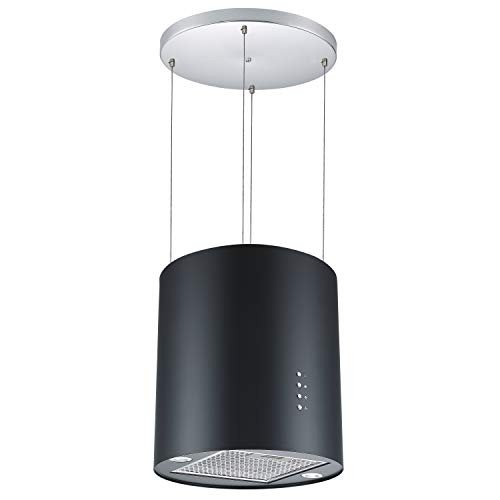
Secret Features:
- Space-Saving Design: Hob extractors are usually more compact than traditional hoods, making them an exceptional choice for smaller sized kitchens or spaces where ceiling height might be limited.
- Visual Appeal: Available in various styles and surfaces, hob extractors can complement modern kitchen styles effortlessly.
- Effective Performance: With powerful fans, these gadgets effectively get rid of smells and smoke, adding to a much healthier cooking environment.
Types of Hob Extractors
Hob extractors can be found in different setups to suit various kitchen setups and choices. Below is a summary of the primary types:
| Type | Description | Pros | Cons |
|---|---|---|---|
| Integrated Hob | Built straight into the cooking surface | Streamlined style, conserves space | Complex installation |
| Wall-Mounted | Mounted on a kitchen wall above the hob | Powerful ventilation | Takes up wall space |
| Ceiling-Mounted | Suspended from the ceiling directly over the hob | Efficient for large areas | Needs higher ceilings, installation might be tricky |
| Downdraft Extractor | Pop-up extractor that rises when in use | Minimal visual effect | Minimal air flow compared to conventional Cooker Hoods Uk |
Advantages of Hob Extractors
Hob extractors supply numerous advantages that enhance both functionality and looks in the kitchen. Some of the notable benefits include:
- Improved Air Quality: By successfully getting rid of cooking fumes, hob extractors assist keep better air quality, which is especially necessary for those with allergies or respiratory issues.
- Minimized Heat: They help to reduce heat accumulation in the kitchen, making the cooking experience more comfy.
- Area Efficiency: Their compact style is perfect for small kitchens or systems where overhead space is restricted.
- Cleaner Kitchen: By extracting smoke and odors directly at the source, hob extractors lower oily buildup on walls and cabinets.
- Versatile Installation: Many models are versatile for various configurations of kitchens, making them appropriate for any setup.
Installation Considerations
When thinking about a hob extractor for your kitchen, it's necessary to take the list below aspects into account:
- Size and Type of Hob: Ensure that the extractor matches the size and kind of your hob for optimum efficiency.
- Kitchen Layout: The style and space of the kitchen will determine the type of hob extractor that can be set up.
- Ducting Needs: Some designs require ducting to vent air outside, while others can operate in recirculating mode, which requires no exterior duct.
- Electrical and Plumbing Requirements: Consulting experts for electrical and possibly pipes requirements is advisable to prevent setup difficulties.
- Maintenance Access: Ensure that the Cooker Hood Extractor is located where it's simple to access for cleaning and upkeep.
Maintenance of Hob Extractors
Regular upkeep makes sure that hob extractors continue to work efficiently and effectively. Here are some vital ideas to follow:
- Cleaning the Filters: Depending on the design, filters may require to be washed regular monthly or changed periodically. Use warm soapy water or a dishwashing machine for washable filters.
- Cleaning the Surface: Regularly tidy the surface area of the extractor using appropriate cleansing services to get rid of grease and gunk.
- Inspecting for Blockages: Routinely inspect the ducting or air vent for any obstructions that might impede air flow.
- Professional Servicing: Schedule yearly maintenance with an expert to guarantee that all components remain in excellent working order.
FAQs About Hob Extractors
1. How do hob extractors differ from traditional range hoods?
Hob extractors are designed to offer ventilation straight at the cooking surface, while traditional range hoods typically hang overhead. This makes hob extractors better for modern kitchens where design and space are considerations.
2. Can I set up a hob extractor myself?
While some useful individuals may try a DIY setup, it's recommended to have an expert do it due to the intricacies included, particularly concerning electrical connections and fitting.
3. Are hob extractors loud?
Sound levels can vary considerably amongst models. Many premium hob extractors are developed to run silently; inspecting specs before purchase can help in picking a quieter alternative.
4. How frequently should I clean my hob extractor?
It's a good idea to clean up the filters month-to-month and the outside surfaces as required to maintain ideal performance.
5. Can hob extractors work without ducting?
Yes, some hob extractors can operate in a recirculating mode utilizing charcoal filters to clean air before returning it to the kitchen, eliminating the need for ducting.
The hob Island Extractor Fans is a vital addition to any modern kitchen, merging functionality with design. With a range of styles and types offered, house owners can find an option that fits their cooking practices and kitchen looks. Comprehending the benefits, setup considerations, and maintenance requirements of hob extractors empowers customers to make educated decisions, making sure that their kitchens stay tidy and comfy spaces for cooking experiences. Similar to any kitchen home appliance, investing time into understanding the item will cause a more satisfying and efficient cooking experience.












