

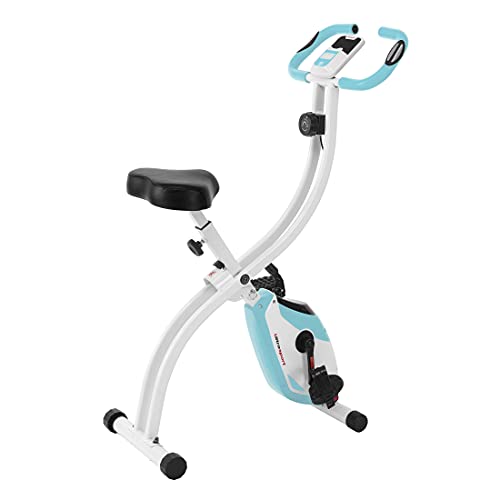
The Exercise Cycle: Understanding Its Benefits and Best Practices
Introduction
In an age where inactive lifestyles have ended up being significantly widespread, the importance of fitness can not be overstated. An exercise cycle, or stationary cycle for exercise bicycle home exercise bike exercise (just click the next web site), has actually become a popular and effective service for people aiming to enhance their cardiovascular health, enhance their fitness levels, or merely include regular exercises into their everyday routines. This short article explores the various benefits of an exercise cycle, ideal use tips, safety precautions, and answers often asked concerns.
What is an Exercise Cycle?
An exercise cycle is a stationary fitness machine created to mimic biking motions. It allows people to participate in cardiovascular exercises without needing the area or conditions of outdoor biking. With adjustable resistance levels and numerous built-in workout programs, exercise cycles can deal with a large range of fitness levels, making them accessible to both beginners and skilled athletes.
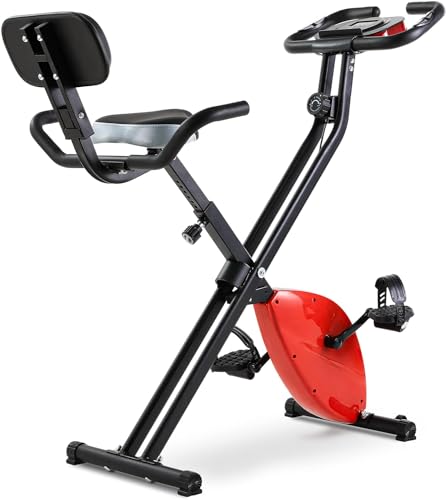
Kinds Of Exercise Cycles
| Type | Description |
|---|---|
| Upright Cycle | Simulates the position of a conventional roadway bike; encourages an active biking posture. |
| Recumbent Cycle | Features a bigger seat with back assistance; ideal for those seeking convenience during workouts. |
| Indoor Spin Bike | Designed for high-intensity period training (HIIT) and group cycling classes; usually lightweight. |
| Folding Cycle | Compact and portable; folds up for easy storage, making it an exceptional choice for small spaces. |
Advantages of Using an Exercise Cycle
1. Cardiovascular Health
Taking part in regular biking can significantly enhance cardiovascular health. According to the American Heart Association, aerobic exercise, like cycling, helps to decrease blood pressure, decrease cholesterol levels, and can even reduce the danger of stroke.
2. Weight Management
Exercising on an exercise cycle can contribute to weight-loss and management. Depending on one's effort and strength, people can burn a substantial number of calories. Here's a rough estimate of calories burned throughout a 30-minute cycling session based on different intensities:
| Intensity Level | Calories Burned (30 minutes) |
|---|---|
| Low-intensity | 200-300 |
| Moderate-intensity | 300-400 |
| High-intensity | 400-600 |
3. Low Impact Exercise
Among the significant advantages of biking is that it supplies a low-impact alternative to high-impact sports. This is particularly helpful for individuals with joint problems or those recuperating from injuries, allowing them to construct strength and endurance without excessive tension on the body.
4. Convenience
An exercise cycle provides the benefit of exercising in your home, getting rid of barriers such as bad weather or commute times. Moreover, contemporary bikes frequently include features like digital screens and workout tracking, boosting the total exercising experience.
5. Mental Health Benefits
Exercise in any type has been shown to have positive impacts on mental health. Biking can decrease tension, anxiety, and anxiety by launching endorphins-- vitamin D, enhanced sleep, and increased energy levels can even more improve well-being.
Best Practices for Using an Exercise Cycle
To take full advantage of the benefits of an exercise cycle, here are some best practices:
1. Adjust the Bike Properly
- Seat Height: Adjust the seat so that your leg is somewhat bent when the pedal exerciser is at its floor.
- Handlebar Position: Ensure the handlebars are at a comfortable height to avoid stress.
2. Warm-Up and Cool Down
- Spend 5-10 minutes heating up with low resistance and gradually increasing strength.
- Follow exercises with a cool-down duration featuring light biking and extends to promote flexibility.
3. Integrate Interval Training
- Alternate in between high-intensity bursts and lower intensity for recovery. This can boost cardiovascular fitness and increase calorie burn.
4. Screen Your Heart Rate
- Use a heart rate screen to make sure exercises stay within target heart rate zones for optimum cardiovascular advantages.
5. Stay Hydrated
- Keep a water bottle within reach and beverage water regularly throughout your exercise bikes to keep hydration.
Security Precautions
While exercise cycles are generally safe, it's vital to follow these precautions:
- Ensure the bike is on a flat, steady surface to prevent accidents.
- Avoid distractions; focus on your exercise rather than seeing television or having open conversations.
- If you feel discomfort (beyond typical tiredness), stop your exercise and examine any pain.
Frequently Asked Questions (FAQs)
1. How long should I ride an exercise cycle for effective exercises?
For basic fitness, objective for at least 150 minutes of moderate-intensity aerobic exercise weekly, which equates to about 30 minutes a day on the majority of days.
2. Can novices use an exercise cycle?
Yes! Exercise cycles are ideal for all fitness levels. Novices must start at a comfy resistance and slowly increase intensity as they end up being more accustomed.
3. Is it necessary to wear unique shoes for cycling?
While unique cycling shoes might enhance efficiency, routine athletic shoes can be perfectly appropriate for casual biking workouts.
4. How typically should I use my exercise cycle?
For optimal outcomes, it's suggested to include biking workouts in your weekly fitness routine 3-5 times a week.
The exercise cycle supplies a flexible and reliable option for those looking for to improve their physical conditioning and overall health. With its myriad benefits-- from improving cardiovascular fitness to supporting psychological health-- it's not a surprise that numerous people have welcomed this form of exercise. By following best practices and security standards, anyone can benefit from integrating an exercise cycle into their fitness program, making every pedal a step towards a much healthier lifestyle.












