

The Non-Electric Walking Pad: A Step Towards Health and Sustainability
In a world significantly dominated by electric gizmos, the non-electric walking pad stands apart as a beacon of simplicity and efficiency. This innovative fitness option not just gets your body moving but likewise lines up with environment-friendly practices. In this blog site post, we will explore what non-electric walking pads are, their benefits over standard electric treadmills, and how they can seamlessly suit your way of life.
Comprehending the Non-Electric Walking Pad
A non-electric walking pad is a manually run exercise device designed for walking or light jogging. Unlike electric treadmills, these pads rely on the user's motion to power the machine's belt. This development provides a distinct method to integrate cardio workouts into everyday regimens without needing electrical power or complex innovation.
Secret Features
| Function | Non-Electric Walking Pad | Electric Treadmill |
|---|---|---|
| Source of power | Manual Walking Pad (carollheither.Top) (user-powered) | Electric |
| Area Requirement | Compact and lightweight | Typically bulky and heavy |
| Sound Level | Silent | Can be loud |
| Sustainability | Environmentally friendly | Requires electricity |
| Maintenance | Low maintenance | Greater upkeep cost |
| Cost | Typically less costly | Can be expensive |
Benefits of Non-Electric Walking Pads
As customers become more health and environmentally mindful, non-electric walking pads have actually grown in appeal. Here are a few of the essential advantages:
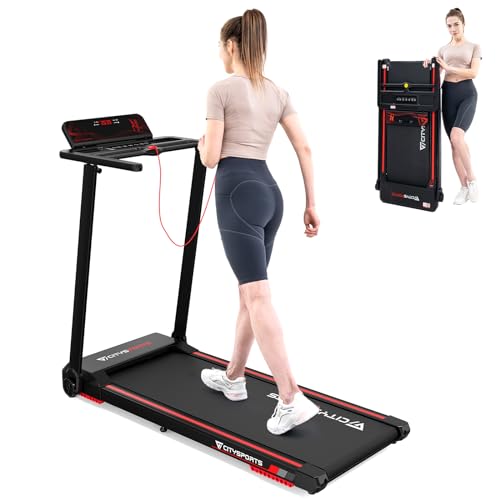
Sustainability: With no reliance on electricity, non-electric walking pads lower carbon footprints and align with eco-friendly practices. They attract those seeking to lead a greener way of life.
Affordability: Generally, non-electric walking pads are more economical than their electric equivalents. The lack of electronic components decreases manufacturing costs, making these pads available for a more comprehensive audience.
Compact Design: Most non-electric walking pads are created to be light-weight and foldable, making them simple to store when not in usage. This is especially advantageous for individuals living in small areas.
Peaceful Operation: Since they run silently, these pads are an outstanding choice for apartment or condos and shared living arrangements. Users can maintain their exercise routine without troubling others.

Low Maintenance: With fewer moving parts, non-electric walking pads require less upkeep compared to electric treadmills. Simply keep them clean and store them in a dry area to extend their life-span.
Health Benefits: Manual walking pads motivate users to engage actively with their workout. This can lead to improved balance, coordination, and a better connection to body language.
How to Integrate a Non-Electric Walking Pad into Your Routine
Including a non-electric walking pad into your everyday regimen can be simple and rewarding. Here are some pointers:
Set a Schedule: Designate particular times for walking. Treat it like any other consultation.
Create a Designated Space: Find a comfy location in your house where you can use the walking pad without diversions.
Integrate with Other Activities: Consider using the walking pad while enjoying television, reading, or listening to podcasts.
Start Slow: For newbies, start with short sessions and gradually increase the intensity and duration as you become more comfy.
Regularly Asked Questions (FAQ)
1. How does a non-electric walking pad work?
Non-electric walking pads deal with a basic system where the user's motion powers the belt. As you walk, the surface moves under your feet, allowing for a fluid walking experience.
2. Are non-electric walking pads suitable for everyone?
Yes, a lot of non-electric walking pads are developed to accommodate numerous physical fitness levels. Nevertheless, individuals with mobility problems should speak with a health care professional before starting any brand-new workout regimen.
3. Do non-electric walking pads have weight limitations?
Yes, constantly inspect the manufacturer's specifications for weight limitations. The majority of designs can support a large range of users, but it's important to guarantee they can accommodate your weight for safety factors.
4. Can I work on a non-electric walking pad?
Although mostly designed for walking, some users may discover that they can quickly jog on specific non-electric walking pads. However, it's best to check the specific model's style and weight limit for security.
5. How do I tidy and maintain a non-electric walking pad?
Regularly clean down the surface to remove dirt and sweat. Shop it in a dry location and avoid exposing it to moisture to prevent rust and wear.
Integrating a non-electric walking pad into your physical fitness regimen can be an easy yet reliable way to remain active while promoting sustainability. With their myriad benefits-- price, low upkeep, density, and eco-friendliness-- these walking pads are an exceptional alternative to traditional electric treadmills. Whether for companionship while seeing your favorite show or as a standalone exercise, they supply an uncomplicated way to improve your health.
Now is the time to take that action forward-- actually! Check out the many alternatives available and find the best non-electric walking pad that aligns with your lifestyle and wellness objectives. Keep in mind, every step counts!












