

The Manual Treadmill: A Comprehensive Guide to Your Fitness Journey
Worldwide of physical fitness devices, treadmills stand out as one of the most popular choices for people seeking to improve their cardiovascular health and general fitness. Amongst the various kinds of treadmills readily available on the market, manual treadmills often get overshadowed by their electric counterparts. Nevertheless, these basic yet effective devices offer distinct benefits that can enhance your workout experience. This post delves into the features, advantages, and considerations of manual treadmills, and why they might be the right option for your physical fitness objectives.

What is a Manual Treadmill?
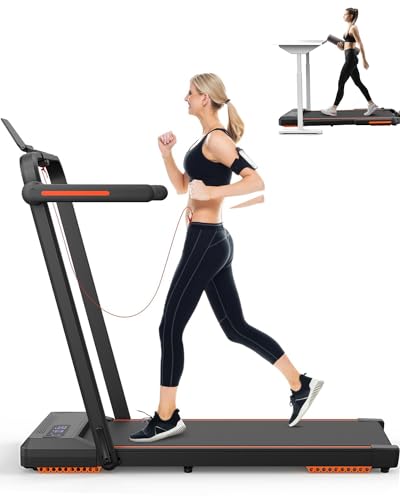
A manual treadmill, as the name suggests, is a treadmill that does not require electricity to operate. Instead, it counts on the user's effort to move the running belt. This style often results in a more tough exercise, as users need to put in more energy to move the belt forward. Manual treadmills been available in numerous kinds, from fundamental models with minimal functions to innovative variations with digital display screens and adjustable slopes.
Key Features of Manual Treadmills
| Feature | Description |
|---|---|
| Design | Lightweight, compact, and often foldable for easy storage. |
| Resistance Levels | Many come with adjustable resistance settings to increase workout strength. |
| Slope Settings | Some models permit users to adjust the slope, imitating uphill running. |
| Display Monitor | Standard models might consist of a basic display for tracking time, distance, and calories burned. |
| Material | Normally built from durable, light-weight products for durability and mobility. |
Benefits of Manual Treadmills
Manual treadmills provide several benefits that make them attracting fitness enthusiasts of all levels. Below are some crucial advantages:
1. Cost-Effective
Manual treadmills are typically more budget-friendly than electric models. This makes them a fantastic choice for people who wish to integrate a treadmill into their home fitness center without breaking the bank.
2. Increased Caloric Burn
Because manual treadmills need the user to power the belt, exercises tend to be more extreme. This increased effort can lead to a higher caloric burn compared to using a motorized treadmill.
3. Portability
The majority of manual treadmills are designed to be lightweight and compact. This makes them easy to move and store, making them ideal for those with minimal space.
4. Simplicity
With fewer functions and no need for electrical outlets, manual treadmills are uncomplicated and simple to use. This simplicity can be appealing for novices or those who choose a no-frills exercise.
5. Enhanced Muscular Engagement
Running or walking on a manual treadmill engages more muscle groups, especially the legs and core, due to the need to power the motion. This engagement adds to overall strength and endurance.
Factors to consider When Choosing a Manual Treadmill
While manual treadmills use many benefits, there are likewise some factors to consider to keep in mind:
| Consideration | Description |
|---|---|
| Knowing Curve | Some users might discover manual treadmills challenging to use at first as they change to the effort needed. |
| Minimal Features | Many manual designs do not have sophisticated features like pre-set workout programs or heart rate displays. |
| Sturdiness | Offered the simpler design, some designs might not be as resilient as electric treadmills. |
| Less Versatility | Typically, manual treadmills do not use the very same range of incline settings as electric alternatives. |
How to Get one of the most Out of Your Manual Treadmill
To optimize the benefits of a manual treadmill, think about the following pointers:
- Start Slow: If you're brand-new to using a manual treadmill, start at a consistent pace to get accustomed to the effort needed.
- Include Interval Training: Alternate between high-intensity bursts and moderate-paced walking to optimize caloric burn and improve cardiovascular physical fitness.
- Focus on Form: Maintain appropriate posture and stride to avoid injury and ensure you are engaging the correct muscle groups.
- Change the Incline: If your model supports it, utilize slope settings to mimic hill running and additional obstacle yourself.
FAQs About Manual Treadmills
Q1: Are manual treadmills suitable for newbies?
A1: Yes, manual treadmills can be a great choice for beginners. However, it's important to start slow and slowly increase the intensity of your workouts as you end up being more comfortable.
Q2: How much area do I need for a manual treadmill?
A2: Manual treadmills are generally compact. An area of about 5 feet by 2 feet is normally enough for the majority of designs, but constantly check the maker's requirements.
Q3: Can I utilize a manual treadmill for walking and running?
A3: Absolutely! Manual treadmills are versatile and can accommodate both walking and running exercises, making them appropriate for different fitness levels.
Q4: Do manual treadmills need routine maintenance?
A4: Manual treadmills generally need less upkeep than electric designs, but it's still an excellent concept to occasionally examine for wear and tear, especially on the belt and frame.
Q5: How do I identify the best manual treadmill for my requirements?
A5: Consider aspects such as your fitness level, available space, spending plan, and specific features wanted (like incline settings or resistance levels) when selecting the ideal manual treadmill.
Manual treadmills use an efficient and affordable solution for people wanting to boost their physical fitness regimens. With benefits such as increased calorie burn, mobility, and simpleness, they accommodate buying a treadmill wide variety of users. By weighing the benefits and considerations, potential purchasers can make educated decisions on whether a manual treadmill aligns with their fitness goals. Whether you're looking to stroll, jog, or run, a manual treadmill could be your ticket to accomplishing a much healthier lifestyle-- all from the convenience of your home.












