

The Essential Guide to Kitchen Extractor Fans: Everything You Need to Know
Kitchen extractor fans play a vital role in preserving a clean, safe, and pleasant cooking environment. They assist get rid of smoke, smells, grease, and heat from the kitchen, improving air quality and making cooking a more enjoyable experience. This detailed guide will explore the types, advantages, setup, and maintenance of kitchen extractor fans, along with supply answers to regularly asked questions.
What is a Kitchen Extractor Fan?
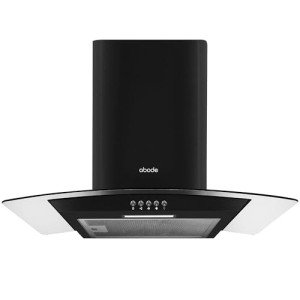
A kitchen Cooker Extractor Hoods fan, typically referred to as a range hood or vent Best Cooker Hood, is an appliance designed to remove air-borne grease, smoke, heat, and odors generated during cooking. By improving ventilation, these fans help avoid the buildup of damaging particulates and keep kitchens comfy and fresh.
Types of Kitchen Extractor Fans
There are different types of kitchen extractor fans, each developed to meet different needs and preferences. Below is a table summing up the most common types:
| Type | Description | Pros | Cons |
|---|---|---|---|
| Wall-mounted | Installed straight on the wall above the stove. | Space-saving and elegant | May require more setup adjustments |
| Under-cabinet | Installed under kitchen cabinets, above the cooking surface area. | Makes use of existing area | Limited in size, might not be as effective |
| Island | Suspended above a kitchen Island Extractor Fans or peninsula. | Perfect for open kitchens and islands | Usually more pricey |
| Downdraft | Retractable fans that rise from the counter top when in use. | Outstanding for modern kitchens | Minimal suction power |
| Ceiling-mounted | Integrated into the ceiling, drawing air far from the cooking location. | Great for areas with high ceilings | Installation can be complicated |
| Mobile/Portable | Freestanding units that can be moved as required. | Flexible and easy to move | Less effective; might not vent outdoors |
Benefits of Kitchen Extractor Fans
Investing in a quality kitchen extractor fan uses several benefits:
- Improves Air Quality: By removing smoke, steam, and odors, these fans ensure the air in your kitchen remains fresh and healthy.
- Minimizes Grease Buildup: Extractor fans record airborne grease, avoiding it from deciding on surfaces and decreasing cleaning time.
- Improves Comfort: By getting rid of heat and steam, extractor fans assist preserve a comfortable cooking environment.
- Increases Kitchen Safety: Reducing wetness levels mitigates the danger of mold development and provides a more secure cooking area.
- Aesthetic Appeal: Many extractor fans come in elegant designs that can boost the overall appearance of your kitchen.
Installation of Kitchen Extractor Fans
Correct setup is essential for the efficient functioning of Kitchen Hood Extractor Fan extractor fans. Here's a fundamental introduction of the installation process.
Step-by-Step Guide to Installation
- Measure the Space: Determine the width of your cooktop and select a fan that fits appropriately.
- Select a Location: For wall-mounted fans, select a place that permits the fan to be at least 24 inches above the stovetop for ideal performance.
- Cut Holes for Ductwork: If venting externally, cut suitable holes for duct setup in walls or ceilings.
- Set Up Mounting Bracket: Follow the manufacturer's standards to secure the mounting bracket to the wall or cabinet.
- Attach the Fan: Fix the fan system to the installing bracket, ensuring it is level and secure.
- Link Ductwork: If venting outside, connect the ductwork to the fan and seal any spaces to prevent air leaks.
- Electrical Connections: For electrical fans, make certain to securely connect electrical wiring according to local codes.
- Check the Fan: Once installed, turn on the fan to evaluate its operation and efficiency.
It's frequently suggested to work with a professional for installation, particularly for more complex setups.
Maintenance of Kitchen Extractor Fans
Regular maintenance is necessary to guarantee the durability and effectiveness of kitchen extractor fans. The following actions lay out essential upkeep practices:
Maintenance Tips
- Tidy the Filters: Most extractor fans have grease filters that ought to be cleaned up routinely. Some are dishwasher-safe, while others may require to be handwashed.
- Examine Ducts: Inspect the external and internal ducts for blockages or buildup. Ensure they are clear and not blocked.
- Wipe Down Surfaces: Regularly tidy the exterior and interior surface areas of the fan to prevent grease build-up.
- Listen for Noises: If the fan starts to make uncommon noises, it might indicate a problem with the motor or blades that may require to be assessed.
- Set Up Professional Servicing: Every few years, think about having a professional service your extractor fan to ensure all components are operating optimally.
FREQUENTLY ASKED QUESTION
1. How do I understand what size extractor fan I need?
The size of the extractor fan should match the width of your cooking surface area. A basic guideline is having at least 600 CFM (cubic feet per minute) for efficient removal of heat and smoke.
2. Can I use an extractor fan without ducting?
Yes, some extractor fans are developed for recirculation, using charcoal filters to clean the air before releasing it back into the kitchen.
3. How often should I clean my extractor fan?
It's recommended to clean up the grease filters every 1-3 months, depending on use, and examine the remainder of the unit every 6 months.
4. Do I need an expert to set up an extractor fan?
While DIY setup is possible, hiring an expert guarantees appropriate placement, protected installation, and compliance with local building codes.
5. What is the life expectancy of a kitchen extractor fan?
With routine upkeep, a well-made extractor fan need to last anywhere from 10 to 15 years.
Kitchen extractor fans are an important home appliance that enhances air quality, comfort, and cleanliness in the cooking space. Comprehending the different types, benefits, and upkeep requirements can assist homeowners make notified decisions. Whether planning to remodel or update an existing kitchen, buying a quality extractor fan can considerably improve not simply the cooking experience, but general kitchen environment too. Ultimately, selecting the ideal extractor fan needs a thoughtful consideration of space, style, and functionality customized to private requirements.












