

Windows and Doors Replacement: A Comprehensive Guide
Changing windows and doors is one of the most impactful home improvement tasks a house owner can carry out. Not just can it improve the visual appeal of a home, but it also uses substantial advantages in terms of energy performance, security, and home value. This post will look into the numerous aspects of window and door replacement, providing property owners with important information to make educated choices about their tasks.
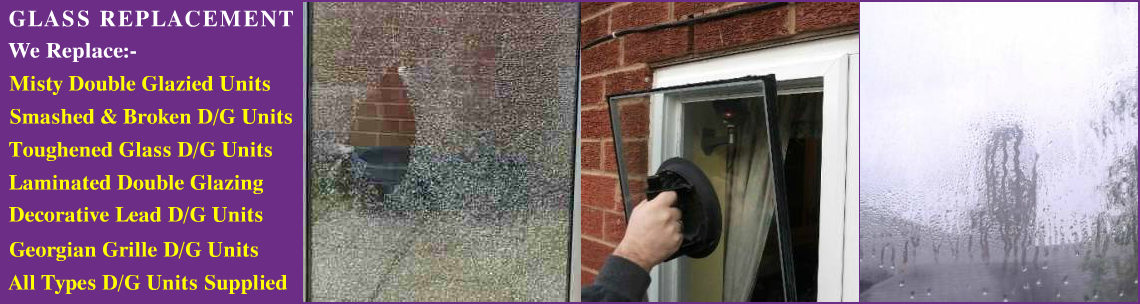
Why Replace Windows and Doors?
Energy Efficiency: Among the primary reasons homeowners go with window and door replacements is the energy-saving potential. Old, drafty systems can considerably increase heating & cooling costs, while brand-new designs can enhance insulation and minimize energy bills.
Enhanced Security: Upgrading to modern windows and doors typically suggests investing in better locking systems and materials, boosting the total security of the home.
Looks: New doors and windows can change the outside look of a house, making it more attractive and possibly increasing its market price.
Sound Reduction: Good quality windows and doors provide sound insulation, making homes quieter and more tranquil.
Maintenance: Older doors and windows might need regular repairs. Newer materials can minimize maintenance needs and use longevity.
Kinds of Windows and Doors
Understanding the different kinds of windows and doors readily available helps house owners make informed choices.
Windows
Double-Hung Windows: Feature 2 sashes that slide vertically. They enable outstanding ventilation and are simple to tidy.
Sash Windows: Hinged at the side, these windows open outward for optimum air flow and terrific presence.
Awning Windows: Hinged at the top, these open outward and are typically used in combination with larger stationary windows.
Single-Hung Windows: Similar to double-hung but with just the bottom sash operable.
Moving Windows: Feature panels that slide open horizontally and work well in locations with restricted space.
Doors
Entry Doors: These are the primary entryways to a home and can substantially impact curb appeal. They are available in different materials, including fiberglass, steel, and wood.
Outdoor patio Doors: Available as moving or hinged, these doors produce a seamless transition between indoor and outdoor spaces.
French Doors: Double doors that open inward or external, bringing in light and elegance.

Storm Doors: Installed outside entry doors to offer extra insulation and protection against the aspects.
Garage Doors: Available in many styles and products, they can enhance both functionality and look.
Table: Comparison of Common Window and Door Materials
| Product | Durability | Maintenance | Energy Efficiency | Visual Options |
|---|---|---|---|---|
| Wood | High | Medium | Medium | High |
| Vinyl | Medium | Low | High | Medium |
| Aluminum | High | Medium | Medium | Medium |
| Fiberglass | High | Low | High | High |
| Steel | High | Medium | Medium | Low |
Actions for Replacement
Assessment: Evaluate the existing doors and windows; take note of style, size, condition, and performance.
Budgeting: Establish a budget plan. Costs can differ based on products and labor. Make certain to factor in extra expenses like permits or disposal costs.
Choosing Materials: Based on aesthetic choices and energy effectiveness goals.
Working with Professionals: Unless the property owner has experience, it's typically sensible to work with licensed and skilled professionals for installation.
Installation Process: Installation generally includes eliminating old units, preparing the openings, and properly sealing brand-new ones.
Inspection: After installation, the homeowner needs to examine to make sure everything is working properly and fulfills regional structure codes.
Frequently asked questions about Windows and Doors Replacement
Q1: How often should I replace windows and doors?A1: Generally, doors and windows must last between 20 to 25 years, but this can vary based on materials, maintenance, and ecological elements. Q2: Do I need a license for window and door replacement?A2: Permits might be required, depending on local building regulations. It's necessary to needs, check out various products and styles, and consider working with experts for the installation. By understanding the steps included and the advantages that brand-new doors and windows can use, homeowners can make informed choices and enjoy their upgrades for many years to come.
talk to local authorities before starting the job. Q3: What is the typical cost for window and door replacement?A3: Costs can vary commonly based upon materials, labor,and particular job requirements. Typically, property owners can expect to pay in between ₤ 300 to ₤ 1,500 per window repairman (for beginners) and between ₤ 500 to ₤ 3,000 per door. Q4: How can I guarantee my new windows and doors are energy efficient?A4: Look for systems with ENERGY STAR ® scores and consider additional features such as double or triple-glazing, low-E glass, and insulated frames. Replacing doors and windows is a considerable financial investment that not just boosts the function and appeal of a home but can also enhance energy efficiency and security. House owners must take the time to evaluate their












