The Essential Guide to Kitchen Chimney Hoods: Everything You Need to Know
In every modern kitchen, the significance of quality ventilation can not be overstated. A kitchen chimney hood, frequently referred to as a range hood or exhaust hood, plays a crucial role in maintaining air quality and aesthetics while cooking. As cooking can produce smoke, odors, and moisture, having a reliable chimney hood is necessary for any culinary area. This blog post will explore different aspects of kitchen chimney hoods, consisting of types, benefits, setup factors to consider, and frequently asked concerns.
What is a Kitchen Chimney Hood?
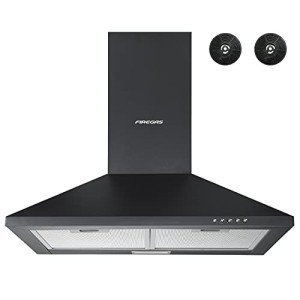
A kitchen chimney hood is a home appliance mounted above the cooking range or stove. It removes smoke, steam, grease, and odors from the kitchen air through a filtration system and, depending on the type, either tires it outdoors or recirculates it back into the kitchen after filtration.
Table 1: Main Components of Kitchen Chimney Hoods
| Component | Description |
|---|---|
| Hood Shell | The external structure that confines the internal elements |
| Filter | Records grease and particles; can be recyclable or non reusable |
| Fan | Relocations air through the hood and filters |
| Ducting | Channels air outside or inside, depending on the type |
| Control Panel | Operates the fan speed and light settings |
Types of Kitchen Chimney Hoods
When selecting a kitchen chimney hood, it is vital to understand the different types readily available, as they can affect performance and design.
1. Wall-Mounted Hoods
These hoods are repaired to the wall above the stove and are a typical choice for conventional kitchens.
2. Under-Cabinet Hoods
These units are installed beneath kitchen cabinets, suitable for kitchens where space is restricted.
3. Island Hoods
Designed for kitchens with a main island, these hoods hang from the ceiling above the cooking surface area.
4. Downdraft Hoods
These discreet hoods increase only when in usage and are perfect for kitchens seeking a modern visual without bulkiness.
5. Expert Hoods
Constructed for serious home cooks, expert hoods use high power and resilience, catering to extensive cooking needs.
Table 2: Comparison of Kitchen Chimney Hoods
| Type | Setup Location | Aesthetic Appeal | Power Level | Best For |
|---|---|---|---|---|
| Wall-Mounted | Wall above the stove | Conventional | Moderate to High | Basic kitchens |
| Under-Cabinet | Underneath cabinets | Minimalist | Moderate | Small kitchens |
| Island | Ceiling above island | Open concept | High | Big kitchens with island setup |
| Downdraft | Installed within counter | Streamlined | Variable | Modern, space-saving designs |
| Professional | Wall or ceiling installed | Industrial | Extremely High | Heavy cooks and professional chefs |
Benefits of Installing a Kitchen Chimney Hood
Purchasing a kitchen chimney hood uses several compelling benefits:
1. Improved Air Quality
A chimney hood successfully removes smoke, odors, and contaminants, causing fresher air and a much healthier cooking environment.
2. Decreased Grease Accumulation
By filtering out airborne grease, these hoods help keep kitchen surface areas cleaner, minimizing the frequency of deep cleaning.
3. Boosted Cooking Experience
With much better air flow and decreased humidity levels, cooking becomes more comfy and satisfying.
4. Aesthetic Enhancement
Chimney hoods are readily available in various designs and finishes, adding both design and functionality to the kitchen area.
5. Increased Home Value
A well-ventilated kitchen geared up with a quality chimney hood can be an appealing selling point, possibly increasing home value.
Setup Considerations
When preparing to install a kitchen chimney hood, several aspects must be considered:
1. Size and Capacity
Pick a hood that matches the size of the cooking range. The hood must ideally be 3 to 6 inches larger than the cooktop on each side.
2. Ventilation Type
Choose between ducted and ductless systems. Ducted hoods expel air exterior, while ductless models filter and recirculate the air.
3. Installation Height
The height at which the hood is installed is crucial. Generally, it ought to be installed 24 to 30 inches above the cooktop for optimum performance.
4. Noise Level
Look for the sound level ranking (measured in sones or decibels) to guarantee that the hood operates quietly, specifically throughout extended cooking sessions.
5. Maintenance Needs
Figure out how simple it is to clean the filters and the exterior, as regular upkeep is vital for lasting performance.
Often Asked Questions (FAQ)
1. How frequently should I clean up the filter?
It is suggested to clean up the filters every 1 to 3 months, depending on use. Grease-laden filters can lower efficiency.
2. Can I install a chimney hood myself?
While DIY installation is possible for helpful individuals, professional setup is advised to guarantee proper function and safety.
3. Do I require a chimney hood if I have a gas stove?
Yes, a chimney hood is essential for gas ranges to effectively eliminate combustion gases and improve air quality.
4. What is the ideal CFM (Cubic Feet per Minute) ranking for my hood?
A basic guideline of thumb is to select a hood with CFM ratings of 100 for each linear foot of cooktop. For instance, a 30-inch cooktop needs a minimum of 300 CFM.
5. Are chimney hoods energy-efficient?
Many modern models are developed with energy efficiency in mind; look for hoods with LED lights and variable speed motors to maximize energy cost savings.
A kitchen chimney hood is an indispensable investment for any cooking enthusiast or house owner. Not just does it improve air quality and decrease grease build-up, however it likewise includes design to the kitchen. With different types readily available, comprehending their functionalities and benefits can help one make an informed choice. Eventually, choosing the right chimney hood can transform your cooking experience into a delightful one, creating a welcoming environment for both chefs and visitors.