

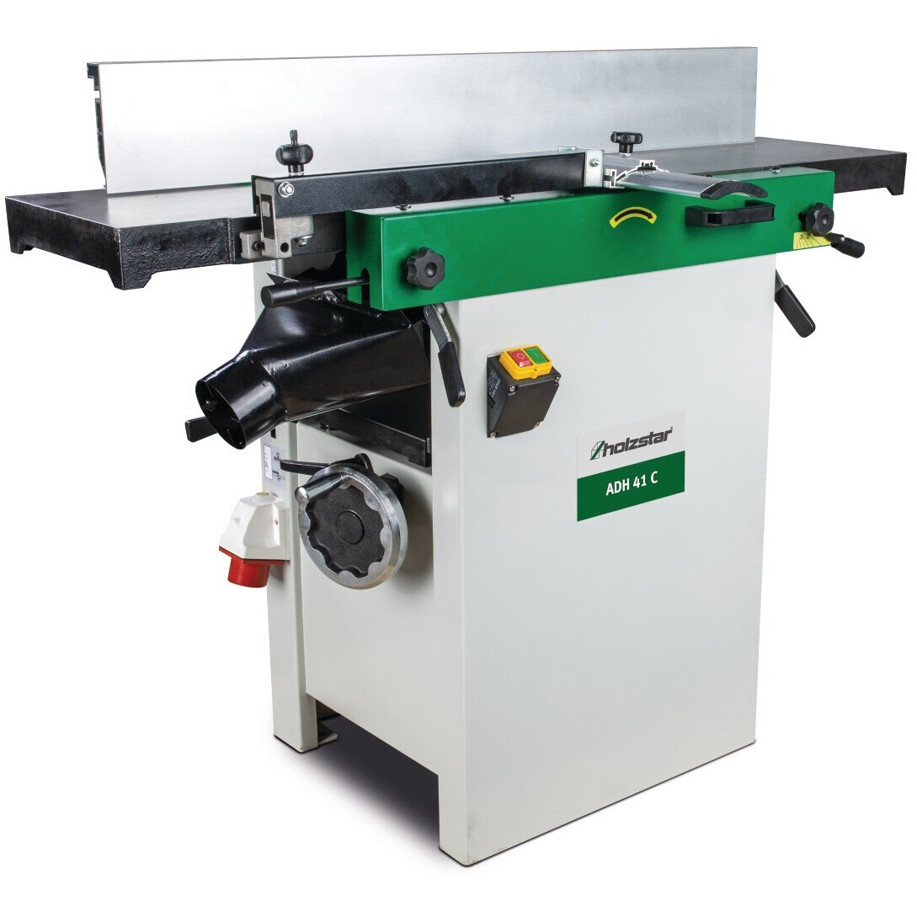
Understanding Machine Set: A Comprehensive Guide
In the rapidly developing landscape of innovation, the concept of a "machine set" plays an integral function, Akku-Werkzeuge especially in industries such as production, technology advancement, and automation. A machine set refers to a collaborated collection of machines, tools, Akku Für Maschinenset or mechanisms that interact to accomplish specific jobs. This article aims to supply a useful introduction of machine sets, their applications, elements, advantages, and Akku-Werkzeugset Online Kaufen) common challenges.
What is a Machine Set?
A machine set encompasses different equipment and tools that are created to carry out a predetermined set of functions in a synchronized manner. These sets can range from basic setups of portable tools to complicated systems integrated with robotics and synthetic intelligence. They are common in industries such as automobile production, aerospace, and electronic devices.
Table 1: Applications of Machine Sets
| Market | Applications |
|---|---|
| Manufacturing | Assembly lines, machining operations |
| Food Processing | Product packaging, cooking equipment |
| Textiles | Looms, sewing devices |
| Electronics | PCB production, testing equipment |
| Building | Heavy machinery, mixing equipment |
Elements of a Machine Set
The functionality of a machine set is specified by its parts. While the particular elements may differ depending on the market and application, numerous basic aspects prevail throughout machine sets.
Table 2: Common Components of a Machine Set
| Component | Description |
|---|---|
| Makers | The primary components that perform specific tasks |
| Sensors | Gadgets that gather information (e.g., temperature, pressure) |
| Actuators | Systems that move or manage a system or a device |
| Controllers | Units that process information and send commands to makers |
| Software | Programs that manage machine operations and process information |
| Power Supply | Energy sources to run makers (e.g., electric, hydraulic) |
Benefits of Using Machine Sets
Machine sets offer a broad array of benefits that make them a favored choice throughout multiple sectors. Here are some popular benefits:
1. Boosted Efficiency
By automating processes, machine sets lower human intervention, leading to increased speed and consistency in operations.
2. Cost-Effectiveness
Although initial financial investment may be high, Akku-Maschine (39.100.39.50) machine sets considerably lower operational expenses in the long run due to effectiveness gains and decreased labor expenses.
3. Enhanced Quality
With exact control and uniform production procedures, machine sets often yield products with very little problems, improving overall quality.
4. Flexibility
Numerous machine sets can be reconfigured or configured to handle different jobs, permitting versatility to altering production demands.
5. Data-Driven Insights
Equipped with sensing units, machine sets can collect valuable information, facilitating predictive maintenance and much better decision-making.
Table 3: Benefits of Machine Sets
| Advantage | Description |
|---|---|
| Enhanced Efficiency | Increased production speed and consistent output |
| Cost-Effectiveness | Reduction in long-lasting functional expenses |
| Improved Quality | Constant item quality with less problems |
| Flexibility | Ability to adjust to various tasks |
| Data-Driven Insights | Belongings data collection for upkeep and technique |
Obstacles in Implementing Machine Sets
Although the advantages are compelling, there are noteworthy difficulties associated with implementing machine sets. Understanding these can assist organizations browse prospective pitfalls.
1. Initial Investment
The cost of integrating innovative machinery and technology might deter some organizations.
2. Training and Knowledge
Workers might need substantial training to operate and keep innovative machine sets.
3. Maintenance and Downtime
Regular upkeep is crucial to make sure optimal efficiency. Any downtime can have considerable monetary consequences.
4. Integration with Legacy Systems
Modern machine sets might not flawlessly incorporate with existing machinery, needing additional financial investment and time.
5. Adaptability to Technological Changes
The rapid speed of technological development means that services may need to regularly update or replace their machine sets, Akku-WerkstattzubehöR Kaufen causing extra costs.
Table 4: Challenges in Implementing Machine Sets
| Obstacle | Description |
|---|---|
| Preliminary Investment | High in advance costs for brand-new technology |
| Training and Akku-Maschinen Kaufen Knowledge | Time and resources required for employee training |
| Upkeep and Downtime | Possible loss of production throughout maintenance |
| Integration with Legacy | Compatibility problems with existing machinery |
| Adaptability to Technology | Equaling fast technological advancements |
Regularly Asked Questions (FAQs)
Q1: What markets benefit the most from machine sets?
Machine sets are extremely helpful across numerous markets, especially making, food processing, and electronics due to their performance, quality assurance, and data abilities.
Q2: How do machine sets improve item quality?
Machine sets enhance quality by reducing human error, producing standardized processes, and utilizing advanced sensors and actuators to maintain precision in production.
Q3: Can machine sets be tailored?
Yes, numerous machine sets can be customized or programmed to perform specific operations based upon user requirements or production needs.
Q4: What is the function of software in a machine set?
Software application controls the operations of the machine set, processes information collected from sensors, and enables diagnostics and predictive upkeep.
Q5: What are the future trends in machine sets?
Future trends in machine sets might consist of increased integration of synthetic intelligence, the development of smarter sensing units for much better information collection, and improved automation to enhance performance and flexibility.
In summary, machine sets are important components of contemporary industrial processes, offering a variety of advantages such as performance, cost-effectiveness, and quality enhancement. Nevertheless, prospective obstacles such as initial investment expenses and training requirements require to be dealt with for effective implementation. By comprehending the parts and operations of machine sets and navigating the obstacles successfully, organizations can harness the complete capacity of this effective technological advancement. As markets continue to develop, welcoming machine sets will unquestionably stay important to sustaining performance and competitiveness.












