

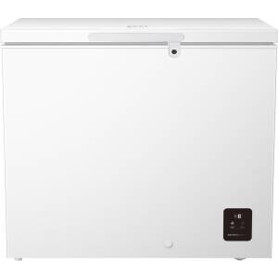
The Comprehensive Guide to Energy-Efficient Chest Freezers
In a period where energy efficiency is becoming significantly essential, chest freezers have actually emerged as a versatile and environmentally friendly choice for families and businesses alike. Not only do they supply adequate storage for frozen goods, but an energy-efficient model can likewise substantially lower electricity bills, make a favorable ecological effect, and improve food conservation. This post digs into the key features of energy-efficient chest freezers, provides valuable contrasts, and answers regularly asked concerns to assist you make an informed decision.
Why Choose an Energy-Efficient Chest Freezer?
Energy-efficient chest freezers are designed to reduce power usage, consequently minimizing your carbon footprint and conserving you cash on electricity expenses. Here are some factors to think about purchasing energy-efficient alternatives:
Cost Savings: Lower energy usage indicates minimized electricity costs, causing substantial cost savings over the life expectancy of the device.
Environmental Impact: Reducing energy use reduces greenhouse gas emissions, making it a more accountable choice for eco-conscious consumers.
Food Preservation: The temperature stability in chest freezers enables better food conservation compared to less effective models or standard upright freezers.
Versatility: These freezers are perfect for saving bulk purchases, meal preparation, and seasonal food items, making them excellent for large families or small organizations.
Secret Features of Energy-Efficient Chest Freezers
When searching for an energy-efficient chest freezer, think about the following features:
| Feature | Description |
|---|---|
| Energy Star Certification | Makes sure that the freezer satisfies rigorous energy efficiency standards set by the U.S. Environmental Protection Agency. |
| Insulation | Premium insulation maintains cold air, enabling the freezer to maintain temperature without continuous energy draw. |
| Size | Smaller sized models usually consume less energy; however, consider your storage needs when choosing a size. |
| Temperature Control | Adjustable thermostats allow users to set ideal keeping temperature levels, helping decrease energy usage. |
| Place of the Compressor | Bottom-mounted compressors are typically more energy-efficient than top-mounted designs. |
Energy Consumption Comparison
To assist you examine energy-efficient options, we have actually provided a comparison of various models based on their annual energy consumption.
| Model Name | Volume (cu. ft.) | Annual Energy Consumption (kWh) | Estimated Annual Cost (₤) |
|---|---|---|---|
| Model A (Energy Star) | 5.0 | 200 | ₤ 24 |
| Design B (Energy Efficient) | 7.0 | 250 | ₤ 30 |
| Design C (Standard) | 5.0 | 350 | ₤ 42 |
| Design D (High Efficiency) | 10.0 | 400 | ₤ 48 |
Note: The approximated yearly expense is determined based upon an average electricity rate of ₤ 0.12 per kWh, which may differ by area.
Advantages Beyond Efficiency
In addition to energy savings, there are different other advantages to owning a chest freezer:
- Flexibility: Freezing large amounts of food can help conserve cash in the long run.
- Emergency Preparedness: Having a freezer filled with food can be a lifesaver throughout emergency situations or natural disasters.
- Convenience: These units can save bulk meats, KüHl-Gefrier-Kombination 70 Cm Breit vegetables, and pre-prepared meals, decreasing the requirement for frequent journeys to the grocery store.
Tips for Maximizing Efficiency
Here are several ideas to consider when using an energy-efficient chest freezer:
- Keep It Full: A complete freezer keeps cold better than an empty one. Usage ice loads or containers filled with water to fill void.
- Avoid Frequent Opening: Minimize the variety of times you open the cover to maintain constant temperature level.
- Position Wisely: Place the freezer in a cool place away from heat sources like ovens or direct sunshine to improve efficiency.
- Routine Maintenance: Clean the coils and examine door seals regularly to make sure optimal functioning.
- Display Temperature: Keep a thermometer inside to ensure the temperature is consistently at or below 0 ° F(-18 ° C)
. Often Asked Questions (FAQs)
What size chest freezer do I need?
The size of the freezer will mainly depend upon your household needs. A general guideline is that you ought to assign 1 cubic foot of area per individual in your household. For instance, a family of four may need a freezer with a capability of at least 5-8 cubic feet.
How can I tell if my freezer is energy-efficient?
Try to find the Energy Star label, which shows that the appliance fulfills or goes beyond energy efficiency standards. Additionally, check the specification sheet for the yearly energy intake in kWh.
Are bigger chest freezers more energy-efficient?
Not always. While larger freezers can offer more storage, energy usage depends on lots of elements, such as insulation quality and design. A well-insulated smaller sized model may be more efficient than a larger, improperly insulated model.
For how long can food last in a chest freezer?
Foods stored in a chest freezer can last from numerous months to a year, depending upon the type of food. For best quality, freeze meats, vegetables, and ready meals for approximately 6-12 months, while baked goods can last for about 3-6 months.
Is it much better to buy a new chest freezer or an older model?
Newer models are normally more energy-efficient due to improvements in technology and style. While older designs may have a lower upfront cost, they might result in greater electricity bills in time.
Buying an energy-efficient chest freezer offers numerous benefits, from expense savings to better food storage. By comprehending the essential functions, comparing designs based upon energy usage, and following best practices for maintenance and usage, consumers can make informed choices that benefit both their wallets and the environment. Before buying, consider your particular needs and requirements, and keep in mind to look for those critical energy efficiency labels.












