

Understanding Kitchen Ovens and Hobs: A Comprehensive Guide
The kitchen is typically described as the heart of the home, and for great reason. It is where families come together, meals are prepared, and memories are created. Central to this cooking sanctuary are 2 important appliances: the kitchen oven and the hob. Understanding their features, types, and performances is essential for efficient cooking and can significantly improve a home chef's experience. This short article will explore the world of kitchen ovens and Hobs Uk, examining their numerous types, benefits, and suggestions for making informed options.
Tabulation
- Introduction to Kitchen Ovens
- Kinds of Ovens
- Conventional Ovens
- Convection Ovens
- Microwave Ovens
- Steam Ovens
- Understanding Hobs
- Types of Hobs
- Gas Hobs
- Electric Hobs
- Induction Hobs
- Advantages of Using Ovens and Hobs
- Choosing the Right Oven and Hob for Your Kitchen
- Maintenance Tips for Ovens and Hobs
- FAQs
- Conclusion
1. Intro to Kitchen Ovens
Ovens are vital home appliances in modern kitchen areas. They supply a regulated environment for baking, roasting, and broiling food. With numerous styles and performances, choosing the right oven can significantly impact cooking times, food texture, and flavor.
2. Types of Ovens
Traditional Ovens
Conventional ovens are the most common type discovered in homes. They utilize either electric or gas power to heat up the interior and usually include a single cooking area.
Advantages:
- Versatile for baking, roasting, and broiling.
- Generally cost effective.
Convection Ovens
Stove resemble standard ovens but come equipped with a fan that circulates hot air throughout the cooking chamber. This leads to even cooking and browning.
Advantages:
- Reduced cooking times due to improved airflow.
- Boosted browning and crisping of foods.
Microwave Ovens
Microwave use electromagnetic radiation to heat food quickly, making them convenient for thawing and reheating leftovers.
Advantages:
- Very quickly cooking times.
- Energy efficient.
Steam Ovens
Steam ovens make use of steam to prepare, protecting the moisture and nutrients in food. They are especially popular amongst health-conscious cooks.
Advantages:
- Healthier cooking alternative.
- Maintains minerals and vitamins in food.
3. Comprehending Hobs
Hobs, also called cooktops, are the flat surfaces on which pots and pans are put to prepare food. They can be integrated into kitchen countertops and are available in various styles, fuel types, and designs.
4. Kinds of Hobs
Gas Hobs
Gas hobs utilize gas burners as their heat source, providing instant heat and exact temperature level control.
Benefits:
- Excellent control over cooking heat.
- Normally more affordable to run than electric ones.
Electric Hobs
Electric hobs heat using electric coils or glass surface areas. They might take longer to warm up than gas, but they supply a smooth cooking surface and are simpler to clean.
Benefits:
- Even heat circulation.
- Safe, as there's no open flame.
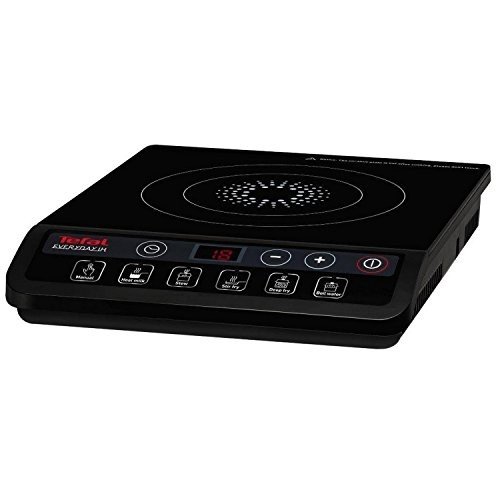
Induction Hobs
Induction hobs utilize electromagnetic energy to directly heat pots and pans. They require suitable pots and pans and deal immediate responsiveness.
Benefits:
- Highly energy-efficient.
- Faster cooking times and exact temperature level control.
5. Advantages of Using Ovens and Hobs
Both ovens and hobs included their own unique set of benefits that can enhance any cooking experience. Here are a couple of key advantages:
- Diverse Cooking Options: Both home appliances permit for a range of cooking methods including boiling, frying, roasting, baking, and steaming.
- Time Efficiency: Modern ovens and hobs frequently include fast cooking settings, which save time in the kitchen.
- Accuracy Cooking: With advanced functions, users can achieve better lead to temperature level control and cooking times.
6. Choosing the Right Oven and Hob for Your Kitchen
When choosing the right oven and hob, various aspects need to be thought about:
- Size: Ensure that the home appliance fits conveniently in your kitchen area.
- Cooking Style: Consider what kinds of food you frequently prepare.
- Fuel Type: Whether gas or electric, consider schedule and efficiency in your area.
- Budget plan: Determine your budget plan and find appliances that satisfy your requirements within that variety.
List for Choosing Your Oven and Hob:
- Assess kitchen space.
- Determine your cooking choices.
- Determine source of power accessibility.
- Compare features and specs.
- Set a budget range.
7. Upkeep Tips for Ovens and Hobs
Routine maintenance is necessary for keeping ovens and hobs in ideal condition. Here are some maintenance suggestions:
- Clean Regularly: Wipe down surface areas after each usage and deep tidy regularly.
- Examine Seals: For ovens, check door seals to guarantee they are airtight.
- Examine Burners: For gas hobs, keep burners devoid of food particles to preserve reliable heating.
- Change Filters: If your oven has a filter, change it as suggested by the producer.
8. FAQs
1. What is the distinction between a standard oven and a convection oven?Conventional ovens
cook food through convected heat, while stove flow hot air, leading to quicker and more even cooking. 2. Do induction hobs need special cookware?Yes,
induction hobs need ferrous cookware that is capable of being allured to work efficiently. 3. Are steam ovens worth the investment?For health-conscious individuals or those who often prepare veggies and fragile foods, steam ovens can be worth the financial investment
due to their ability to retain nutrients. 4. Can I integrate an oven and hob into one unit?Yes, lots of makers offer combined systems referred to as range cookers, which integrate both an oven
and hob into a single appliance. 9. Conclusion Kitchen ovens and hobs are vital elements of any cooking area, each offering special features and functionalities matched for numerous cooking styles.
By understanding the
types of ovens and hobs offered, their advantages, and how to maintain them, home chefs can cultivate a more effective and pleasurable cooking experience. Whether one is an experienced cook or a novice, making informed decisions about these important kitchen appliances is important.












