

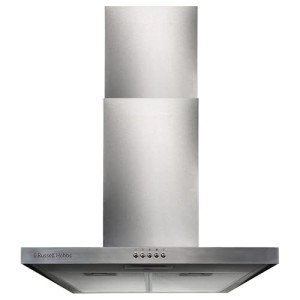
The Essential Kitchen Extractor Fan: A Guide to Choosing the Right One for Your Home
When it comes to cooking, the kitchen is frequently considered the heart of the home. Nevertheless, it can also be a place filled with odorous smoke, oily air, and an accumulation of moisture. This is where a kitchen extractor fan plays a critical function. It not just enhances the air quality of your kitchen however also assists keep a cleaner cooking environment.
In this comprehensive guide, we'll explore the different elements of kitchen extractor fans, why they're essential, the various types readily available, how to pick the best one for your kitchen, and tips for upkeep. Plus, we'll address some frequently asked questions to supply a well-rounded understanding of this essential kitchen home appliance.
What is a Kitchen Extractor Fan?
A kitchen extractor fan, likewise called a range hood or kitchen hood, is a device developed to eliminate smoke, steam, grease, and cooking smells from the air. It works by pulling in the impurities launched throughout cooking and filtering them out, either by recirculating tidy air back into the kitchen or venting it outside through a duct.
Why You Need a Kitchen Extractor Fan
Improves Air Quality: Cooking creates an array of airborne particles, consisting of grease and moisture, which can affect indoor air quality. An extractor fan assists get rid of these contaminants.
Prevents Accumulation of Grease: When cooking, grease can choose your kitchen surface areas, walls, and even your appliances. An excellent extractor fan helps decrease this buildup.
Removes Cooking Odors: A reliable fan will assist eliminate undesirable smells from your kitchen, making it a more pleasurable space for cooking and entertaining.
Minimizes Moisture Levels: Excess moisture can lead to mold and mildew growth. An extractor fan assists manage humidity levels, keeping your kitchen safe and dry.
Types of Kitchen Extractor Fans
Kitchen Extractor (moved here) fans been available in different designs and types to match various requirements and kitchen styles. Here's a contrast table of the common types:
| Type | Description | Pros | Cons |
|---|---|---|---|
| Wall-Mounted | Installed on the wall above the cooking surface. | Space-saving and effective for most kitchens. | Requires space on the wall. |
| Island | Installed over kitchen islands, offering 360-degree ventilation. | Stylish look and strong efficiency. | Requirements appropriate ducting and area. |
| Under-Cabinet | Installed beneath cabinets or cabinets. | Discreet, saving kitchen space and maintaining looks. | Less effective than other types. |
| Ductless | Filters air and recirculates it back into the kitchen. | Easy to install, no duct is required. | Filters require regular replacement. |
| Integrated | Built directly into kitchen cabinets for a smooth look. | Incredibly visual, blends well with custom designs. | May do not have powerful extraction. |
How to Choose the Right Kitchen Extractor Fan
When choosing an extractor fan, consider the following aspects:
Size: The size of the fan must align with your cooktop's size. A general rule is that the fan must be at least as large as the cooking surface.
CFM (Cubic Feet per Minute): This determines the fan's airflow capacity. A higher CFM score means much better extraction efficiency. Typically, kitchens require a fan that provides 100 CFM for each 10,000 BTUs of cooking power.
Sound Level: Noise levels vary across models. If low noise is a priority, look for fans that run at 60 decibels or lower.
Ducted vs. Ductless: Choose between a ducted model, which vents air outside, or a ductless one, which filters and recirculates air. Ducted systems are normally more effective however require more setup work.
Style: Extractor fans are offered in different designs and surfaces. Pick one that fits your kitchen's decoration and practical needs.
Maintenance Tips
To keep your kitchen extractor fan running efficiently, follow these maintenance tips:
Regular Cleaning: Clean the filters and fan blades regularly to prevent grease buildup and maintain efficiency. Depending on use, consider cleaning every 4-8 weeks.
Check the Ducting: Ducted systems must have the ducting checked for blockages frequently. Make sure that there isn't any grease accumulation.
Change Filters: For ductless models, change charcoal filters according to the producer's suggestions, generally every 6-12 months.
Examine for Wear and Tear: Regularly guarantee that the fan is firmly mounted and that no seals or connections are damaged.
Regularly Asked Questions (FAQ)
Do I truly require an extractor fan in my kitchen?
- Yes, an extractor fan enhances air quality and helps maintain your kitchen's tidiness and security.
What is the perfect height for an extractor fan above the cooktop?
- A typical recommendation is to install it at a height of 24 to 30 inches above the cooktop, depending upon the kind of cooking you do.
How frequently should I clean up the extractor fan?
- It's a good idea to clean filters every 4-8 weeks, while ducts ought to be checked every year.
Can I set up an extractor fan myself?
- While some designs are easier to set up-- like ductless models-- ducted setups can be intricate and may need professional help.
What is the distinction in between CFM and sones?
- CFM measures air flow capacity, while sones measure the noise level. Perfect fans have high CFM rankings with low sones for quieter operation.
A kitchen extractor fan is an essential tool for every single cooking space. Whether you're an enthusiastic home cook or prefer takeout, preserving air quality, decreasing humidity, and getting rid of smells will enhance your cooking experience. By comprehending the various kinds of extractor fans, their advantages, and how to preserve them, property owners can make sure a tidy and inviting kitchen environment.












