Coded Car Key Replacement: Everything You Need to Know
In the contemporary world of automotive security, coded car keys have ended up being a critical element of vehicle defense. Unlike conventional keys, which merely open the doors and begin the ignition, coded keys use sophisticated technology to enhance security and benefit. This post explores the numerous aspects of Coded Car Key Replacement (check out here), including the kinds of keys, processes included, expenses, and regularly asked questions.
Understanding Coded Car Keys
Coded car keys, frequently described as transponder keys, contain a microchip embedded within the plastic head of the key. This chip interacts wirelessly with the vehicle's ignition system. When the key is placed, it sends out an unique code to the car's computer. If the code matches, the vehicle starts; if not, the ignition system stays inactive.
Kinds Of Coded Car Keys
Coded car keys been available in various kinds, each created for different vehicle models and security systems. Below are some of the typical types:
- Transponder Keys: These keys consist of a microchip that sends out a digital signal to the car.
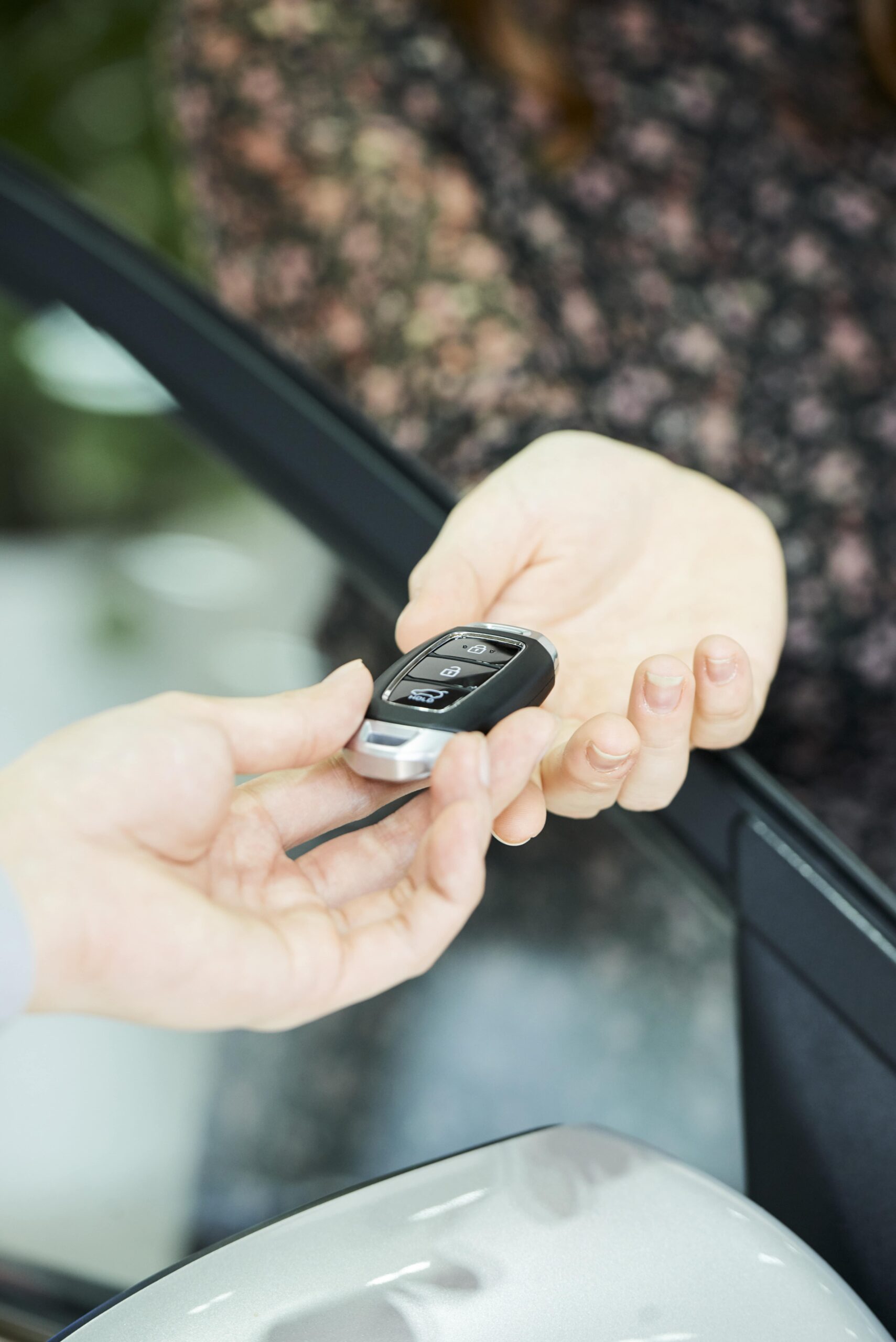
- Smart Keys: Also referred to as key fobs, clever keys permit for keyless entry and ignition.
- Remote Head Keys: These combine a conventional key with remote locking/unlocking functions.
- Switchblade Keys: These fold into the key fob, supplying convenience and security.
- Keyless Ignition Keys: These allow drivers to begin their vehicles without placing a standard key.
Comprehending these types is important when looking for a replacement, as the requirements differ depending on the vehicle's make and design.
The Car Key Replacement Process
The process of replacing a coded car key is more detailed than that of a traditional key. Here is a step-by-step guide on how it generally works:
1. Evaluate the Situation
Initially, the vehicle owner should identify if the original key is lost, harmed, or no longer operating. Knowing the particular issue will assist in picking the ideal option.
2. Gather Vehicle Information
Having key information about the vehicle is important for the replacement process. This includes:
- Vehicle Identification Number (VIN)
- Make, design, and year of the car
- Any existing codes or programming info associated with the key
3. Contact a Professional
It is suggested to speak with a certified locksmith professional or an authorized dealer for the replacement. While some auto parts stores use basic key cutting services, coded key replacement typically requires specialized equipment and programming.
4. Programming the New Key
From there, the expert will code the new key to match the vehicle's ignition system. This may involve:
- Using diagnostic tools to access the vehicle's computer system.
- Programming the key to guarantee it communicates correctly with the vehicle.
- Checking the brand-new key to guarantee performance.
5. Final Checks
Before concluding the service, some specialists will carry out a series of checks, including:
- Verifying that all locks (doors, trunk, glove compartment) function with the brand-new key.
- Validating that the key begins the vehicle seamlessly.
Cost of Coded Car Key Replacement
The cost connected with replacing coded car keys can differ extensively based on a number of aspects:
- Type of Key: Smart keys and key fobs tend to be more pricey than simple transponder keys.
- Programming: Professional programming and devices costs can significantly affect the overall cost.
- Place: Prices may vary based upon region, with city areas usually charging more due to demand.
- Dealer vs. Locksmith: Authorized dealerships typically charge greater rates compared to independent locksmiths.
Below is a table summarizing the approximated expenses for different kinds of coded keys:
| Type of Key | Approximated Cost Range | Additional Notes |
|---|---|---|
| Transponder Key | ₤ 50 - ₤ 200 | Programming included |
| Smart Key | ₤ 150 - ₤ 500 | May include extra features |
| Remote Head Key | ₤ 100 - ₤ 300 | Performance depends upon the design |
| Switchblade Key | ₤ 150 - ₤ 250 | Compact style includes cost |
| Keyless Ignition Key | ₤ 200 - ₤ 600 | High-end vehicle models |
Regularly Asked Questions
1. How long does it take to change a coded car key?
The time required for a coded car key replacement can vary from 30 minutes to a couple of hours, depending on the professional's proficiency and the complexity of the vehicle's key system.
2. Can I program a new key myself?
While some cars feature a basic do-it-yourself programming option, lots of coded keys need customized equipment that is typically only readily available to professionals. Therefore, speaking with a locksmith professional or dealership is usually advisable.
3. Is there a way to avoid key loss in the future?
There are a number of preventive measures vehicle owners can take to minimize the threat of losing coded keys, including:
- Keeping a spare type in a safe location.
- Utilizing key finders that can track the key location through a smart device.
- Establishing a routine to check the keys before leaving the vehicle.
4. What should I do if I lose my key?
If the initial key is lost, it is suggested to:
- Avoid attempts at using other types of keys.
- Contact a locksmith professional or dealer as quickly as possible.
- Consider altering the vehicle's locks if there are security issues.
Coded car key replacement is a complicated process however eventually vital for maintaining the security of modern vehicles. Understanding the numerous types of keys and their associated expenses can assist owners make informed choices when confronted with the necessity of a replacement. As technology continues to develop, staying notified about the newest advancements in automotive key systems stays critical for each car owner.