The Diverse World of Fireplace Styles: A Complete Guide
Fireplaces have actually long been a main function in homes, serving both practical and aesthetic functions. They provide heat, produce a cozy environment, and serve as an architectural centerpiece in a space. With a rich history that covers different cultures and periods, fireplaces are available in numerous styles, each showing unique attributes and choices. This post looks into the various types of fireplace styles, their design aspects, setup considerations, and maintenance suggestions.
Overview of Fireplace Styles
From traditional wood-burning stoves to modern gas fireplaces, the market offers a wide variety of styles to suit diverse tastes and home aesthetics. Below is a table summing up some common fireplace styles:
| Fireplace Style | Key Features | Best Suited For |
|---|---|---|
| Traditional | Brick or stone materials, large mantels, traditional designs | Traditional or rustic homes |
| Modern | Smooth lines, minimalistic styles, glass or metal materials | Contemporary interiors |
| Rustic | Masonry, rough-hewn products, natural surfaces | Mountain or cabin-style homes |
| Traditional Wood-Burning | Open firebox, chimney flue, requires wood fuel | Houses with adequate space |
| Gas Fireplace | Easy to utilize, vented or vent-free alternatives | Any home, particularly metropolitan |
| Electric Fireplace | Plug-in convenience, practical flame effects | Apartment or condos or homes without a direct vent |
| Corner Fireplace | Placed in corners to conserve space, often angled | Smaller living-room |
| Two-Sided Fireplace | Visible from more than one space, frequently used in open plans | Large or open-concept spaces |
| Outdoor Fireplace | Stone, brick, or concrete construction, often geared up with seating | Patios, gardens, yards |
Kinds of Fireplaces
1. Traditional Fireplaces
Traditional fireplaces are often made from masonry products such as brick or stone. They normally include a popular mantel and solid chimneys. These fireplaces develop an inviting, warm atmosphere and are best fit for homes with a timeless or rustic design.
2. Modern Fireplaces
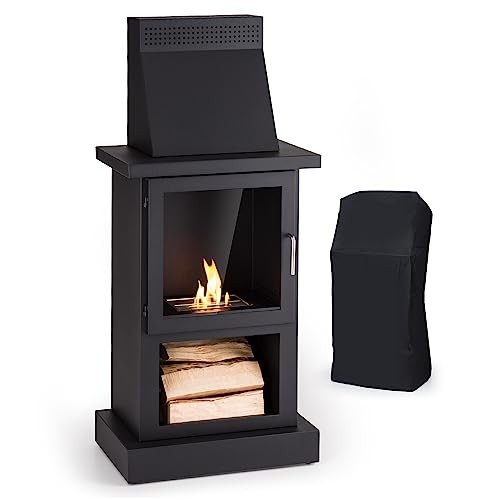
In contrast, modern fireplaces emphasize streamlined lines and minimalistic styles. Building and construction products like glass and metal prevail, permitting them to blend effortlessly into contemporary interiors. These fireplaces often include hidden vents or no visible log stacks.
3. Rustic Fireplaces
Rustic fireplaces evoke a sense of coziness and connection to nature. They often feature rough-hewn products, such as recovered wood or natural stone. These designs are frequently found in mountain cabins or rural homes where nature-inspired themes rule supreme.
4. Traditional Wood-Burning Fireplaces
This timeless style requires logs as fuel and usually features a large firebox and a chimney flue. While they offer genuine heat and ambiance, they need more upkeep and are generally best for houses with sufficient space and correct ventilation.
5. Gas Fireplaces
Gas fireplaces are significantly popular due to their convenience and ease of use. They can be vented through exterior walls or left vent-free, allowing flexibility in setup. They offer instantaneous heat and a practical flame, suitable for various home styles.
6. Electric Fireplaces
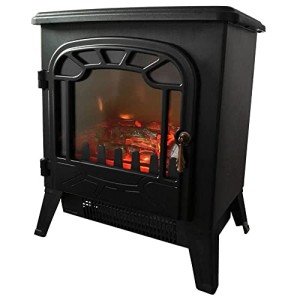
For those looking for an easy and low-maintenance choice, electric fireplaces are an outstanding solution. They can be simply plugged in and frequently feature sensible flame effects. Electric fireplaces are especially advantageous in houses or homes without existing ventilation systems.
7. Corner Fireplaces
Corner fireplaces are created to fit snugly into a room's corner, making them a perfect choice for smaller sized areas. They can be wood or gas burning and assistance optimize living area while still supplying warmth and style.
8. Two-Sided Fireplaces
Perfect for open layout, two-sided fireplaces allow presence and heat to flow in between two spaces. They cultivate connection within a home and typically work as unique style functions.
9. Outdoor Fireplaces
Outdoor fireplaces produce additional home outside, acting as a celebration area. These fireplaces can be made from stone or brick and may include integrated seating locations for a boosted outdoor experience.
Benefits of Having a Fireplace
- Visual Appeal: Fireplaces function as centerpieces in spaces, using visual warmth and enhancing design.
- Increased Property Value: Homes with fireplaces often have higher resale values, specifically in cooler climates.
- Convenience and Warmth: A fireplace provides a cozy ambiance, serving as a heating source on cold days.
- Social Interaction: Fireplaces develop welcoming spaces for gatherings and family time.
Upkeep Considerations
Appropriate upkeep is vital to keep any fireplace in working order. Below are general maintenance ideas resources for various fireplace styles:
- Regular Cleaning: Fireplaces should be cleaned routinely, with soot and ash gotten rid of to prevent buildup.
- Chimney Inspection: Have chimneys examined each year to avoid clogs and ensure they operate properly.
- Fuel Management: Use appropriate fuel types for wood-burning or gas fireplaces, and keep them appropriately.
- Look for Damage: Regularly check for any indications of wear and tear, such as fractures or warping, specifically in masonry fireplaces.
- Professional Servicing: Hire specialists for significant repairs or extensive upkeep jobs.
FAQs
1. What type of fireplace is best for a small space?
Electric and corner fireplaces are ideal for small areas, supplying warmth without requiring substantial installation.
2. Are gas fireplaces safe?
Yes, gas fireplaces are safe when set up and maintained correctly. It is necessary to make sure appropriate ventilation and follow setup guidelines.
3. Can I install a fireplace myself?
While simple electric fireplaces can be set up by the house owner, a lot of traditional or gas fireplaces need to be set up by an expert to make sure security and compliance with building regulations.
4. How typically should I clean my chimney?
Chimneys should ideally be inspected and cleaned a minimum of as soon as a year, specifically if you use your fireplace frequently.
5. Do electric fireplaces produce real heat?
While electric fireplaces simulate the appearance of flames, they likewise create heat through electric coils, providing heat comparable to traditional systems.
Fireplaces function as more than just a source of heat; they play a vital function in home style and atmosphere. With many styles offered, house owners can select a place and design that match their individual preferences and home environment. Understanding the numerous types of fireplaces and their benefits can assist individuals make notified decisions about their setup, upkeep, and usage.