The Ultimate Guide to Nursery Cots: Choosing the very best for Your Baby
When preparing for a new arrival, selecting the right nursery cot is among the most important choices moms and dads will make. A nursery cot not just provides a safe and comfortable sleeping environment for your baby but likewise plays a considerable role in the total style of the nursery. With myriad options offered on the marketplace, it can be intimidating to browse through the choices. This detailed guide will look into the different kinds of nursery cots - Git.cswklt.Top,, important functions to think about, and tips for making the very best crib for newborn choice for your household.
Tabulation
- Kinds Of Nursery Cots
- 1.1. Standard Cots
- 1.2. Convertible Cots
- 1.3. Portable Cots
- 1.4. Cradles and Bassinets
- Key Features to Consider
- 2.1. Safety Standards
- 2.2. Material Quality
- 2.3. Adjustability
- 2.4. Style and Aesthetics
- Taking care of Your Nursery Cot
- Frequently Asked Questions
- Conclusion
1. Types of Nursery Cots
Choosing the best kind of nursery cot is necessary for ensuring that your baby has a safe and enjoyable sleeping experience. Here's a breakdown of the most typical types you may think about:
1.1. Basic Cots
Standard nursery cots are the most typical option. These cots normally feature a repaired or adjustable bed mattress height and are designed to satisfy safety standards for babies.
| Feature | Description |
|---|---|
| Size | Generally 120 x 60 cm |
| Mattress Height | Fixed or adjustable |
| Durability | Generally utilized up until age 2-3 |
1.2. Convertible Cots
Convertible cots can transition from a great crib to a toddler bed and even to a full-size bed as your child grows. This kind of cot is an exceptional long-lasting investment.
| Feature | Description |
|---|---|
| Size | Varies, frequently includes bed frame |
| Bed mattress Height | Adjustable to accommodate growth |
| Durability | Can last until age 10-12 |
1.3. Portable Cots
Likewise called travel cots or playpens, portable cots are lightweight and simple to establish. They are ideal for families on the go or for visiting family members.
| Function | Description |
|---|---|
| Size | Generally compact |
| Mattress Height | Typically repaired |
| Longevity | May last until age 2-3 |
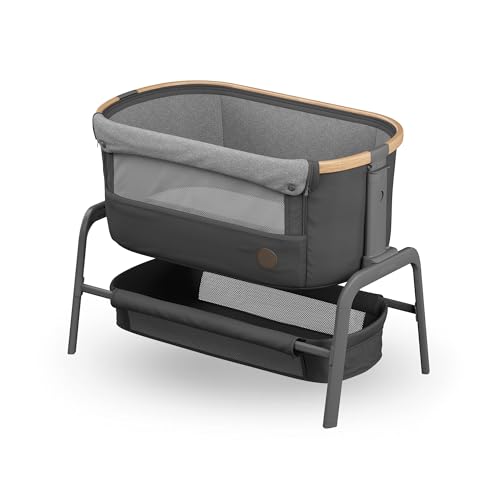
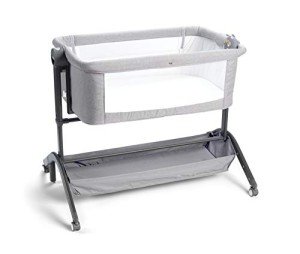
1.4. Cradles and Bassinets
These smaller sleeping choices are best for the very first couple of months of your newborn's life. They are designed for easy access and portability.
| Function | Description |
|---|---|
| Size | Smaller sized than standard cots |
| Mattress Height | Repaired |
| Longevity | Typically utilized until 6 months |
2. Key Features to Consider
When looking for a nursery cot, there are numerous vital functions to remember to ensure the security and convenience of your baby.
2.1. Safety Standards
Confirm that the cot satisfies all required security policies-- this consists of checking for sturdy building and construction, non-toxic finishes, and no sharp edges. Try to find certifications from pertinent security organizations in your country.
2.2. Product Quality
Cots are typically made from wood, metal, or a combination of both. Strong wood cots are durable and strong, while metal cots can be lightweight and simple to clean. Constantly inspect the quality of the material utilized; avoid any that release strong chemical smells.
2.3. Adjustability
Cots with adjustable mattress heights can make it much easier for parents to lift their baby in and out of the cot. As your child grows, reducing the mattress height adds extra safety.
2.4. Style and Aesthetics
The design of the nursery cot can set the tone for the whole nursery. Whether you prefer a modern-day look or a traditional design, select a cot that matches your overall nursery style.
3. Caring for Your Nursery Cot
Taking care of your nursery cot will assist guarantee it remains safe and functional for your child. Here are some pointers for upkeep:
- Regular Inspection: Routinely inspect for any loose screws, fractures, or other indications of wear.
- Cleaning up: Use a damp cloth with mild soap to clean up the cot. Prevent severe chemicals that could hurt your baby.
- Bed linen: Make sure that bedding fits snugly which there are no loose blankets or pillows that might pose a suffocation threat.
4. Frequently Asked Questions
Q: At what age ought to my baby transition out of a cot?A: most recommended cribs kids my baby?A: Look for cots that meet safety standards, prevent drop-side cribs, and ensure there are no gaps bigger than two fingers between the slats. Q: Are convertible cots worth the investment?A: Yes, convertible cots are a cost-effective option as they can adjust to your child's requirements as they grow. Q: How do I pick the ideal mattress for my cot?A: Ensure the mattress fits comfortably without any spaces and is firm, as soft mattresses can increase the risk of suffocation. 5. Conclusion Picking the right nursery cot is a mix of security, functionality, and design. By thinking about the different kinds of cots, crucial features, and care details, moms and dads can guarantee they make an informed choice that meets their household's needs. An excellent nursery cot not only provides a safe sleeping environment but likewise enhances the general aesthetic of the nursery, making it a lovely area for both parents and their new baby. By making the effort to research and select wisely, parents can rest simple understanding they have made the very best option for their child.
shift out of a cot between 2 to 3 years, or when they start to climb up out. Q: How can I guarantee my cot is safe for