

The Exercise Bicycle: A Comprehensive Guide to Indoor Cycling
The exercise bicycle, commonly understood as the stationary bicycle or indoor bike, has actually become a staple in physical fitness routines around the world. It uses a hassle-free way for people to preserve cardiovascular physical fitness and muscle tone without the requirement for outside cycling. This article explores the different types of exercise bicycles, their advantages, how to pick the right one, and some regularly asked concerns.
Comprehending the Types of Exercise Bicycles
Exercise bikes been available in different designs, accommodating different physical fitness levels and choices. Below is a table showcasing the main kinds of exercise cycle bike bikes available on the marketplace.
| Type of Exercise Bicycle | Description | Perfect For | Cost Range |
|---|---|---|---|
| Upright Bike | Mimics the feel of a conventional bicycle. | General fitness enthusiasts | ₤ 200 - ₤ 700 |
| Recumbent Bike | Functions a larger seat and back support, appropriate for reclining. | Beginners, seniors, or those with back issues | ₤ 300 - ₤ 1,200 |
| Spin Bike | Created for high-intensity period training (HIIT) with a heavy flywheel. | Advanced users & & spin classes | ₤ 300 - ₤ 2,000 |
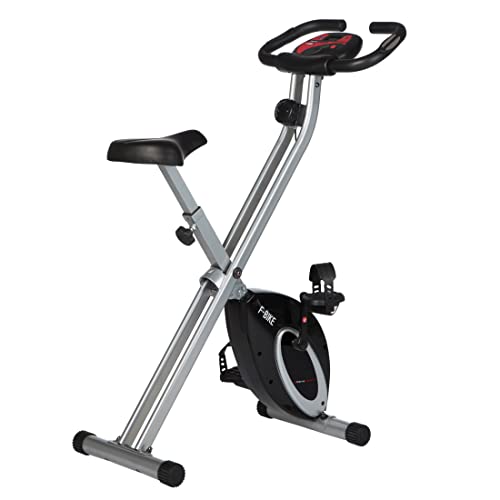
| Folding Bike | Compact and portable, best for small spaces. | Those with restricted space | ₤ 150 - ₤ 600 |
| Hybrid Bike | Combines functions of upright and recumbent bikes. | Versatile users desiring choices | ₤ 250 - ₤ 1,000 |
Advantages of Using an Exercise Bicycle
Using an exercise bicycle home exercise cycle home - simply click the up coming webpage, offers many health benefits, making it an important addition to any physical fitness program. Here are a few of the primary advantages:
Cardiovascular Fitness: Regular cycling improves heart health, increases lung capability, and boosts overall cardio endurance.
Weight Management: Cycling burns calories successfully, assisting in weight loss or upkeep when combined with a well balanced diet plan.
Low Impact Exercise: Unlike running or high-impact sports, biking locations less strain on the joints, making it an ideal choice for those with injuries or persistent discomfort.
Muscle Toning: It assists tone the lower body muscles, including the quadriceps, hamstrings, calves, and glutes.
Convenience: The capability to cycle inside your home at any time eliminates weather-related barriers and time restraints.
Mental Health Benefits: Regular exercise releases endorphins, improving mood, reducing anxiety, and improving total psychological health.
Selecting the Right Exercise Bicycle
Selecting the ideal stationary bicycle can substantially enhance the home exercise experience. Here are some aspects to consider when buying an exercise bicycle:
1. Comfort and Ergonomics
- Examine the seat change alternatives; a saddle that can be changed for height and fore/aft positioning is essential for convenience.
- Look for cushioned seats, especially for upright and spin bikes.
2. Resistance Levels
- Adjustable resistance permits different intensity; magnetic and friction resistance systems are the most typical.
3. Size and Space
- Consider your offered space and whether you require a collapsible model or a more robust stationary bicycle.
4. Technology and Features
- Lots of bikes included built-in fitness tracking, Bluetooth connectivity, and compatibility with fitness apps.
5. Budget
- Set a spending plan; stationary bikes exercise bikes bicycles can range from a couple of hundred to a number of thousand dollars.
6. Service Warranty and Customer Support
- Try to find brands that use excellent guarantees and reliable customer support.
| Factors to Consider | Description |
|---|---|
| Comfort and Ergonomics | Adjustable seat and cushioned saddle |
| Resistance Levels | Magnetic vs friction resistance systems |
| Size and Space | Measurements and whether it's foldable |
| Technology and Features | Physical fitness tracking and app compatibility |
| Spending plan | Rate ranges and financing options |
| Service warranty and Support | Brand reliability and customer care |
FREQUENTLY ASKED QUESTION: Frequently Asked Questions About Exercise Bicycles
Q1: How long should I utilize my exercise bicycle daily?
A: For optimal health benefits, go for a minimum of 30 minutes of moderate-intensity cycling most days of the week.
Q2: Can using an exercise bicycle aid with weight-loss?
A: Yes, when combined with a healthy diet, cycling can successfully assist with weight-loss due to its calorie-burning capacity.
Q3: Is an exercise bicycle ideal for novices?
A: Absolutely! Exercise bikes can be adjusted for various resistance levels, making them ideal for beginners and advanced users alike.
Q4: Do I need any special gear to use an exercise bicycle?
A: While special cycling shoes can enhance efficiency, comfy workout attire and encouraging footwear are normally sufficient.
Q5: How do I maintain my exercise bicycle?
A: Regular maintenance includes cleaning up the bike, lubing the chain (if applicable), and examining for loose parts and appropriate tension in the resistance system.
Q6: Can I use an exercise bicycle for rehabilitation functions?
A: Yes, lots of physiotherapists recommend fixed bikes as a part of rehabilitation programs due to their low-impact nature.
The exercise bicycle supplies a wonderful way to stay in shape, improve cardiovascular health, and maintain an active lifestyle from the convenience of your home. With a variety of designs to select from, individuals can select the finest bike to fit their specific physical fitness objectives, space, and comfort requirements. Whether you're a novice just starting your journey or a skilled bicyclist, the advantages of biking are clear. Buying an exercise bicycle is not simply acquiring physical fitness equipment; it is buying your health and well-being.












