

The Essential Guide to Gutter Downpipes: Importance, Types, and Maintenance
Gutter downpipes play a crucial role in a building's drainage system, channeling rainwater safely from the roof to the ground or drainage system. They avoid water from pooling around the structure of a structure, thus minimizing the threat of water damage, erosion, and other moisture-related concerns. This blog post will explore the importance of Gutter Specialists downpipes, the different types available, maintenance suggestions, and often asked concerns.
Understanding Gutter Downpipes
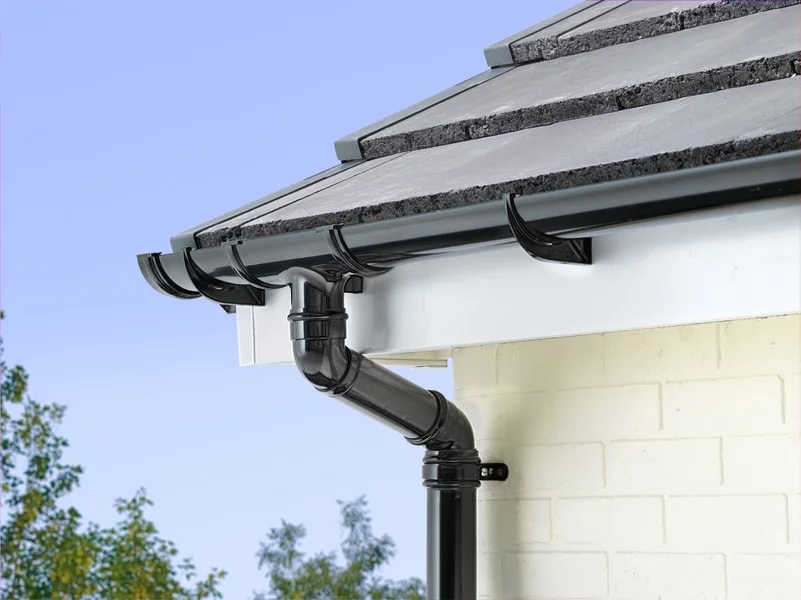
Gutter Downpipes; Read Homepage,, also referred to as rainwater downspouts, are vertical pipes that link to a structure's gutter system. They function as avenues for transporting rainwater gathered by the roof and gutters to the ground or a drainage system. Effectively working downpipes ensure that rainwater is efficiently directed away from the structure of a home or building, securing it from prospective water damage.
Importance of Gutter Downpipes
Gutter downpipes are important for a number of reasons:
Water Management: They efficiently funnel rainwater far from the roof, preventing overflow and prospective flooding.
Structure Protection: By directing water away from the structure, they minimize the risk of soil erosion and structural damage.
Mold and Mildew Prevention: Consistent drainage helps avoid damp conditions that can cause mold and mildew development.
Landscape Protection: Properly installed downpipes prevent water from pooling in landscaped locations, thus maintaining plant health.
Cost-Effectiveness: Preventing water damage through reliable drainage can conserve house owners from costly repairs.
Kinds Of Gutter Downpipes
Gutter downpipes come in different materials, sizes, and styles. Here's a detailed table describing the various types:
| Type | Material | Pros | Cons | Ideal Use |
|---|---|---|---|---|
| Round | Aluminum | Lightweight, corrosion-resistant | May dent or bend easily | Residential structures |
| Square | PVC | Affordable, easy to install | May end up being fragile in time | Commercial Gutters structures |
| Rectangular | Steel | Resilient, strong | Prone to rust if not covered | Industrial settings |
| Custom | Copper | Visual appeal, lasts long | High preliminary cost | High-end homes |
| Perforated | Vinyl | Light-weight, simple maintenance | Restricted circulation capacity | Areas with splash zones |
Selecting the Right Downpipe
When choosing a downpipe, think about the list below factors:
- Material: Choose a product that matches your climate and maintenance preferences.
- Size: The size of the downpipe ought to correspond to the size of the gutters to ensure effective water circulation.
- Style: Consider the architectural style of your home or structure to select a downpipe that complements its visual.
- Local Regulations: Some locations have policies relating to drainage systems; talk to local authorities before installation.
Maintenance of Gutter Downpipes
Appropriate maintenance of gutter downpipes guarantees their effective operation and durability. Here are some vital maintenance suggestions:
Regular Inspections
- Frequency: Inspect downpipes at least two times a year, specifically throughout spring and fall.
- What to Look For: Check for clogs, rust, leaks, or any signs of physical damage.
Cleaning
- Clear Debris: Remove leaves, dirt, and other debris that can block the downpipe. Special tools like a plumber's snake or a pressure washer can be utilized.
- Flush with Water: After cleaning, flush the downpipe with water to guarantee it's clear and functioning correctly.
Fixing and Replacing
- Restore Holes: Small leaks can be repaired with sealants, but bigger issues may require professional assistance or complete replacement.
- Watch on Connections: Ensure that all connections in between the gutters and the downpipe, along with between the downpipe and the drainage system, are safe and secure.
Seasonal Preparation
- Winter Care: In locations that experience freezing temperatures, consider insulating downpipes to avoid ice buildup and blockages.
- Debris Traps: Install guards or screens at the top of the downpipes to avoid particles from going into and causing clogs.
Regularly Asked Questions (FAQ)
1. How do I understand if my gutter downpipes require cleaning?
If you discover water overruning from the gutters or pooling around the structure, your downpipes might be clogged and need cleaning.
2. Can I set up gutter downpipes myself?
While DIY Guttering Installation is possible, it is advisable to consult with a professional to ensure correct positioning and connection with the drainage system.
3. What should I do if my downpipe is dripping?
Initially, examine the connection points for any visible damage. If the leak continues, think about utilizing a sealant or seek advice from a professional for repairs.
4. How often should I clean my gutter downpipes?
It is recommended to clean your gutter downpipes at least two times a year, or more frequently if your home is surrounded by trees or debris.
5. Are there specific policies for gutter downpipes?
Yes, local regulations may determine how water needs to be handled on your home. Consult your local government for any specific requirements.
Gutter downpipes are an essential part of a building's drainage system, serving to effectively direct rainwater away from the structure. Choosing the best type and preserving them effectively can substantially decrease the threat of water damage, protect the structure, and boost the total durability of your home. By comprehending their value and sticking to regular maintenance, property owners can guarantee their residential or commercial property remains safe and dry for several years to come.












