

The Ultimate Guide to Best Fascia Replacement Options
When it comes to home improvement, one often-overlooked aspect is the fascia. Fascia boards are the long, horizontal slabs that run along the edge of your roofing, serving both functional and visual purposes. Gradually, they can struggle with wear and tear due to climate condition, pests, and other factors, demanding their replacement. In this guide, we'll check out the best products for fascia replacement, their pros and cons, installation factors to consider, and address some regularly asked concerns.
What is Fascia?
Before diving into replacement alternatives, it's necessary to comprehend what fascia does. The fascia board secures your roofing system rafters and includes structural stability to your home. It also works as a mounting point for gutter systems, providing a tidy surface to your roofline. Offered its value, picking the best material for fascia replacement is vital for both performance and visual appeals.
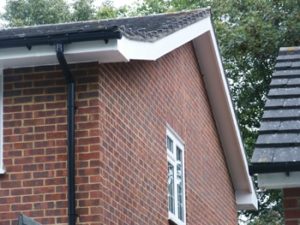
Best Materials for Fascia Replacement
The option of product for Affordable Soffit Replacement (md.chaosdorf.de) fascia replacement can considerably affect durability, expense, and maintenance. Listed below, we have actually detailed the leading materials readily available, along with their pros and cons.
| Product | Pros | Cons |
|---|---|---|
| Wood | - Classic aesthetic; easy to deal with | - Prone to rot; requires routine maintenance |
| Vinyl | - Low maintenance; resistant to rot and pests | - Can end up being brittle with time; limited color options |
| Aluminum | - Durable; will not rust; readily available in different colors | - Can be dented; more expensive than vinyl |
| Composite | - Eco-friendly; resistant to fading and weather | - Can be heavier; higher initial cost |
| Fiber Cement | - Extremely long lasting; fireproof; low maintenance | - Heavy; needs specific tools for installation |
1. Wood
Pros:
- Aesthetically enticing, offering a timeless and natural appearance.
- Easy to tailor and paint to match the home's outside.
Cons:
- Susceptible to rot, termites, and other pests, especially in humid climates.
- Needs routine maintenance, such as painting, sealing, or staining every couple of years to maintain look and resilience.
2. Vinyl
Pros:
- Low maintenance; does not require painting and can just be cleaned with soap and water.
- Resistant to rot, insects, and fading, making it a lasting choice.
Cons:
- Limited color choices compared to wood and aluminum.
- Can become brittle gradually, especially in severe temperatures.
3. Aluminum
Pros:
- Highly long lasting and resistant to rust and corrosion.
- Offered in numerous colors and surfaces, offering adaptability for looks.
Cons:
- Can dent quickly; for this reason, it might not be ideal for areas with high impacts.
- Usually more costly than vinyl alternatives.
4. Composite
Pros:
- Made from recycled wood and plastic, making it an environment-friendly choice.
- Extremely resistant to fading, staining, and weather damage.
Cons:
- Heavier than conventional wood, which may require additional support during installation.
- Higher preliminary cost compared to wood and vinyl.
5. Fiber Cement
Pros:
- Extremely durable, resistant to fire, pests, and rot.
- Low maintenance; only needs regular cleaning.
Cons:
- Heavier than other materials, necessitating specialized installation techniques.
- May require particular cutting tools throughout installation.
Installation Considerations
When you've selected your material, it's necessary to think about the installation procedure. Proper installation is vital for ensuring longevity and avoiding water damage.
Actions for Installation
Get Rid Of Old Fascia: Carefully take off the old fascia, looking for any signs of damage to the underlying structure.
Check the Roofline: Before installing the new fascia, inspect the roofline for any water damage or rot that may require repairs.
Cut New Fascia: Measure and cut the brand-new fascia boards to fit your particular roofline.
Install the New Fascia: Secure the brand-new fascia in location utilizing proper fasteners based on the material picked.
Paint or Finish: If utilizing wood, apply a sealant or paint after installation to safeguard it from the components.
Regularly Asked Questions
1. How often should I change my fascia?
Fascia boards can last anywhere from 10 to 50 years, depending on the material and maintenance. Regular examinations can help identify if replacement is essential.
2. Can I paint my vinyl fascia?
While vinyl Fascia And Gutter Replacement doesn't need painting, Best Fascia Replacement) you can paint it if you want to alter the color. Utilize a top quality vinyl-safe paint for the best fascia replacement - https://dokuwiki.stream/wiki/4_dirty_little_secrets_about_roofline_repairs_industry_roofline_repairs_industry, results.
3. What is the typical cost of fascia replacement?
The expense can vary significantly based on material and labor, however typically, property owners can anticipate to pay between ₤ 3 and ₤ 10 per linear foot for materials, plus installation costs.
4. Do I need a professional for fascia installation?
While DIY installation is possible, employing a professional is advised, particularly for heavier products like fiber cement, to ensure appropriate installation and security.
5. How can I maintain my fascia after replacement?
Routine maintenance includes looking for signs of damage, cleaning debris, and resealing or painting wood products as needed.
Choosing the right material for fascia replacement is crucial for both the performance and appearance of your home. With numerous choices readily available, homeowners need to weigh the advantages and disadvantages of each material type to discover the very best fit for their needs. Whether deciding for conventional wood, low-maintenance vinyl, resilient aluminum, eco-friendly composite, or robust fiber cement, a properly maintained fascia will enhance your home's curb appeal while safeguarding its structural stability.
By considering your environment, budget plan, and aesthetic preferences, you can make a knowledgeable option that will benefit your home for several years to come.










