

The Essential Guide to Cooker Extractors
Cooker extractors, frequently referred to as Range Hood (Https://git.anagora.Org/extractor-fan-hood9332) hoods or kitchen hoods, are important appliances in modern kitchens. Their primary function is to ventilate the cooking area, removing smoke, smells, heat, and wetness while likewise adding to a cleaner, much healthier environment. With a Range Cooker Hood of styles, features, and innovations available, selecting the ideal cooker extractor can be a difficult task. This blog site post intends to offer an informative introduction of cooker extractors, highlighting their value, Types Of Cooker Hood, setup considerations, maintenance tips, and regularly asked questions.
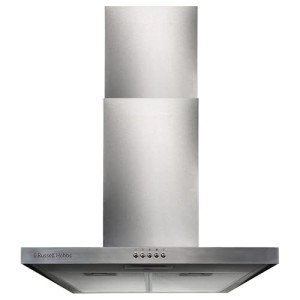
The Importance of Cooker Extractors
Cooker extractors serve a number of essential purposes in a kitchen:
- Ventilation: They enhance air quality by getting rid of cooking fumes and excess moisture.
- Smell Control: By filtering and expelling smoke and smells, they can keep the kitchen enjoyable for cooking and entertaining.
- Allergen Reduction: Cooker extractors can help to decrease irritants and irritants in the air, such as smoke particles and grease.
- Energy Efficiency: Improved ventilation can improve the efficiency of cooking appliances, gaining best cooking conditions with less energy usage.
Kinds Of Cooker Extractors
When picking a Cooker Fan extractor, house owners can select from numerous types, each with its special functions and advantages:
| Type | Description | Pros | Cons |
|---|---|---|---|
| Wall-Mounted | Set up directly on the wall above the stove. | Trendy design; space-saving | Needs wall area; may not fit all kitchen layouts. |
| Under-Cabinet | Repaired under kitchen cabinets, drawing air through a vent that leads outside or recirculates it. | Compact; blends with cabinets | Limited extraction power; may need extra clearance. |
| Island | Suspended over a kitchen island, typically created to be a main function in open-plan areas. | Visual appeal; powerful extraction | Greater installation expenses; may not fit all decor styles. |
| Downdraft | Withdraws into the countertop when not in usage and rises when activated. | Space-efficient; modern design | Less powerful; requirements reliable counter space. |
| Ceiling-Mounted | Installed directly into the ceiling, suitable for open kitchens with no walls for conventional hoods. | Efficient for big areas | Possibly complicated installation; may require structural support. |
Aspects to Consider When Choosing a Cooker Extractor
When it pertains to choosing the perfect cooker extractor, here are some factors that will assist guide the decision:
- Size: Ensure the extractor matches the size of your stove. Generally, it ought to be at least as wide as the cooking surface area.
- Extraction Power: Measured in cubic feet per minute (CFM), the power figures out the quantity of air the Hob Hood can move, impacting its effectiveness. Consider a greater CFM for heavy cooking designs.
- Ducted vs. Ductless: Ducted extractors vent air outside, while ductless models filter air and recirculate it back into the kitchen. Ducted choices are generally more effective and effective.
- Noise Level: Consider the decibel (dB) rating of the extractor. A quieter design can make cooking more pleasant.
- Extra Features: Features such as lighting, speed settings, and built-in filters can improve functionality and functionality.
Setup Considerations
Correct setup of a cooker extractor makes sure optimum efficiency and longevity. Here are important installation considerations:
- Height Above Cooktop: Partially determined by the type of cooker extractor, the advised height is normally between 24 to 30 inches above the cooktop for wall-mounted or under-cabinet models.
- Duct Work: For ducted designs, consider the range and bends of ducting; straight runs reduce sound and make the most of effectiveness.
- Electrical Connections: Ensure compatibility with existing electrical wiring; some models might require expert installation.
- Ventilation Paths: Identify the best path for air to get away or return to, enhancing energy usage and air quality.
Maintenance Tips
Routine upkeep keeps cooker extractors working efficiently. Here are some important pointers:
- Clean Filters: Depending on usage, filters must be washed or replaced every 1-3 months. Aluminum filters can be cleaned with soap and water, while charcoal filters require replacement.
- Clean Down Surfaces: Regularly wipe the exterior surface areas to get rid of grease and dust buildup.
- Examine for Blockages: Regularly examine vents and ducts for obstructions to ensure optimum air flow.
- Update Light Bulbs: If the extractor has built-in lights, check them regularly to keep visibility while cooking.
Frequently Asked Questions (FAQ)
1. How do I know what size cooker extractor to select?
The size is generally identified by the width of your cooking surface. Lots of specialists advise a cooker extractor that is at least as wide as the stove for ideal efficiency.
2. Should I pick a ducted or ductless cooker extractor?
Ducted cooker extractors are generally more effective and efficient, as they vent air exterior. If outside venting isn't an alternative, a ductless model may appropriate, however bear in mind it might not be as effective in removing smells and grease.
3. How typically should I change the filters in my cooker extractor?
It depends on usage. Grease filters need to normally be cleaned every 1 to 3 months. Charcoal filters should be changed per the manufacturer's suggestions, typically every 6-12 months.
4. Can I install a cooker extractor myself?
While some might pick to do it themselves, it's frequently suggested to employ an expert, specifically for ducted installations that require electrical and structural adjustments.
5. What is the perfect noise level for a cooker extractor?
A noise level of 50 dB or less is typically thought about acceptable; the lower the number, the quieter the extraction will be. Think about sound levels if you frequently use your kitchen for events.
Buying the right cooker extractor can considerably improve your kitchen experience, offering enhanced air quality, effective ventilation, and a pleasant cooking environment. By thinking about the various types available, important features, and upkeep practices, property owners can ensure they select an extractor that satisfies their cooking requirements and choices. Whether cooking in the house or amusing visitors, an effectively functioning cooker extractor will play a crucial function in any kitchen's style and effectiveness.










