


The German Driving License Solution: A Comprehensive Guide
Driving in Germany is not simply a way of transportation; it's a part of the country's culture and economy. With a robust roadway network and well-organized traffic regulations, holding a German driving license can substantially relieve your movement within the country and throughout Europe. This article will explore the intricacies of obtaining a German driving license, the different types readily available, the application process, and frequently asked concerns.
Understanding the German Driving License
The German driving license (Deutschen FüHrerschein Schnell Erhalten) is a file that licenses individuals to operate automobile on public roadways. The system adheres to the European Union regulations, which ensures standardization and shared acknowledgment among EU member states.
Types of German Driving Licenses
There are several classifications of driving licenses in Germany, each customized for different car types. Below is a table summarizing the main categories:
| License Category | Lorry Type | Minimum Age | Description |
|---|---|---|---|
| A | Motorbikes | 24 | For all motorbikes over 125cc or with a power output over 11 kW. |
| A1 | Light Motorcycles | 16 | For bikes approximately 125cc and a maximum of 11 kW. |
| B | Cars | 18 | For lorries up to 3.5 tons and 8 guest seats. |
| BE | Cars and trucks with Trailer | 18 | For lorries in category B with a trailer over 750 kg. |
| C | Trucks | 21 | For lorries over 3.5 heaps, frequently utilized for commercial functions. |
| CE | Trucks with Trailer | 21 | For category C lorries with a trailer over 750 kg. |
| D | Buses | 24 | For carrying more than 8 travelers. |
| DE | Buses with Trailer | 24 | For classification D with a trailer over 750 kg. |
Steps to Obtain a German Driving License
The process of acquiring a German driving license can be uncomplicated if you follow the necessary actions. Below is a detailed breakdown of the application procedure:
1. Eligibility
To make an application for a driving license in Germany, applicants need to fulfill specific eligibility requirements:
- Be a minimum age as specified for the respective license category.
- Have legitimate residency status in Germany.
- Pass the needed vision tests.
2. Registration in Driving School
Once eligible, prospects must register in a certified driving school (Fahrschule). Here, they will receive theoretical lessons and practical driving guideline.
3. Theoretical Exam
After completing the theoretical course, candidates need to pass a theoretical exam. The examination consists of multiple-choice concerns covering traffic guidelines and safe driving practices.
4. Practical Training
Upon passing the theoretical test, prospects will undergo practical training with a certified trainer. This normally includes a minimum number of driving hours, which can differ based on the classification of the license.
5. Practical Exam
When the instructor considers you prepared, you will take the useful driving test. This exam examines your driving abilities in genuine traffic conditions.
6. Application Submission
Following effective completion of both tests, candidates should send their driving license application to the local Driver's License Authority (Führerscheinstelle). Needed files frequently include:
- A completed application type.
- Proof of identity (passport or ID).
- Proof of residency.
- Medical certificate (if relevant).
- Vision test certificate.
7. Payment of Fees
There are costs associated with the application process, consisting of expenses for the theoretical and practical tests, driving school tuition, and the issuance of the license itself.
8. Issuance of License
When all requirements are fulfilled, you will get your German driving license, which is usually valid for 15 years.
Essential Considerations
- International Drivers: If you already hold a legitimate driving license from another nation, you may be eligible for a conversion to a German license without taking both exams, depending on your home nation.
- License Renewal: After 15 years, chauffeurs need to restore their licenses. This procedure may consist of new vision tests and medical checks.
Often Asked Questions (FAQ)
1. Can I drive in Germany with a foreign driving license?
Yes, if you are a tourist or temporarily living in Germany, you can drive with a valid foreign driving license for as much as six months. After that, you might require to make an application for a German license.
2. For how long does it take to get a German driving license?
The duration varies based on individual circumstances, consisting of how rapidly you complete your driving lessons and pass the needed examinations. Usually, the majority of people can anticipate the procedure to take a few months.
3. Exist any age restrictions on getting a driving license in Germany?
Yes, the minimum age differs by license category, ranging from 16 for light bikes to 24 for buses.
4. What if I fail my driving test?
If you stop working any part of the driving test, you can retake it after a waiting duration. There are normally limitations on the number of retakes for the theoretical and practical examinations.
5. Can I drive a cars and truck without a driving license in Germany?
No, driving a vehicle without a valid driving license is illegal and can result in heavy fines, points on your record, and even criminal charges.
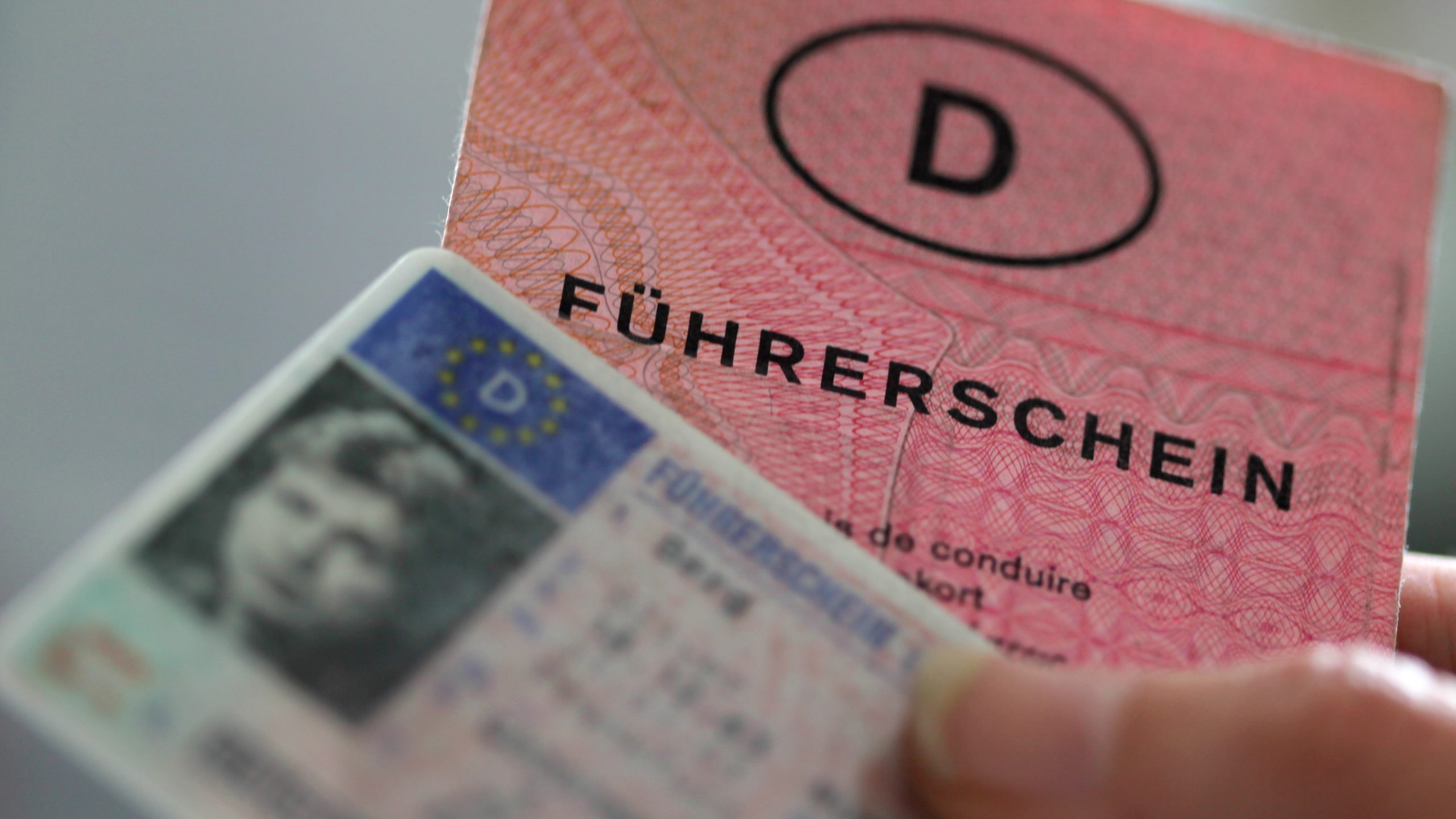
Acquiring a German driving license involves a systematic process of education, screening, and legal compliance. For both locals and visitors, comprehending these actions can assist in smoother navigation through Germany's impressive roadway systems. Whether you are a brand-new homeowner or a returning traveler, holding a legitimate German driving license opens up vast chances in both individual and professional spheres.
By following this guide, individuals can prepare efficiently for the challenges and requirements associated with acquiring their German driving license. Driving in Germany not just boosts movement however likewise improves the experience of residing in one of Europe's a lot of vibrant countries.












