

Understanding Roofline Replacement: Essential Insights for Homeowners
Roofline replacement is a critical aspect of home maintenance that often gets overlooked till it's too late. A properly maintained roofline not only boosts the visual appeal of a home but also plays an essential role in general structural stability and energy performance. This post aims to offer property owners with a comprehensive understanding of roofline replacement, its value, the expenses included, and how to properly maintain it.
What is Roofline Replacement?
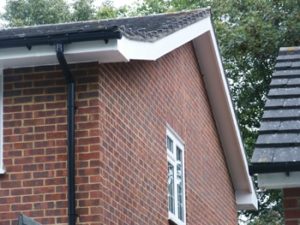
Roofline replacement describes the procedure of changing the roofline aspects of a building, including the fascia, soffits, bargeboards, and rain gutters. These elements are vital for directing water away from the structure, preventing water damage, and making sure appropriate ventilation in the attic area. Over time, these elements can deteriorate due to weather direct exposure, age, or pest infestations, requiring replacement.
Importance of Roofline Replacement
Avoiding Water Damage: A jeopardized roofline can result in leaks and water pooling, which can damage ceilings, walls, and insulation.
Enhancing Energy Efficiency: Properly installed and insulated rooflines assist in keeping optimum attic temperatures, reducing heating and cooling costs.
Suppress Appeal: An aesthetically attractive roofline can improve the overall aesthetic of the home, potentially increasing home value.
Pest Prevention: Replacing damaged roofline components avoids insects from getting in the home, keeping infestations at bay.
Improved Ventilation: Properly designed soffits and vents enable appropriate air flow in the attic, decreasing wetness accumulation.
Aspects that Influence Roofline Replacement Costs
When thinking about a roofline replacement, several aspects can influence the total expense. Here's a breakdown:
| Factor | Description | Cost Range |
|---|---|---|
| Type of Material | The option of materials (uPVC, wood, aluminum) impacts costs considerably. | ₤ 3 - ₤ 35 per linear foot |
| Labor Costs | Professional installation can vary based upon the contractor's proficiency. | ₤ 50 - ₤ 100 per hour |
| Size of House | Larger homes will naturally require more products and labor. | ₤ 1000 - ₤ 5,000 |
| Ease of access | Difficult-to-reach locations might incur extra costs for scaffolding. | Extra ₤ 200 - ₤ 800 |
| Condition | If existing structures need repair or reinforcement before replacement. | ₤ 300 - ₤ 2,000 |
Types of Roofline Materials
Picking the best product for your roofline is important for resilience and maintenance. Here's a list of typical materials and their qualities:
uPVC (Unplasticized Polyvinyl Chloride):
- Pros: Durable, low maintenance, rot-resistant, affordable.
- Cons: Color might fade over time.
Wood:
- Pros: Natural looks, great insulation properties.
- Cons: Requires regular maintenance, susceptible to rot and bugs.
Aluminum:
- Pros: Lightweight, corrosion-resistant, can be painted.
- Cons: More costly compared to uPVC.
Vinyl:
- Pros: Easy to set up, low maintenance, weather resistant.
- Cons: May end up being brittle in extreme temperatures.
Steps in the Roofline Replacement Process
Replacing the roofline is a multi-step process that ought to be managed by experts for the best results. Here's an overview of the common steps involved:
Assessment: Fascia And Gutter Replacement And Soffit And Fascia Replacement Experts (Https://Pad.Geolab.Space/S/F1N91Q_R1) Inspect the existing roofline for damage or wear.
Preparation: Clear the location around the home and established scaffolding if needed.
Removal: Carefully eliminate the old roofline components, guaranteeing no damage is triggered to the surrounding structure.
Installation: Install brand-new materials, making sure correct sealing and alignment.
Completing Touches: Paint or complete the new roofline components if essential.
Evaluation: Conduct a final assessment to make sure whatever is properly installed and functional.
Often Asked Questions (FAQ)
1. How frequently should I change my roofline?
- Roofline components should be inspected every 5 years and changed when indications of wear or damage are apparent.
2. Can I change my roofline myself?
- While DIY projects are appealing, roofline replacement is frequently much better left to specialists due to safety concerns and technical proficiency needed.
3. How do I understand if my roofline requires replacing?
- Try to find indications of sagging, peeling paint, noticeable mold or mildew, and water stains inside the home.
4. What is the average lifespan of roofline products?
- uPVC: 20-30 years; Wood: 15-25 years; Aluminum: 30-50 years.
5. Does replacing the roofline increase my home's worth?
- Yes, a brand-new, well-kept roofline can improve curb appeal and boost home value.
Roofline replacement is a vital element of home maintenance that must not be ignored. By understanding the value of roofline components, their products, potential costs, and the replacement procedure, house owners can make informed choices to secure their investment. If the time has come to examine your roofline, do not hesitate to seek advice from with a professional to guarantee your home remains safe, efficient, and beautiful for years to come.












