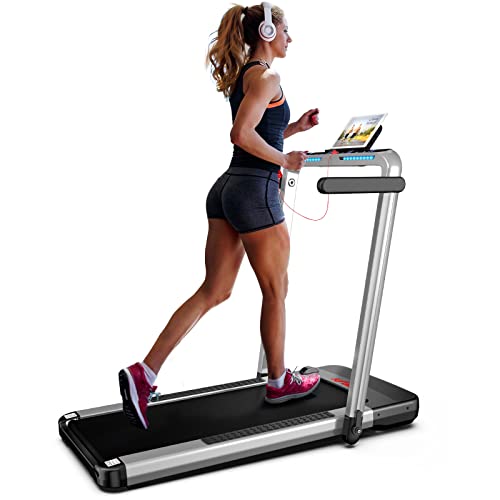
The Rise of Treadmill Non Electric: A Comprehensive Guide
In an age dominated by technology, where electric treadmills rule supreme in homes and fitness centers, the humble non-electric treadmill is taking its own niche. These simple yet efficient machines use an alternative for those looking for an environment-friendly, cost-effective, or minimalist workout alternative. This blog post explores the features, advantages, and considerations of non-electric treadmills, as well as practical use tips and comparisons to electric designs.
What is a Non-Electric Treadmill?
A non-electric treadmill, often referred to as a manual treadmill, runs with no electrical parts. Rather of a motor, these Treadmills In Uk count on the user's effort to move the running belt. The style is uncomplicated, frequently including a sturdy frame, running platform, and adjustable incline settings.
Advantages of Non-Electric Treadmills
Eco-Friendly: Without requiring electricity, manual treadmills are an ecologically friendly choice, lowering energy intake.
Cost-Effective: These treadmills are generally more cost effective than their electric counterparts, providing an economical alternative for physical fitness enthusiasts.
Portable: Many non-electric treadmills are lightweight and simple to move, making them appropriate for small spaces or for those who take a trip often.
Sturdiness: With fewer moving parts, non-electric treadmills can be more durable and require less upkeep over time.
Full-Body Workout: Users must engage their core and upper body for stability while walking or running, resulting in a more extensive workout.
Factors to consider When Buying a Non-Electric Treadmill
When shopping for a non-electric treadmill, numerous aspects should be taken into consideration:
| Feature | Factor to consider |
|---|---|
| Build Quality | Look for a durable frame and high-quality products. |
| Running Surface Size | Ensure the running belt is wide and enough time for your stride. |
| Weight Capacity | Check the optimum weight capacity to accommodate all users. |
| Adjustable Incline | An adjustable slope function adds variety and intensity to workouts. |
| Portability | If space is a concern, consider the ease of moving or saving the machine. |
| Cost | Balance your spending plan with the functions you want. |
Popular Types of Non-Electric Treadmills
Curved Manual Treadmills: Designed to simulate natural running patterns, these treadmills are curved and use the user's body weight to move the belt forward, making them appropriate for high-intensity workouts.
Flat Manual Walking Pad Treadmills: These are standard, flat designs that require users to press the belt with their feet. They typically feature adjustable inclines for diverse exercises.
Mini Treadmills: Compact and typically foldable, mini variations are great for home use, particularly for those with minimal area.
Leading Non-Electric Treadmill Models
| Model | Secret Features | Rate Range |
|---|---|---|
| Woodway Curve | Ergonomic style, curved surface, self-propelled | ₤ 4,000-₤ 6,000 |
| ProForm Carbon T10 | Adjustable slope, robust develop | ₤ 700-₤ 1,200 |
| Sunny Health & & Fitness | Compact, light-weight, budget-friendly | ₤ 200-₤ 400 |
| Endurance InMotion | Portable, easy storage | ₤ 150-₤ 300 |
How to Use a Non-Electric Treadmill
Utilizing a non-electric Motorised Treadmill might appear uncomplicated, however there are important tips to maximize its effectiveness:
Start Slow: If you are brand-new to using a manual Treadmill Non Electric (139.59.100.212), start with walking before advancing to running.
Maintain Proper Form: Keep your shoulders back, direct, and core engaged to prevent injury and aid with balance.
Adjust the Incline: Use the adjustable slope feature to add trouble and engage various muscle groups.
Stay Hydrated: As with any exercise, keep water nearby to remain hydrated throughout your regimen.
Produce a Schedule: Consistency is crucial for fitness. Develop a regimen that fits your way of life.
Regularly Asked Questions (FAQ)
1. Are non-electric treadmills efficient for weight loss?
Yes, non-electric treadmills can be extremely reliable for weight reduction, particularly when used consistently as part of a balanced fitness program that consists of both cardio and strength training.
2. How do I keep a non-electric treadmill?
Routine cleaning, looking for loose parts, and lubing the belt when essential can help preserve the treadmill.
3. Can I use a non-electric treadmill for HIIT exercises?
Definitely! The adjustable slope and self-propelling nature of lots of non-electric treadmills make them perfect for high-intensity period training (HIIT).
4. Just how much area do I require for a non-electric treadmill?
Area requirements can vary, however normally, you require a clear location that is at least 6 feet long and 3 feet broad for safe use.
5. Do I need unique shoes to utilize a non-electric treadmill?
While you don't require special footwear, using helpful athletic shoes will assist prevent discomfort and injury.
Non-electric treadmills are making a noteworthy resurgence as individuals look for sustainable and economical physical fitness solutions. They offer an excellent opportunity for users to participate in a full-body workout, preserve control over their fitness journey, and contribute favorably to the environment. Whether you're an experienced athlete or a beginner, incorporating a non-electric treadmill into your regimen can assist you reach your physical fitness objectives while enjoying the simplicity and versatility these makers use.