

The Ultimate Guide to Remote Key Programming: Technology, Methods, and Maintenance
The advancement of vehicle technology has transformed the simple car key from an easy piece of milled metal into a sophisticated electronic device. Modern cars depend on remote key fobs and wise secrets not just for benefit however as a primary layer of security. Remote Key Programming (view site…) is the vital process of syncing these electronic devices with a lorry's onboard computer system. Understanding the subtleties of this technology is crucial for any car owner, vehicle lover, or technician.
The Science Behind Remote Key Programming
At its core, remote key programming includes the synchronization of a Radio Frequency Identification (RFID) chip or a Bluetooth module within the key fob to the car's Electronic Control Unit (ECU). When a button is pressed or a proximity sensor is set off, the key sends out a distinct encrypted signal to the car.

Modern systems use "rolling codes" for improved security. This implies that whenever the remote is utilized, both the key and the car create a brand-new digital code for the next usage. This prevents "code grabbing," where a burglar may intercept a static signal to open the car later on. If the synchronization between the key and the ECU is lost-- whether due to a dead battery, a hardware breakdown, or a system reset-- the key must be reprogrammed to re-establish this safe and secure link.
Common Types of Remote Keys
Before delving into the programming procedure, it is essential to identify in between the various types of secrets discovered in the market today.
Table 1: Comparison of Modern Vehicle Key Types
| Key Type | Description | Primary Method of Operation | Security Level |
|---|---|---|---|
| Traditional Remote Head | A physical key blade with buttons on the plastic head. | Physical ignition turn + Radio Frequency (RF) | Moderate |
| Transponder Key | A key with a hidden RFID chip; might not have buttons. | Proximity to ignition coil + Physical turn | High |
| Smart Key/ Proximity Fob | No physical blade used for starting; button-less entry. | Keyless Start/ Push-to-Stop | Very High |
| Flip Key (Switchblade) | A physical blade that folds into a remote housing. | Physical ignition turn + RF buttons | Moderate/High |
Methods of Remote Key Programming
The intricacy of programming a key differs significantly depending upon the lorry's make, model, and year. Typically, there are 3 primary avenues for programming a remote.
1. On-Board Programming (DIY)
Many vehicles manufactured in the late 1990s through the mid-2010s permit "on-board programming." This method requires no special tools and involves a series of actions performed by the chauffeur within a particular timeframe. Common actions include:
- Cycling the ignition from "Off" to "Run" a particular variety of times.
- Opening and closing the driver-side door.
- Pressing the lock/unlock buttons in a specific rhythm.
While economical, this technique is ending up being increasingly uncommon as manufacturers approach more secure, encrypted systems.
2. OBD-II Port Programming
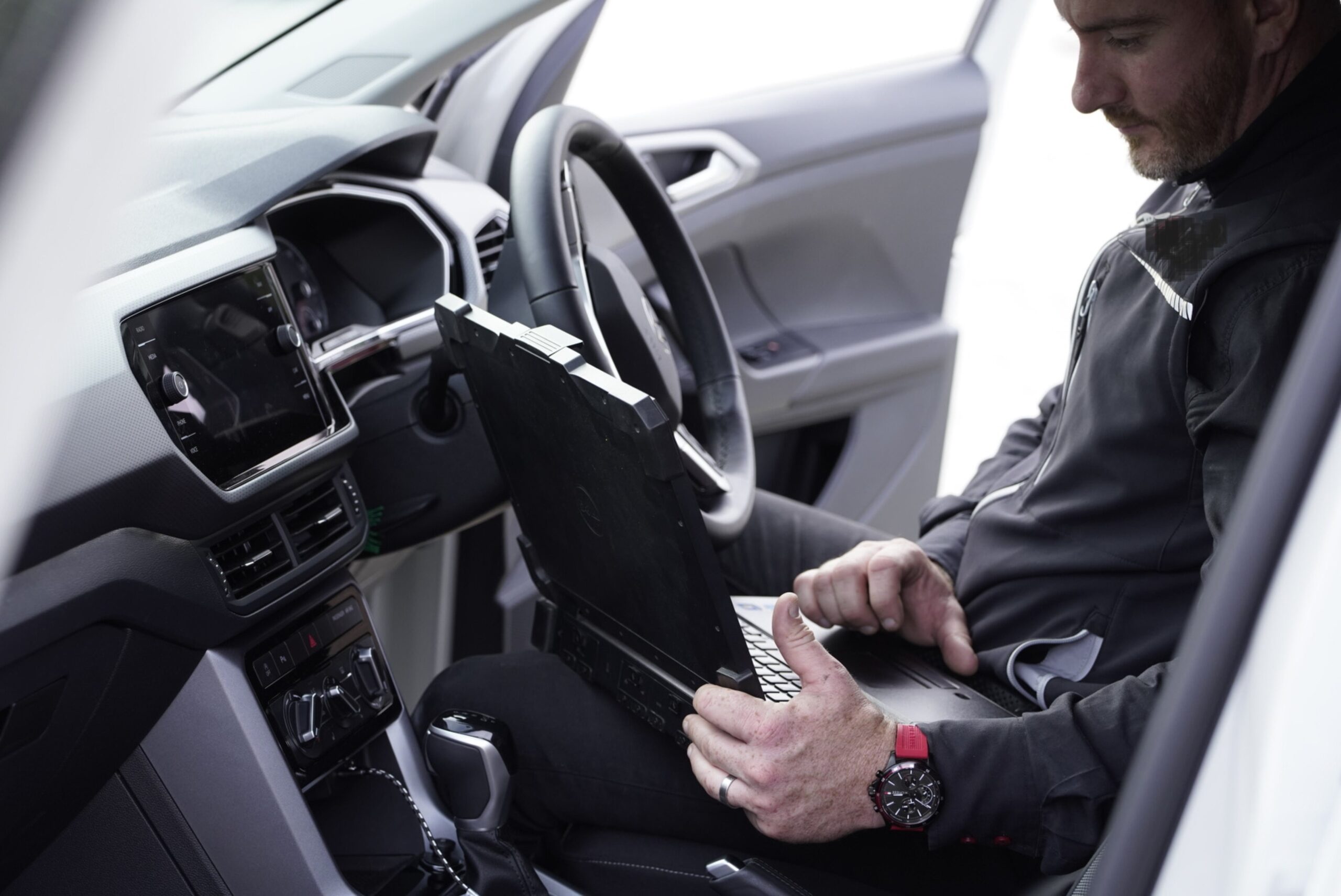
A lot of contemporary lorries require a specialized diagnostic tool linked to the On-Board Diagnostics (OBD-II) port. Professional locksmiths and service technicians use these tools to bypass the automobile's security entrance and manually include a brand-new key ID to the ECU's memory. This method is extremely reputable and is needed for the majority of European and late-model American vehicles.
3. Key Cloning
Key cloning is a various approach where a technician checks out the information from an existing, working key and copies it onto a blank "clonable" chip. The car does not really know a brand-new key has actually been included; it just thinks the initial key is being used. This is often a much faster solution however does not work for all "smart" systems.
Table 2: Programming Method Comparison
| Approach | Average Cost | Difficulty | Requirements | |||
|---|---|---|---|---|---|---|
| On-Board (DIY) | ₤ 0 - ₤ 20 (for the key) | Low | Existing keys/Proper series | |||
| OBD-II Professional | ₤ 100 - ₤ 300 | High | Programming hardware & & Software Dealership Programming ₤ 150 | -₤ 500 Extremely High Proof of ownership &| Proprietary tools Cloning ₤ 50-₤ 150 Moderate An initial | working key The Essential Tools for Professional | |
| Programming For those seeking to comprehend the professional | side of the market, a number of specific tools are needed |
to handle the wide selection of modern-day car security procedures. Typical tools utilized by automobile locksmith professionals include: Transponder Programmers: Specialized tablets (like Autel or Xhorse )that user interface with the ECU. Key Cutters: High-precision CNC makers that
cut physical blades based upon"key codes."EEPROM Readers:
- Tools utilized to check out information straight from a circuit board if the OBD-II port is locked or the car has a"Lost All Keys "scenario
- . Frequency Testers: Devices that make sure the remote is in fact relaying a signal at the correct frequency(usually315MHz or 433MHz ). Factors for Programming Failure Not every programming attempt achieves success. There are a number of factors that can disrupt
- the synchronization procedure. Understanding these can save vehicle owners significant time and frustration. Typical Troubleshooting Checklist: Incorrect Frequency: A remote that looks similar to the original may operate on a different frequency planned for another region or model year. Battery Voltage: If the key fob battery or the car battery is low, the programming sequence may stop working mid-way. Maximum Key Limit: Most ECUs have a limitation on the number of keys can be set
- (generally 4 to 8). If the limit is reached, old keys should be deleted before brand-new ones can be added. Aftermarket Quality: Cheap, non-OEM (Original Equipment Manufacturer)secrets discovered online typically have actually"locked"or poor-quality chips that the automobile's computer system declines to recognize. Security Lockout: Repeated failed attemptscan activate a security lockout, needing a"cool-down "period where the car should sit with the ignition on for 10-20 minutes. Often Asked Questions(FAQ)1. Can a used key fob be reprogrammed to another car? It depends upon the brand name. For many vehicles(like older Ford or GM), a used fob can be cleared and reprogrammed. However, numerous "Smart Keys" (like those for Lexus, BMW, or Chrysler) "lock"to a car's
- VIN as soon as set and can not be recycled without a specialized "opened "or"reflashed "chip. 2. Is it possible to configure a key if all original keys are lost? Yes, however the procedure is more complicated and
expensive. A service technician needs to reset
the automobile's immobilizer system and"flash "new information into the
ECU. This frequently needs evidence of ownership and a more advanced diagnostic tool. 3. The length of time does the remote key programming procedure take? On-board DIY techniques generally take less than five minutes. Expert OBD-II programming typically takes between 15 and 45 minutes, depending on the security bypass time needed by the lorry's software application. 4. Why do car dealerships charge a lot more than locksmith professionals?
Dealers have high overhead expenses and normally just utilize costly OEM parts. They likewise follow stringent maker protocols. Independent vehicle locksmith professionals typically use the same technology but have lower overhead and access to high-quality aftermarket alternatives. 5. Will replacing the battery in a key fob erase the programming? In 95 %of vehicles, no. The programming is saved in a non-volatile memory chip that does not require power to maintain information. Nevertheless, some older European models may need a fast" resync"(generally including
holding a button while turning the key)after a battery change
. Remote key programming is a bridge in between mechanical security and modern-day software engineering. While the benefit of keyless entry and push-to-start systems is indisputable, these systems require exact upkeep and professional knowledge when things fail.
Whether a driver is aiming to add a spare key for a brand-new driver or
is dealing with a"lost all secrets "emergency, understanding the innovation and the choices readily available-- from DIY series to expert OBD-II intervention-- makes sure a smoother experience and a more safe lorry. For the very best outcomes, vehicle owners are motivated to keep at least one working spare key at all times, as programming a secondary key is substantially cheaper and easier than starting from scratch after all secrets have been lost.
- . Frequency Testers: Devices that make sure the remote is in fact relaying a signal at the correct frequency(usually315MHz or 433MHz ). Factors for Programming Failure Not every programming attempt achieves success. There are a number of factors that can disrupt












