

A Comprehensive Guide to Soffit Board Repair
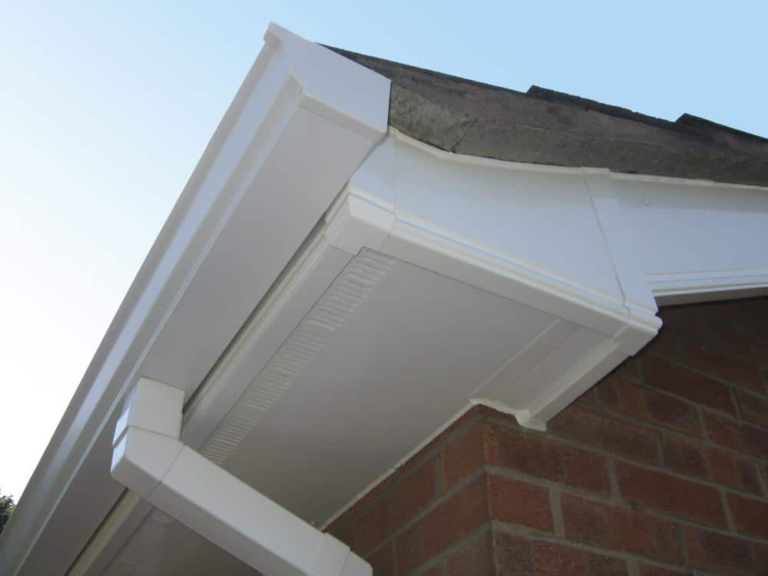
Soffit Board Repair boards are a vital yet often overlooked part of your home's exterior. They cover the underside of eaves, offering ventilation and security from the elements. However, like any part of a structure, they can experience damage over time due to rot, pests, or severe climate condition. This blog site post will information efficient approaches for repairing soffit boards, indications of damage to view for, and best practices for making sure a lasting repair.
Comprehending Soffit Board Damage
The primary step to repairing soffit boards is recognizing the signs of damage. Typical indicators include:
- Visible Rot: Dark, mushy areas on the soffit suggest wetness damage.
- Gaps and Cracks: Cracks or gaps may enable bugs to enter your home or increase the risk of water damage.
- Peeling Paint: Paint that is flaking or bubbling suggests moisture is trapped underneath.
- Insect Infestation: Sightings of bugs or nests within or around the soffit can suggest a point of entry or damage.
Damage Causes and Prevention
Numerous elements can cause Soffit And Cladding board damage:
| Cause | Description |
|---|---|
| Moisture | Poor insulation or lack of ventilation results in condensation. |
| Bugs | Termites, carpenter ants, and other pests can weaken wood structures. |
| Weather | Extreme temperature levels, heavy rain, and snow can weaken materials gradually. |
| Poor Installation | Incorrect installation may cause gaps, enabling water and pests to enter. |
To avoid damage, ensure appropriate ventilation is set up, routinely check your roofing and eaves, and keep a dry environment in your attic.
Repairing Soffit Boards
Fixing soffit boards usually includes three steps: examining the damage, performing the repair, and preventing future problems. Here is a detailed guide to each phase:
Step 1: Assessing the Damage
To commence the repair procedure, homeowners need to:
- Conduct a Visual Inspection: Look for indications of damage or bug activity.
- Examine for Moisture: Use wetness meters to find wetness in the soffit.
- Test Structural Integrity: Gently poke the wood with a screwdriver or similar tool. If it feels soft or falls apart, it might need replacement.
Action 2: Performing the Repair
Depending upon the level of the damage, repairs may vary. Here are numerous approaches to think about:
Minor Repairs
For small fractures and holes, you can:
- Clean the Area: Remove particles, loose paint, or dirt from the damaged area.
- Apply Wood Filler: Use wood filler or epoxy to fill in fractures. Follow the producer's instructions for application and drying time.
- Sand and Paint: Once dry, sand the location smooth and repaint to match the existing color.
Major Repairs
For substantial damage, you might need to change the soffit. Here's how:
Gather Materials: You will need Replacement Soffit Boards (reference), nails or screws, a crowbar, and a saw.
Material Purpose Soffit Boards To change broken areas Nails/Screws To secure the brand-new boards Crowbar To get rid of old boards Saw To cut boards to size Get Rid Of Damaged Sections: Use a crowbar to thoroughly detach the harmed soffit board from the structure.
Cut New Boards: Measure and cut the replacement boards to fit comfortably in the space.
Install New Boards: Secure them into place with screws or nails, guaranteeing they are flush with the surrounding structure.
Seal Joints: Use caulking to seal any joints or spaces to prevent future wetness infiltration.
Step 3: Preventing Future Issues
After repairs are made, consider these Roofline Maintenance ideas:
- Inspect soffit boards a minimum of once a year.
- Make sure attic ventilation is sufficient to prevent moisture accumulation.
- Trim trees or bushes to prevent particles build-up on the roofing system.
Often Asked Questions
1. How can I inform if my soffit boards need repair?
Look for indications of rot, noticeable spaces, peeling paint, or indications of insects. A general inspection every six months can help catch problems early.
2. Can I repair soffit boards myself?
Yes, minor repairs can frequently be dealt with by a DIY enthusiast. Nevertheless, for comprehensive damage, working with a professional might be suggested to guarantee proper strategies and durability.
3. How long does a repair take?
Minor repairs can take a few hours, while total replacements might take a weekend depending upon the size of the project and skill level.
4. What products are recommended for soffit boards?
Typical products include vinyl, aluminum, and wood. Vinyl is extremely suggested due to its durability and low maintenance.
5. Should I paint new soffit boards?
If you choose wood or a material that requires painting, guarantee you use weather-resistant paint to extend the life expectancy of your repair.
Fixing soffit boards is an essential part of home maintenance that can assist avoid pricey concerns down the line. By comprehending the causes of damage and acquainting oneself with the repair procedure, homeowners can efficiently preserve this important part of their homes. Routine examinations and maintenance can keep your soffits in prime condition, guaranteeing lasting defense and appeal.












