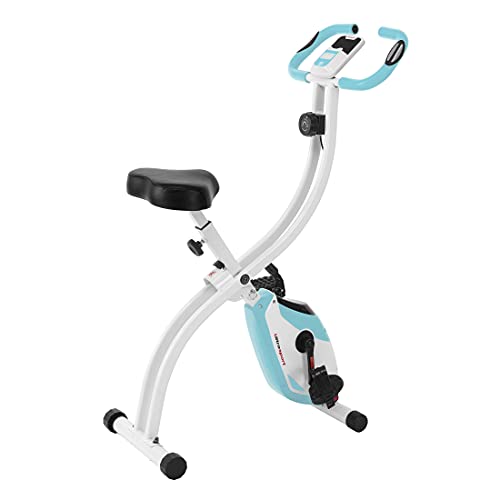
The Comprehensive Guide to Exercise Bikes: A Pathway to Fitness
In the realm of fitness, exercise bikes have actually carved a sought after specific niche, combining benefit with efficiency for enthusiasts and novices alike. Whether one is seeking to lose weight, construct endurance, or simply remain active, the stationary bicycle provides a versatile and effective exercise. This post dives deep into the world of exercise bikes, discussing their advantages, types, essential features, and pointers for maximizing workouts. Furthermore, an FAQ section addresses typical inquiries for anybody thinking about investing in this fitness equipment.
The Benefits of Using an Exercise Bike
exercise bike review bikes offer a huge selection of benefits that accommodate various fitness levels and goals. A few of the notable advantages consist of:
- Low Impact on Joints: Cycling is gentle on the joints, making it an ideal exercise for people with joint concerns or arthritis.
- Cardiovascular Health: Regular usage enhances heart health by increasing cardiovascular endurance and promoting better blood circulation.
- Weight Management: A consistent biking routine can support weight reduction and management by burning substantial calories.
- Convenience: Exercise bikes provide the versatility to work out in the house, removing the need for gym journeys.
- Modification of Workouts: Many models come equipped with programmable functions, enabling users to personalize exercises based on their goals and fitness levels.
Table 1: Benefits of Using an Exercise Bike
| Advantage | Description |
|---|---|
| Low Impact | Mild on joints, ideal for all physical fitness levels. |
| Cardiovascular Health | Improves heart function and blood circulation. |
| Weight Management | Help in burning calories for weight-loss. |
| Convenience | Enables exercises from the comfort of home exercise bike. |
| Customization | Many designs provide programmable workout functions for customized regimens. |
Kinds Of Exercise Bikes
When considering a stationary bicycle, it's crucial to comprehend the numerous types available. Each type has its special features and benefits:
- Upright Bikes: Resembling traditional bicycles, these bikes engage the core and upper body while concentrating on the legs.
- Recumbent Bikes: These bikes feature a reclining seat that offers back assistance, making them perfect for people with back issues.
- Spin Bikes: Designed for high-intensity workouts, spin bikes have a much heavier flywheel and permit standing while pedaling.
- Air Bikes: These bikes use air resistance; the more difficult you pedal, the greater the resistance, promoting a full-body workout.
Table 2: Types of Exercise Bikes
| Type | Description | Ideal For |
|---|---|---|
| Upright | Standard bike posture, engaging core and legs. | General fitness enthusiasts. |
| Recumbent | Supports the back, ideal for those with pain. | People with back problems. |
| Spin | Heavy flywheel for high-intensity, standing exercises. | Severe bicyclists and professional athletes. |
| Air | Uses air resistance; promotes full-body exercises. | High-intensity training applicants. |
Key Features to Consider
When choosing an exercise cycle bike bike, a number of essential functions should be considered to ensure you make a notified decision:
- Adjustability: Look for bikes with adjustable seats and handlebars to guarantee a comfortable fit.
- Resistance Type: Bikes may use magnetic, air, or friction resistance. Think about which type lines up with your workout choices.
- Monitoring Features: Features such as heart rate displays, calorie counters, and exercise programs can improve your cycling experience.
- Mobility: If space is a concern, select a bike that is compact and easy to move.
- Guarantee and Support: Ensure the bike features a good exercise bike service warranty and consumer assistance for peace of mind.
Table 3: Key Features of Exercise Bikes
| Feature | Importance |
|---|---|
| Adjustability | Important for convenience and appropriate type during exercises. |
| Resistance Type | Impacts workout intensity; select based on individual objectives. |
| Tracking | Assists track progress and maintain inspiration. |
| Mobility | Essential for little spaces; simple to move or store. |
| Service warranty | Supplies guarantee relating to the bike's durability. |
Tips for Maximizing Your Workout on an Exercise Bike
To get the most out of your exercise bike sessions, think about the following tips:
- Warm-Up Properly: Just as with any exercise, beginning with a warm-up is vital. Invest 5-10 minutes biking at a low intensity.
- Differ Intensity: Incorporate periods by alternating in between low and high resistance. This method can improve cardiovascular fitness and calorie burn.
- Preserve Proper Form: Keep your back directly and core engaged while biking. Avoid leaning forward exceedingly to avoid pressure.
- Hydrate: Keep water close-by and guarantee you stay hydrated throughout your exercise.
- Track Progress: Use the bike's tracking functions to track your heart rate, range, and calories burned. This can assist you set objectives and stay encouraged.
Regularly Asked Questions (FAQ)
1. How frequently should I utilize an exercise bike?
For optimum results, go for a minimum of 150 minutes of moderate-intensity cycling weekly. This can be broken down into workable sessions of thirty minutes, five days a week.
2. Can I lose weight utilizing a stationary bicycle?
Yes, regular and intense biking can help in weight loss by burning calories and enhancing metabolism. Combine your workouts with a well balanced diet plan for the finest outcomes.
3. What is the distinction in between upright and recumbent bikes?
Upright bikes simulate traditional bicycle positioning, engaging the core and upper body, while recumbent bikes use a helpful seat, decreasing stress on the back and supplying a much easier ride.
4. Are stationary bicycle suitable for newbies?
Definitely! Exercise bikes can be gotten used to fit different fitness levels. Beginners can start at lower resistance and gradually increase strength as they build strength and endurance.
5. How do I preserve my stationary bicycle?
Regularly examine and tighten bolts, clean the bike after usage, and oil moving parts as needed. Follow the maker's upkeep recommendations for specific care guidelines.
Stationary bicycle are a versatile tool for anyone wanting to improve their fitness journey. By comprehending the different types, key features, and ideal use tips, people can choose the best bike and optimize their workouts efficiently. Whether utilized for leisurely biking or extreme training, a stationary bicycle can provide a strong foundation for a much healthier way of life. So, consider getting on a stationary bicycle and pedaling your method to much better health!