

Eaves Replacement: A Comprehensive Guide
When it comes to preserving the integrity and aesthetics of a home, eaves play an essential function. Likewise referred to as eavestroughs or rain gutters, these structures guide rainwater far from the roofing and foundation, preventing water damage and mold development. Over time, these necessary fittings can wear down, leading to the need for eaves replacement. This article will supply an extensive look at eaves replacement, including why it's required, how to select the ideal products, the replacement procedure, and regularly asked concerns.
Why is Eaves Replacement Necessary?
Eaves are not just a decorative feature; they serve protective functions. If ignored, a stopping working eaves system can cause numerous issues, such as:
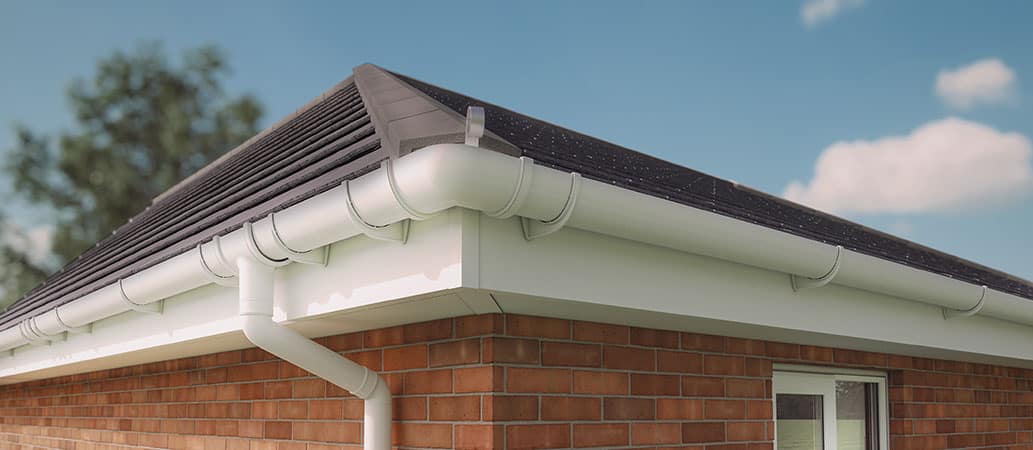
- Water Damage: Overflowing seamless gutters can trigger water to leak into the foundation, resulting in fractures and leakages.
- Mold Growth: Water can accumulate in areas around the eaves, creating an environment conducive to mold and mildew.
- Pest Infestation: Blocked or damaged eaves can end up being a nesting ground for insects, consisting of pests and rodents.
- Visual Degradation: Over time, old or broken eaves can interfere with the general appearance of a home.
Indications Your Eaves Need Replacement
Identifying the indications that your eaves need to be replaced is the initial step in preserving a healthy home. Here are some key indications:
| Sign | Description |
|---|---|
| Fractures or Holes | Noticeable damage or deterioration affecting functionality. |
| Rust or Corrosion | Particularly in metal eaves, rust shows a requirement for replacement. |
| Peeling Paint | Shows wetness retention, causing decay and prospective leakages. |
| Water Overflow | Water spilling over the edges during rainfall signals blockages or damage. |
| Drooping or Detached Eaves | A sign of structural failure or incorrect installation. |
Picking the Right Eaves Material
When changing eaves, the option of products is essential. Various products offer numerous benefits and downsides. Here's a comparison of the most common eaves products:
| Material Type | Advantages | Disadvantages | Approximated Cost per Linear Foot |
|---|---|---|---|
| Aluminum | Lightweight, rust-resistant, Soffit And Fascia Services offered in various colors | Can damage quickly, particularly in hail-prone areas | ₤ 3 - ₤ 6 |
| Vinyl | Affordable, lightweight, and resistant to rust | Minimal color alternatives Fascia And Soffit Repair can become brittle in severe cold | ₤ 2 - ₤ 5 |
| Copper | Appealing, long-lasting, and establishes a patina gradually | Pricey and might require specialized installation | ₤ 15 - ₤ 25 |
| Steel | Strong and resilient, ideal for heavy rains | Prone to rust if not appropriately covered | ₤ 5 - ₤ 10 |
The Eaves Replacement Process
Changing eaves involves several steps, whether property owners select to do it themselves or work with a professional. Here's a general summary of the procedure:
1. Assessment and Assessment
- Analyze the current eaves for damage.
- Figure out the length and size of eaves required.
2. Selecting New Eaves
- Choose the product that best suits your requirements, taking into account climate, spending plan, and looks.
3. Installation Preparation
- Collect necessary tools: ladder, determining tape, saw, screws, and brackets.
- Make sure the workspace is safe and clear.
4. Elimination of Old Eaves
- Carefully separate old eaves from your home, ensuring to avoid damaging the roof or siding.
5. Installation of New Eaves
- Measure and cut brand-new eaves to size.
- Secure the brand-new eaves in location, guaranteeing they slope toward downspouts for efficient drainage.
6. Final Check
- Check the installation to guarantee everything is secure and functional.
- Check the system by running water through the eaves to look for leaks or blockages.
Maintenance Tips for Eaves
To extend the life of your new eaves, routine maintenance is necessary. Here's a list of useful ideas:
- Clean Regularly: Remove leaves, debris, and dirt from eaves and downspouts a minimum of twice a year, more frequently if near trees.
- Check for Damage: Regularly look for signs of wear and tear, especially after severe weather.
- Seal Leaks: If you see any leaks, utilize a sealant specifically designed for seamless gutters to avoid further damage.
- Consider Guards: Installing gutter guards can assist decrease debris accumulation and reduce maintenance needs.
Regularly Asked Questions (FAQ)
Q1: How often should eaves be changed?
A1: Typically, eaves ought to be changed every 15-30 years, depending upon the material and local climate conditions.
Q2: Can I replace my eaves myself?
A2: Yes, if you come in handy and have the right tools, eaves replacement can be a DIY project. However, working with a professional makes sure correct installation Fascia And Soffit Maintenance ideal performance.
Q3: How can I avoid ice dams in the winter season?
A3: Ensure your eaves are appropriately insulated and ventilated to avoid heat loss, which adds to ice dam formation.
Q4: What is the very best time of year to replace eaves?
A4: Late spring or early fall is perfect, as the weather condition is milder, making installation much easier and more secure.
Q5: How do I understand if my eaves are effectively sloped?
A5: A correct slope must have a drop of about 1 inch for every single 10 feet of eaves. Use a level or determining tape to inspect the angle.
Eaves Fascia Replacement is an essential maintenance task that secures your home from water damage, mold, and bugs. By understanding when replacement is necessary, selecting the best materials, carrying out the Replacement Soffit Boards process properly, and devoting to regular maintenance, property owners can considerably extend the life of their eaves and keep a safe, stunning living environment. If you're not sure about your eaves' condition or the replacement process, consider consulting a professional to assist you in making the very best decision for your home.












