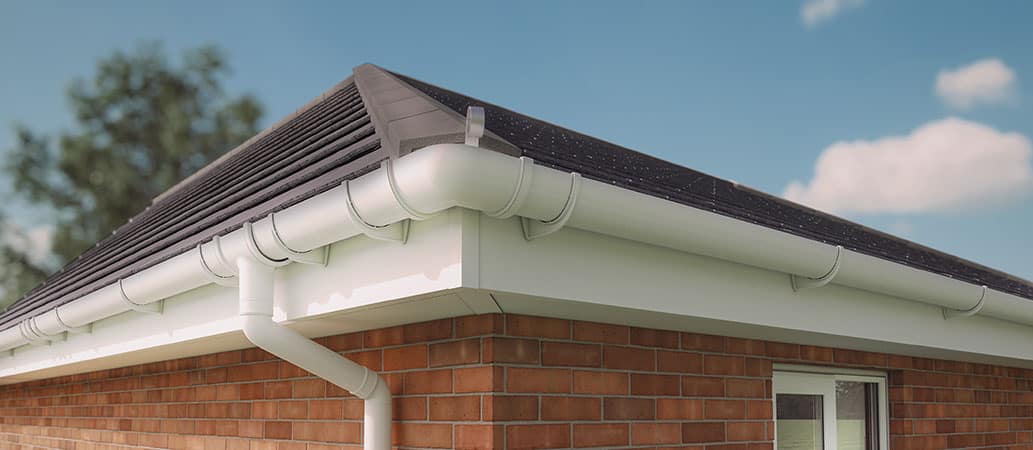
Eaves Replacement: A Comprehensive Guide
When it concerns keeping the integrity and looks of a home, eaves play a crucial role. Also called eavestroughs or gutters, these structures guide rainwater far from the roof and foundation, preventing water damage and mold growth. Over time, these essential fittings can wear down, resulting in the requirement for eaves replacement. This blog post will provide a thorough take a look at eaves replacement, including why it's essential, how to select the ideal materials, the replacement procedure, and frequently asked concerns.
Why is Eaves Replacement Necessary?
Eaves are not simply an ornamental function; they serve protective functions. If disregarded, a stopping working eaves system can result in many concerns, such as:
- Water Damage: Overflowing seamless gutters can trigger water to permeate into the foundation, leading to cracks and leakages.
- Mold Growth: Water can collect in locations around the eaves, creating an environment conducive to mold and mildew.
- Insect Infestation: Blocked or damaged eaves can end up being a nesting ground for pests, including bugs and rodents.
- Aesthetic Degradation: Over time, old or damaged eaves can detract from the general appearance of a home.
Indications Your Eaves Need Replacement
Identifying the signs that your eaves need to be changed is the first action in keeping a healthy home. Here are some crucial indicators:
| Sign | Description |
|---|---|
| Cracks or Holes | Noticeable damage or deterioration impacting functionality. |
| Rust or Corrosion | Especially in metal eaves, rust indicates a requirement for replacement. |
| Peeling Paint | Shows wetness retention, leading to decay and possible leakages. |
| Water Overflow | Water spilling over the edges throughout rains signals clogs or damage. |
| Drooping or Detached Eaves | An indication of structural failure or improper installation. |
Selecting the Right Eaves Material
When changing eaves, the choice of products is important. Various products offer numerous benefits and drawbacks. Here's a comparison of the most typical eaves materials:
| Material Type | Benefits | Drawbacks | Estimated Cost per Linear Foot |
|---|---|---|---|
| Aluminum | Lightweight, rust-resistant, and available in numerous colors | Can dent easily, particularly in hail-prone locations | ₤ 3 - ₤ 6 |
| Vinyl | Affordable Soffit Replacement, light-weight, and resistant to rust | Limited color alternatives and can end up being brittle in extreme cold | ₤ 2 - ₤ 5 |
| Copper | Appealing, lasting, and establishes a patina with time | Expensive and might need specific installation | ₤ 15 - ₤ 25 |
| Steel | Strong and resilient, perfect for heavy rains | Prone to rust if not effectively covered | ₤ 5 - ₤ 10 |
The Eaves Replacement Process
Replacing eaves includes numerous actions, whether property owners pick to do it themselves or work with a professional. Here's a general overview of the process:
1. Examination and Assessment
- Take a look at the current eaves for damage.
- Figure out the length and size of eaves required.
2. Choosing New Eaves
- Select the product that best fits your needs, taking into consideration environment, budget plan, and looks.
3. Installation Preparation
- Collect needed tools: ladder, determining tape, saw, screws, and brackets.
- Ensure the work area is safe and clear.
4. Removal of Old Eaves
- Thoroughly detach old eaves from your house, making certain to avoid damaging the roofing system or siding.
5. Installation of New Eaves
- Procedure and cut new eaves to size.
- Secure the brand-new eaves in place, ensuring they slope toward downspouts for effective drainage.
6. Last Check
- Check the installation to ensure everything is protected and practical.
- Check the system by running water through the eaves to look for leakages or clogs.
Maintenance Tips for Eaves
To extend the life of your brand-new eaves, Fascia And Soffit Company And Soffit Installation Company (dean-damsgaard-4.blogbright.net) regular maintenance is important. Here's a list of handy tips:
- Clean Regularly: Remove leaves, debris, and dirt from eaves and downspouts a minimum of twice a year, more frequently if near trees.
- Examine for Damage: Regularly look for signs of wear and tear, especially after extreme weather condition.
- Seal Leaks: If you see any leakages, use a sealant particularly designed for seamless gutters to prevent additional damage.
- Consider Guards: Installing gutter guards can assist minimize particles buildup and lower maintenance needs.
Frequently Asked Questions (FAQ)
Q1: How typically should eaves be changed?
A1: Typically, eaves need to be changed every 15-30 years, depending on the material and regional climate conditions.
Q2: Can I change my eaves myself?
A2: Yes, if you come in handy and have the right tools, eaves replacement can be a DIY task. However, employing a professional guarantees appropriate installation and optimum performance.
Q3: How can I prevent ice dams in the winter season?
A3: Ensure your eaves are appropriately insulated and ventilated to avoid heat loss, which adds to ice dam development.
Q4: What is the best time of year to change eaves?
A4: Late spring or early fall is perfect, as the weather condition is milder, making installation simpler and safer.
Q5: How do I know if my eaves are properly sloped?
A5: A proper slope must have a drop of about 1 inch for every single 10 feet of eaves. Utilize a level or measuring tape to inspect the angle.
Eaves replacement is an essential maintenance job that protects your home from water damage, mold, and pests. By understanding when replacement is necessary, selecting the best products, carrying out the replacement process correctly, and devoting to regular maintenance, house owners can considerably extend the life of their eaves and maintain a safe, stunning living environment. If you're not sure about your eaves' condition or the replacement process, think about consulting a professional to assist you in making the best choice for your home.