

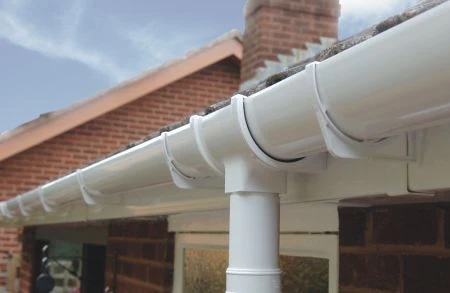
The Essential Guide to Gutter Downpipes: Importance, Types, and Maintenance
Gutter Protection downpipes play an essential role in a building's drainage system, directing rainwater securely from the roof to the ground or drainage system. They prevent water from pooling around the foundation of a structure, therefore lowering the danger of water damage, disintegration, and other moisture-related problems. This blog site post will look into the importance of gutter downpipes, the different types readily available, maintenance suggestions, and frequently asked questions.
Understanding Gutter Downpipes
Gutter downpipes, likewise understood as rainwater downspouts, are vertical pipelines that connect to a structure's gutter system. They act as channels for transferring rainwater collected by the roof and gutters to the ground or a drainage system. Effectively working downpipes guarantee that rainwater is effectively directed far from the foundation of a home or structure, securing it from prospective water damage.
Significance of Gutter Downpipes
Gutter downpipes are vital for numerous reasons:
Water Management: They effectively carry rainwater far from the roof, preventing overflow and possible flooding.
Structure Protection: By directing water away from the foundation, they decrease the risk of soil disintegration and structural damage.
Mold and Mildew Prevention: Consistent drainage helps avoid wet conditions that can result in mold and mildew growth.
Landscape Protection: Properly set up downpipes prevent water from pooling in landscaped locations, therefore protecting plant health.
Cost-Effectiveness: Preventing water damage through effective drainage can conserve house owners from costly repairs.
Types of Gutter Downpipes
Gutter downpipes come in various products, sizes, and designs. Here's an extensive table describing the different types:
| Type | Material | Pros | Cons | Ideal Use |
|---|---|---|---|---|
| Round | Aluminum | Light-weight, corrosion-resistant | May damage or bend quickly | Residential structures |
| Square | PVC | Cost-efficient, simple to set up | May end up being breakable with time | Commercial structures |
| Rectangular | Steel | Durable, strong | Prone to rust if not covered | Industrial settings |
| Custom | Copper | Visual appeal, lasts long | High initial cost | Luxury homes |
| Perforated | Vinyl | Light-weight, simple maintenance | Minimal flow capacity | Locations with splash zones |
Picking the Right Downpipe
When picking a downpipe, think about the following factors:
- Material: Choose a product that suits your climate and maintenance preferences.
- Size: The diameter of the downpipe should correspond to the size of the gutters to ensure efficient water circulation.
- Style: Consider the architectural design of your home or building to select a downpipe that matches its aesthetic.
- Local Regulations: Some locations have policies relating to drainage systems; check with local authorities before installation.
Maintenance of Gutter Downpipes
Correct maintenance of gutter downpipes guarantees their effective operation and durability. Here are some necessary maintenance tips:
Regular Inspections
- Frequency: Inspect downpipes at least twice a year, particularly throughout spring and fall.
- What to Look For: Check for blockages, rust, leaks, or any signs of physical damage.
Cleaning
- Clear Debris: Remove leaves, dirt, and other particles that can clog the downpipe. Special tools like a plumbing technician's snake or a pressure washer can be used.
- Flush with Water: After cleaning, flush the downpipe with water to guarantee it's clear and functioning effectively.
Repairing and Replacing
- Repair Holes: Small leaks can be repaired with sealants, but larger problems might require professional aid or complete replacement.
- Keep an Eye on Connections: Ensure that all connections in between the gutters and the downpipe, in addition to in between the downpipe and the drainage system, are secure.
Seasonal Preparation
- Winter Care: In areas that experience freezing temperature levels, consider insulating downpipes to avoid ice buildup and blockages.
- Debris Traps: Install guards or screens at the top of the downpipes to avoid particles from entering and causing blockages.
Frequently Asked Questions (FAQ)
1. How do I know if my gutter downpipes require cleaning?
If you notice water overflowing from the Rain Gutters or pooling around the foundation, your downpipes might be clogged and need cleaning.
2. Can I set up gutter downpipes myself?
While DIY installation is possible, it is a good idea to consult with a professional to guarantee appropriate positioning and connection with the drainage system.
3. What should I do if my downpipe is leaking?
First, inspect the connection points for any visible damage. If the leak persists, consider utilizing a sealant or speak with a professional for repairs.
4. How typically should I clean my gutter downpipes?
It is recommended to clean your gutter downpipes at least twice a year, Commercial Gutters or more typically if your home is surrounded by trees or debris.
5. Are there specific regulations for gutter downpipes?
Yes, local regulations might determine how water should be handled on your home. Talk to your city government for any specific requirements.
Gutter downpipes are an important part of a structure's drainage system, serving to effectively funnel rainwater far from the structure. Choosing the ideal type and keeping them appropriately can considerably minimize the threat of water damage, protect the foundation, and boost the total durability of your home. By understanding their value and adhering to routine maintenance, property owners can guarantee their property stays safe and dry for several years to come.












