

Understanding Gutter Downspouts: A Comprehensive Guide
Gutter Downspouts (https://pad.geolab.space/s/mPi2tN6ma) are a necessary element of any Roof Drainage system. Their main function is to direct rainwater far from the roof and structure of a building, preventing water damage and disintegration. Regardless of their important role, many homeowners ignore these structures, resulting in costly repairs and maintenance concerns. This article will delve into the value of gutter downspouts, their types, maintenance practices, and answers to regularly asked concerns.
What Are Gutter Downspouts?
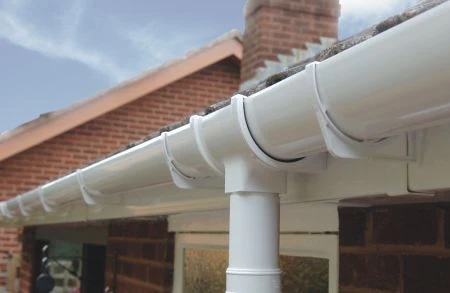
Gutter downspouts are vertical pipelines connected to the exterior of a building's Gutter Contractors system. They bring rainwater gathered by the gutters downward and far from the building's foundation. Appropriate installation and maintenance of downspouts are important for reliable water management, preventing water pooling around the foundation, which can trigger structural damage and mold growth.
Secret Functions of Gutter Downspouts
- Water Diversion: They prevent water from pooling around the structure and landscape.
- Protection: Downspouts shield the building from potential water damage, such as basement flooding and erosion.
- Looks: Available in various designs and colors, downspouts can enhance a building's curb appeal.
Types of Gutter Downspouts
Gutter downspouts can be found in various designs and materials, each with its pros and cons. Below is a contrast table of typically used downspout types:
| Type | Material | Pros | Cons |
|---|---|---|---|
| K-Style | Aluminum, Vinyl | Versatile, different sizes/colors | May dent easily (aluminum) |
| Round | Copper, Galvanized Steel | Durable, visual appeal | More expensive, more difficult to set up |
| Square | Vinyl, Aluminum | Modern appearance, simple installation | Restricted color alternatives |
| Rectangular | Aluminum | Efficient water circulation | Bulky appearance |
Installation of Gutter Downspouts
Installing downspouts efficiently is important for the overall performance of the gutter system. Here are the basic steps in the installation procedure:
- Choosing Location: Downspouts should be tactically positioned, generally at the corners of the structure or where the roof's pitch directs water.
- Measuring: Measure the height from the gutter to the ground to figure out the length of the downspout required.
- Cutting the Material: Depending on the type of material, cut the downspout to the proper length.
- Securing to the Gutter: Attach the downspout to the gutter utilizing brackets and screws.
- Extending Away from the Foundation: Ensure the downspout is directed far from the foundation, typically including extensions or splash blocks.
Maintenance of Gutter Downspouts
Regular Guttering Maintenance of downspouts is necessary to ensure they work efficiently. Below is a list of maintenance ideas:
- Regular Inspection: Check for blockages, rust, or damage a minimum of two times a year, particularly after heavy rainfall.
- Cleaning: Remove leaves, debris, and other obstructions from the downspouts. A plumbing professional's snake can assist if there's a persistent obstruction.
- Inspecting Attachments: Ensure that all brackets and screws are safe and secure and replace any rusted or broken parts.
- Inspecting Extensions: Ensure that downspout extensions are directing water far enough from the structure.
- Seasonal Checks: After winter, validate that no ice accumulation has taken place in the downspouts.
Common Downspout Problems
Downspouts are not without their concerns. Here are some typical issues and prospective solutions:
| Problem | Solution |
|---|---|
| Obstructions | Regular cleaning and use of a plumbing professional's snake. |
| Dripping | Replace harmed areas or seals. |
| Inappropriate drainage | Adjust the angle or include extensions. |
| Deterioration | Consider aluminum or vinyl options for longevity. |
FAQ about Gutter Downspouts
Q1: How typically should I clean my downspouts?
A1: It is recommended to tidy downspouts at least twice a year, preferably in the spring and fall. Nevertheless, if your home is surrounded by trees, more frequent cleaning might be required.
Q2: Can I install downspouts myself?
A2: Yes, with the right tools and products, installing downspouts can be a DIY task. Nevertheless, for those not sure about proper placement and installation, working with a professional is suggested.
Q3: What size downspouts do I require?
A3: The size of the downspouts should correspond to the size of the gutters. A common suggestion is a 2x3 inch downspout for K-style gutters and a 3x4 inch downspout for larger roof areas.
Q4: What are the very best materials for downspouts?
A4: Aluminum and vinyl are popular options due to their resistance to rust and ease of installation. Copper supplies a classic aesthetic but is more costly.
Q5: How can I tell if my downspouts are working correctly?
A5: During a rainstorm, observe the flow of water. If water flows easily down the downspouts and does not pool around the structure, they are most likely functioning properly.
Gutter downspouts play an important role in protecting a building from water damage. Comprehending their types, functions, and maintenance requirements can ensure that they perform effectively. Appropriate installation and routine maintenance can prevent pricey repairs, keeping homes safe and dry during rainy seasons. By dealing with typical issues and following the recommendations provided, homeowners can secure their residential or commercial properties against water-related problems.












