

The Ultimate Guide to Soffit Installation
Soffits are an essential part of a structure's roof, serving both functional and aesthetic functions. This article acts as a thorough guide to soffit installation, covering everything from products to installation methods. By the end, readers will have a strong understanding of the procedure, requirements, and best practices for installing soffits in property and industrial settings.
What is Soffit?
Soffit is a product used to cover the underside of a roof overhang or eave. It is normally set up between the Fascia And Gutter Replacement board and the exterior wall of a structure, offering ventilation, insulation, and a finished appearance. Soffits are readily available in numerous materials, consisting of wood, vinyl, aluminum, and fiber cement, each with its unique benefits and drawbacks.
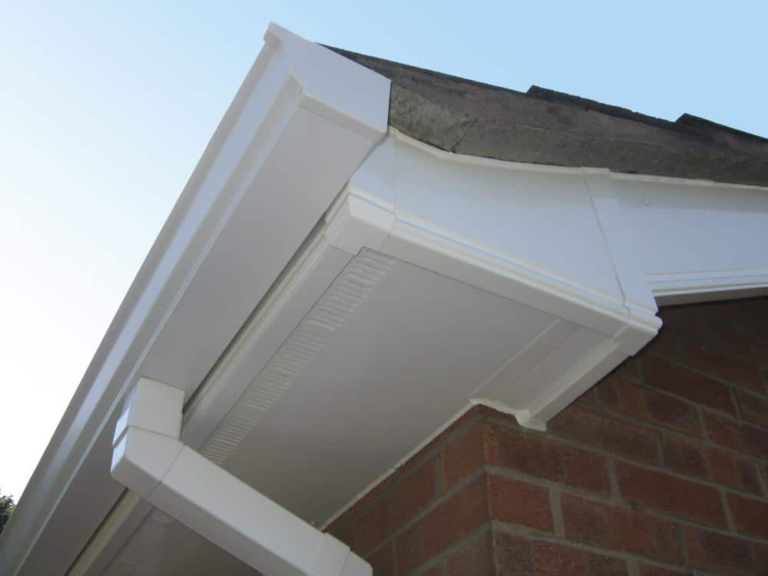
Value of Soffit Installation
- Ventilation: Properly set up soffits facilitate air flow in the attic, which assists control temperature level and prevent wetness buildup.
- Aesthetic Appeal: Soffits add to the overall look of a home, providing a clean and ended up appearance.
- Defense: Soffits protect the rafters and other structural elements from weather condition components, such as rain and snow.
- Insect Prevention: A well-installed soffit can prevent pests from going into the attic area.
Types of Soffit Materials
When thinking about soffit installation, it's important to select the appropriate product. The table below outlines the most typical materials used for soffits, along with their benefits and drawbacks.
| Product | Pros | Cons |
|---|---|---|
| Wood | Aesthetic appeal, versatile | Prone to rot and pests |
| Vinyl | Low maintenance, resistant to moisture | Minimal color choices |
| Aluminum | Long lasting, lightweight, rust-resistant | Can dent easily |
| Fiber Cement | Fire-resistant, low maintenance | Much heavier, may need customized tools |
Picking the Right Material
The option of soffit material often depends upon aspects such as spending plan, location, and personal preference. Property owners in damp climates might prefer vinyl or aluminum to combat moisture concerns, while those in dry locations may decide for wood for its visual qualities.
Tools and Equipment Needed for Installation
Before starting the installation process, it's vital to gather the required tools and equipment. Here's a list of typical tools needed for soffit installation:
- Measuring tape
- Level
- Utility knife
- Ladder
- Hammer
- Nails or screws
- Saw (circular or miter)
- Caulk and caulk gun
- Shatterproof glass
Actions to Install Soffit
Step 1: Measure and Cut
- Procedure the Area: Use determining tape to determine the length and width of the soffit location. Note any obstructions such as vents or lights.
- Cut the Soffit Panels: Roofline Replacement (new post from Bandsworksconcerts) Using an utility knife or Eaves Repair saw, thoroughly cut the soffit panels to the measured measurements.
Step 2: Install the Furring Strips
Furring strips are thin strips of wood or metal that develop a framework for attaching the soffit panels.
- Mark the Location: Use a level to mark the position for the furring strips along the edge of the eave.
- Connect the Strips: Secure the furring strips to the underside of the eave using screws or nails.
Action 3: Install Soffit Panels
- Position the First Panel: Start at one end of the eave and slide the first panel into the groove of the adjoining panel.
- Secure the Panel: Use screws or nails to attach the panel to the furring strips, guaranteeing they are uniformly spaced.
- Continue Installation: Repeat this process for subsequent panels, making sure that every one fits comfortably against the other.
Step 4: Finishing Touches
- Seal Gaps: Use caulk to seal any gaps in between the soffit and the wall or Fascia And Soffit.
- Paint or Finish: If relevant, paint or finish the soffit panels to match the outside of the home.
Maintenance Tips
- Routine Inspections: Conduct evaluations at least when a year to search for indications of damage or pests.
- Clean Debris: Remove leaves and particles from the soffit location to avoid moisture buildup.
- Check Vents: Ensure that any vents set up in the soffit are clear and working appropriately.
FREQUENTLY ASKED QUESTION
1. How much does soffit installation cost?
The expense of soffit installation can differ extensively depending on elements such as material option, labor rates, and the size of the job. On average, homeowners can anticipate to pay in between ₤ 1.50 to ₤ 6.50 per square foot.
2. Can I set up soffit myself?
Yes, soffit installation can be a DIY project for those with fundamental woodworking abilities. However, employing a professional may be advisable for those who are not comfortable with heights or absence experience.
3. How do I understand if I need to change my soffit?
Signs that may show a need for replacement include noticeable damage (cracks or sagging), mold or mildew growth, and insect invasions.
4. Exist any building regulations connected to soffit installation?
Yes, local structure codes typically dictate specific requirements for soffit installation, especially worrying ventilation. Always speak with local guidelines before starting any installation job.
Soffit installation is an essential aspect of home construction or remodelling that should not be ignored. By understanding the materials available and following the appropriate installation strategies, house owners can significantly enhance the looks and functionality of their homes. Whether picking to deal with the job themselves or work with a professional, appropriate Soffit Installation (www.Bandsworksconcerts.Info) will yield lasting benefits and increase the general worth of the home.












