

The Ultimate Guide to Eaves Replacement: Everything You Need to Know
Eaves play an important function in securing your home from weather damage and guaranteeing appropriate drainage far from your structure. Gradually, these structures can yield to use and tear, requiring eaves replacement. This guide dives into the significance of eaves, elements influencing their replacement, Fascia And Soffit Repair the process involved, total with an in-depth FAQ section.
Understanding Eaves: What Are They?
Eaves are the edges of a roofing system that overhang the walls of a building. They serve multiple functions, Fascia And Soffit Upgrades consisting of:
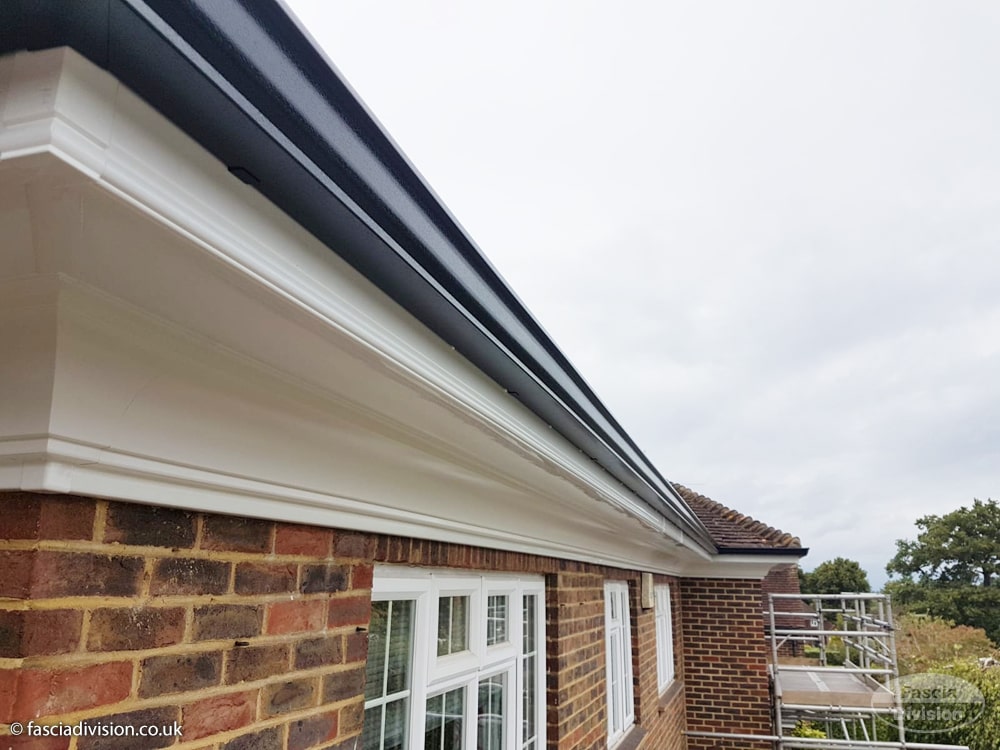
- Water Management: Redirecting rainwater to seamless gutters and downspouts to avoid water damage.
- Defense: Shielding walls and structures from moisture and debris.
- Visual Appeal: Enhancing the architectural style of a home.
Table 1: Key Functions of Eaves
| Function | Description |
|---|---|
| Water Management | Assists direct rainwater far from the building. |
| Defense | Shields walls and structures from water damage and degradation. |
| Visual Appeal | Matches the architectural style of the home. |
Signs Your Eaves Need Replacement
Recognizing when it's time to replace your eaves is essential in keeping your home's integrity. Here are some signs to watch for:
- Cracks and Damage: Look for visible cracks or damage in the eaves themselves.
- Water Stains: Noticeable water discolorations on your ceilings or walls can indicate improper drainage.
- Form Growth: If you find mold or mildew around your eaves, wetness is likely caught, requiring replacement.
- Rust or Corrosion: Metal eaves can corrode in time, causing leaks or structural problems.
- Insect Infestation: Insect invasions or nests in the eaves can indicate wear and tear.
Table 2: Signs of Eaves Damage
| Sign | Description |
|---|---|
| Fractures and Damage | Visible cracks or breaks in the eaves. |
| Water Stains | Staining on ceilings or walls showing leakages. |
| Mold Growth | Existence of mold or mildew around eaves. |
| Rust or Corrosion | Oxidation on metal eaves causing leakages. |
| Bug Infestation | Unwanted insect nests indicating degradation. |
Elements Influencing Eaves Replacement
When considering eaves replacement, a number of factors come into play. Comprehending these can help homeowners make notified choices.
Material Selection
Eaves are available in various products, each with its own benefits and drawbacks. Typical materials include:
- Aluminum: Durable and lightweight however prone to denting.
- Vinyl: Low maintenance but might warp in extreme temperature levels.
- Wood: Offers visual appeal however needs routine Roofline Maintenance to avoid rot.
Climate Considerations
The local environment affects the longevity and toughness of eaves. Regions with heavy rainfall might require more robust materials, while hotter climates may gain from lightweight, UV-resistant materials.
Cost Factors
The expense of eaves replacement can vary significantly based upon product choice, labor expenses, and the extent of the damage. Homeowners must spending plan for both products and installation.
Table 3: Comparison of Eaves Materials
| Material | Toughness | Maintenance Level | Cost (per direct foot) | Aesthetic Quality |
|---|---|---|---|---|
| Aluminum | High | Low | ₤ 5 - ₤ 10 | Moderate |
| Vinyl | Moderate | Really Low | ₤ 3 - ₤ 6 | Moderate |
| Wood | Moderate | High | ₤ 6 - ₤ 12 | High |
The Eaves Replacement Process
Replacing eaves is a job that can be done by experts or, for the positive DIYer, took on personally. Here's a step-by-step breakdown of the process.
Step 1: Assessment
Before starting, carry out a thorough evaluation of the existing eaves. Recognize damaged locations and determine the degree of replacement needed.
Step 2: Choose Your Materials
Based on budget, environment, and aesthetic preferences, select appropriate products for your new eaves.
Action 3: Gather Tools and Supplies
If you're taking on the job yourself, ensure you have all required tools, including:
- Ladder
- Safety gear (gloves, goggles)
- Measuring tape
- Saw and/or cutting tool
- Fasteners and adhesive
Step 4: Remove Old Eaves
Thoroughly remove the old eaves, guaranteeing not to damage the roof or underlying structures. This step usually includes unscrewing or removing the eaves from the building.
Step 5: Install New Eaves
Set up the brand-new eaves according to maker standards. Make sure appropriate positioning for reliable water management and aesthetic appeals.
Step 6: Final Checks
Conduct a last check of the set up eaves to guarantee they are protected and carry out as meant.
Regularly Asked Questions (FAQ)
Q1: How often should eaves be replaced?
A: Eaves should be inspected every couple of years, but replacement generally takes place every 20-30 years, depending on material and regional climate condition.
Q2: Can I replace eaves myself?
A: Yes, if you're comfortable with DIY projects, you can change eaves yourself. However, employing a professional is advised for intricate structures.
Q3: What tools do I require for eaves replacement?
A: Essential tools consist of a ladder, security equipment, measuring tape, saw, and fasteners.
Q4: What are the expenses connected with eaves replacement?
A: Costs vary based on products and labor but generally range from ₤ 3 to ₤ 12 per direct foot.
Q5: How can I maintain my eaves?
A: Regular inspections, cleaning seamless gutters, and making sure proper drain can significantly extend the life of your eaves.
Eaves replacement is an important element of home maintenance that can secure your residential or commercial property and improve its visual appeal. By recognizing signs of damage, comprehending the factors associated with material choice and expenses, and following a systematic replacement process, homeowners can guarantee their homes remain safe and stunning for years to come. Just like any home enhancement task, seeking advice from experts can offer assistance customized to your specific requirements and situations. Taking action quickly will save cash and trouble down the roadway, ensuring your home stays a safe haven for you and your household.












