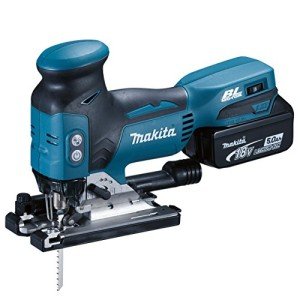
The Comprehensive Guide to Mitering Saws: Your Essential Carpentry Companion
When it comes to woodworking and woodworking, having the right tools is crucial for attaining precision and performance. Among the myriad tools available, the mitering Mitring Saw, commonly referred to as a miter saw, stands apart as a necessary instrument for both experts and DIY lovers. This blog post looks into the intricacies of mitering saws, including their types, features, typical applications, upkeep tips, and responses to regularly asked concerns.
What is a Mitering Saw?
A miter saw is a power tool utilized to make accurate crosscuts and miters in a workpiece. It operates by rotating a circular blade downwards onto the material to make precise cuts at defined angles. This tool is essential for tasks that need precision in cutting angles, such as framing, molding, and cabinets work.
Secret Features of Mitering Saws
Mitering saws included a variety of functions that enhance their performance. Below is a table summing up some typical features:
| Feature | Description |
|---|---|
| Blade Size | Usually ranges between 8 inches and 12 inches. Bigger blades can cut thicker materials. |
| Miter Angles | Generally adjustable from 0 to 50 degrees in both directions, permitting flexible cuts. |
| Bevel Functionality | Lots of models use single or dual bevel choices, enabling angled cuts on both sides of the workpiece. |
| Laser Guide | Offers a noticeable line for accurate cuts, enhancing precision and lowering errors. |
| Dust Collection Port | Developed to assist decrease particles and improve work area tidiness. |
| Security Features | Consists of features like Electric Mitre Saw brakes and security guards for user protection throughout operation. |
Kinds Of Mitering Saws
Mitering saws can be categorized into three primary types, each serving various cutting needs:
Standard (Chop) Miter Saw: The most fundamental type, it permits straightforward crosscuts and angled cuts. However, it lacks the capability to bevel, which limits its flexibility.
Compound Miter Saw: This type can tilt to develop angled cuts on one side (single bevel). It's perfect for cutting crown moldings and other decorative materials.
Sliding Compound Miter Saw: The most flexible choice, it includes a sliding arm that enables the blade to move back and forth. This enables users to cut larger materials without needing to reposition them.
Here's a succinct comparison of these types:
| Type | Bevel Capability | Sliding Capability | Best For |
|---|---|---|---|
| Requirement Miter Saw | No | No | Fundamental crosscuts and angled cuts. |
| Compound Miter Saw | Single Bevel | No | Crown molding and small trim work. |
| Sliding Compound Miter Saw | Dual Bevel (some models) | Yes | Wide baseboards and larger workpieces. |
Common Applications of Mitering Saws
Miter saws are extremely flexible and find applications in various domains:
- Framing: Constructs walls, roofings, and other structures.
- Molding: Cuts numerous shapes and sizes for trim and ornamental accents.
- Cabinetry: Accurate cuts for door frames, shelving, and cabinets.
- Flooring: Ensures precise cuts for wood, laminate, and tile floor covering installations.
Upkeep Tips for Mitering Saws
To extend the lifespan and performance of a miter saw, appropriate maintenance is essential. Here are some vital upkeep suggestions:
Regular Cleaning: Remove collected dust and debris after each use, specifically from the blade and surrounding areas.
Blade Maintenance: Inspect the blade for dullness and nicks. Routinely hone or replace it to keep cutting performance.
Lubrication: Apply lubricant to the pivot points and sliding systems to ensure smooth operation.
Calibration: Periodically check and adjust the miter and bevel settings for precision.
Inspect Cords and Connections: Ensure that power cords are undamaged and connections are secure to prevent electrical risks.
FAQ: Mitering Saws
1. What is the distinction in between a miter saw and a table saw?
Miter saws make angled cuts and crosscuts at particular lengths, while table saws are primarily utilized for straight cuts on larger sheets of material. Miter saws are more portable and perfect for precisely angled cuts.
2. Can I utilize a miter saw for rip cuts?
While it's technically possible to perform rip cuts on a miter saw, it's not suggested. A table saw is designed specifically for rip cuts and will provide more accuracy and security.
3. What size miter saw should I choose?
The size of the miter saw should depend on the projects you plan to carry out. For basic use, an 10-inch model will be enough, while professionals or those working on bigger projects might select a 12-inch design.
4. Are miter saws safe to utilize?
Yes, miter saws are safe when used correctly. Constantly follow the maker's guidelines, wear appropriate security gear, and utilize the saw's security features.
5. How can I guarantee exact cuts with a miter saw?
To accomplish accurate cuts, ensure your product is securely secured, utilize a sharp blade, calibrate your miter and bevel settings before usage, and follow a consistent cutting method.
The mitering saw is a fundamental tool that every woodworker need to have in their toolbox. Whether you're a novice handling your very first DIY task or an experienced professional taking on detailed designs, comprehending the performance and maintenance of mitering saws can significantly improve your craftsmanship. By picking the best Mitre saw Uk kind of saw for your needs and sticking to best practices for maintenance, you can ensure success in your woodworking ventures.