

Soffit Installation: A Comprehensive Guide
Soffits are an often-overlooked yet important component of any roofing system. They are the completing touch that not just improves the aesthetic appeal of a home but likewise serves numerous practical functions-- ventilation, pest control, and insulation. Whether you are a house owner wanting to update your house or a contractor embarking on a brand-new project, comprehending the nuances of soffit installation is crucial. In this post, we will explore the complexities of soffit installation, including numerous products, installation approaches, and common FAQs.
What is a Soffit?
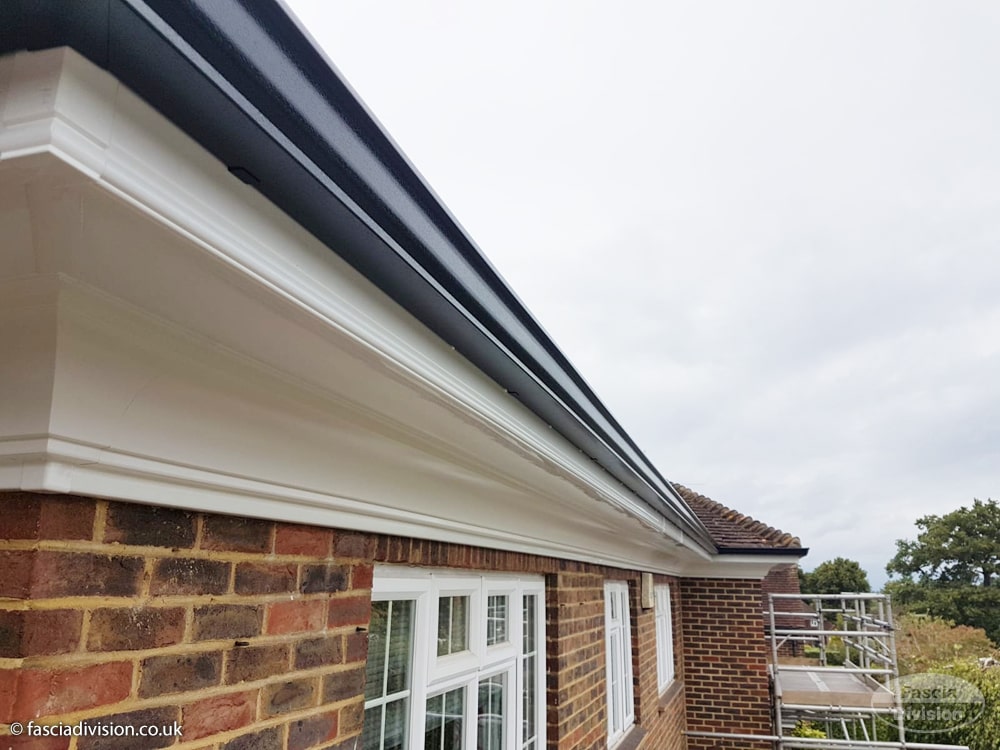
Before diving into the installation process, it's important to clarify what a soffit is. The term "soffit" describes the underside of any arch, beam, or overhanging eave. Generally, it is the board that closes off the location beneath the overhanging part of the roofing system. Soffits can be made from numerous products, consisting of wood, vinyl, aluminum, and composite materials. Each material has its pros and cons, which we'll elaborate on later.
Why Install Soffits?
There are several factors why soffit installation is crucial:
- Ventilation: Proper soffit installation permits sufficient air flow in the attic, which assists control temperature Fascia And Soffit Contractor humidity levels.
- Protection: Soffits secure the rafters of the home from moisture and insect invasion.
- Aesthetic appeals: A properly designed soffit gives the home a polished, completed look.
- Value Addition: Roofline Maintenance Homes with properly maintained soffits frequently have greater resale values.
Types of Soffit Materials
When choosing a soffit product, it's important to think about both looks and performance. Here's a comparison table of the most common products used for soffit installation:
| Material | Durability | Maintenance | Expense | Visual Appeal |
|---|---|---|---|---|
| Wood | Moderate | High | Moderate | High |
| Vinyl | High | Low | Low | Moderate |
| Aluminum | Extremely High | Low | Moderate | Moderate |
| Composite | High | Low | High | High |
Wood Soffits
- Pros: Beautiful look, adjustable
- Cons: Requires regular maintenance, vulnerable to rot and bugs
Vinyl Soffits
- Pros: Low maintenance, resistant to moisture
- Cons: Limited color options, can become fragile in severe weather
Aluminum Soffits
- Pros: Highly resilient, does not rust or rust
- Cons: Can be more expensive, can damage easily
Composite Soffits
- Pros: Durable Fascia And Gutter Replacement visually pleasing
- Cons: Generally more expensive than other products
Tools and Materials Needed
Before beginning the soffit installation process, guarantee you have the following tools and products:
Tools
- Determining Tape
- Miter Saw
- Drill and Drill Bits
- Level
- Shatterproof glass
- Ladder
- Caulking Gun
- Energy Knife
Products
- Soffit Panels (choose your desired material)
- Soffit Vents (if required)
- Fasteners (nails, screws)
- Caulk (for sealing spaces)
Soffit Installation Steps
Action 1: Measure the Area
Accurate measurements are vital for a successful installation. Procedure the length and width of the area where the soffit will be installed.
| Measurement | Description |
|---|---|
| Length | Overall length of the eave |
| Width | Distance from the wall to the outer edge of the roofing system |
Action 2: Choose the Right Soffit Material
Based on your budget, environment, and visual preferences, choose the most ideal soffit product.
Step 3: Prepare the Area
- Get rid of any old soffits or particles.
- Ensure the location is tidy and dry.
Step 4: Install Soffit Vents (if suitable)
- Depending on your attic ventilation requires, you may need to install soffit vents. Follow the manufacturer's directions for vent positioning.
Step 5: Cut the Soffit Panels
Using a miter saw, cut your soffit panels to the right size. Beware and wear security gear.
Step 6: Attach the Soffit Panels
- Start from one end of the eave and work your method to the other.
- Use suitable fasteners to protect the panels, guaranteeing they are level.
Step 7: Seal Any Openings
Use caulk to seal any spaces between the soffit panels and the wall to avoid moisture intrusion.
Step 8: Inspect Your Work
When all panels are installed, confirm for any visible gaps or misalignments. Make essential modifications.
Frequently Asked Questions About Soffit Installation
1. How do I know if I need to change my soffits?Signs to search for include peeling paint, noticeable rot, or holes caused by insects. 2. Are vinyl soffits much better than wood?Vinyl soffits are
typically lower maintenance and more resistant to wetness compared to wood. 3. Can I install soffits by myself?Yes, if you are comfortable utilizing fundamental tools and follow safety preventative measures. Nevertheless, having a helper can simplify the process. 4. What need to I do if I discover mold in my soffits?Remove and change the affected areas, and investigate the source of wetness to prevent future growth. 5. How typically must I check my soffits?It's
suggested to examine your soffits a minimum of when a year, specifically after severe weather.
Soffit installation not only boosts the beauty of a home however likewise plays an essential role in protecting it from the elements. Whether you choose wood, vinyl, aluminum, or composite materials, comprehending the installation process and maintaining correct ventilation is vital. Following the steps outlined in this guide can assist ensure that your soffits are set up properly, supplying both performance and design for several years to come. As always, if in doubt, seek advice from a professional to ensure the best outcomes.












