

Understanding Broken Door Repair: A Comprehensive Guide
A broken door can be a considerable hassle, whether it's a malfunctioning interior door in your house or a more substantial entrance that protects your business. Understanding the mechanics of door repair is necessary for homeowners and entrepreneur alike. This guide will dig into some common concerns related to broken doors, how to address them, and when to consider professional help.
Common Types of Door Problems
Before we discuss repair techniques, it is necessary to determine the typical kinds of door concerns. Below is a table that lays out common problems, their possible causes, and suggested services.
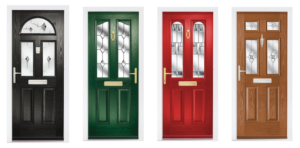
| composite door repair solutions Problem | Possible Causes | Suggested Solutions |
|---|---|---|
| Sagging Door | Loose hinges, contorting due to humidity | Tighten or change hinges, adjust the door jamb |
| Sticking Door | Swelling from moisture, misalignment | Sand down edges, change hinges, or realign the door |
| Broken Lock | Damaged system, rust, or damage | Tidy and oil, change the whole lock or secret |
| Broken Door | Impact damage, age-related wear | Fill fractures with wood filler, replace the door if serious |
| Scratched Surface | Animals, furnishings, or rough handling | Sand and repaint, use touch-up packages |
| Squeaky composite energy-efficient door repair | Absence of lubrication | Apply lubricant to hinges or change hinges if damaged |
| Broken Glass Pane | Impact or extreme weather changes | Replace the glass, think about shatterproof glass choices |
Step-by-Step Guide to Door Repair
Now that we have actually recognized some common concerns, let's look into how to repair a broken door step-by-step.
Tools and Materials Needed
- Screwdriver
- Hammer
- Wood filler
- Sandpaper
- Paint or wood stain
- Lube (WD-40 or comparable)
- Replacement parts (hinges, locks, glass)
Repair Process
- Evaluate the Damage: Before any repair, assess the degree of the door's damage. Is it a small fix, or does it need a complete replacement?
- Tightening Hinges: If the door is drooping, begin by tightening up screws on the hinges. If screws are stripped, consider utilizing longer screws or including wood filler for a more secure fit.
- Straightening the Door: If a door does not close effectively, it may need adjustment. This can often be achieved by loosening up the hinge screws and adjusting the door's position.
- Fixing Cracks and Scratches: Use wood filler to fill out fractures and sand down any scratched areas. Once dry, re-paint or stain for a seamless finish.
- Lock Replacement: For malfunctioning locks, dismantle the lock utilizing a screwdriver, then replace it with a brand-new one by following the producer's instructions.
- Glass Pane Replacement: If the door has a broken glass pane, thoroughly remove the old glass and change it with a brand-new one. Guarantee it's safely fastened and think about adding weather condition stripping to improve insulation.
Frequently Asked Questions about Broken Door Repair
Q: How do I understand if my door requires to be changed rather than repaired?A: If the damage is structural (like severe warping or extensive cracks), if the door does not fit in its frame anymore, or if repairs exceed the cost of a new door, it might be time to replace it. Q: Can I repair a broken composite door repair solutions myself?A: Many small repairs can be done by house owners with fundamental tools and skills. Nevertheless, for significant problems, like frame damage or complex lock systems, speaking with a professional is suggested. Q: How frequently ought to I keep my doors?A: Regular maintenance, including lubrication of hinges and look for warping, must be performed at least two times a year . Make certain the paint works with the door product(wood, fiberglass, etc). Q: How can I prevent my door from sticking in the future?A: Ensure correct ventilation in locations with high humidity, utilize a dehumidifier if required, and routinely look for alignment issues. Preventative Measures for Door Longevity While repairs are sometimes essential, constant preventative maintenance can extend your door's life and performance. be made by homeowners. For more extensive problems, do not hesitate to call a professional. Regular maintenance will guarantee your doors not only look good however function well for many years to come.
. Q: What kind of paint must I use for door repairs?A: Use exterior-grade paint for outside doors and interior-grade paint for internal doorsHere is a list of ideas to avoid future issues: Routine Inspections: Regularly examine hinges, locks, and overall door alignment. Lubrication: Apply lube to hinges every couple of months to prevent squeaking and rust. Weatherproofing:













