

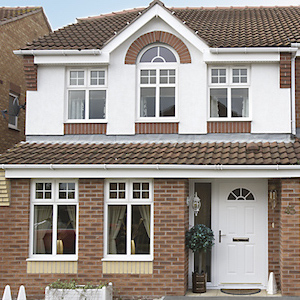
Comprehensive Guide to Residential Window Installation
Residential window installation is a considerable consideration for homeowners looking to boost the functionality and visual appeals of their homes. Windows play an essential role in energy performance, security, and comfort and can dramatically affect the general value of a home. Whether installing new windows in a newly built home or replacing old windows in an existing home, understanding the process can guarantee that the installation is completed efficiently and successfully.
Advantages of Residential Window Installation
Before diving into the installation procedure, it is beneficial to understand the numerous advantages brand-new window setups offer:

- Increased Energy Efficiency: Modern windows are developed to provide better insulation, resulting in reduced heating and cooling expenses.
- Enhanced Aesthetics: New windows can enhance the curb appeal of a home, making it more appealing to possible buyers.
- Improved Security: Updated windows often come with much better locking systems and tougher products, improving home security.
- Sound Reduction: Newer window styles can assist reduce outdoor sound, developing a more serene indoor environment.
- UV Protection: Modern windows typically include coatings that safeguard furniture and floor covering from harmful ultraviolet (UV) rays.
Types of Residential Windows
There are numerous types of residential windows offered, each offering distinct advantages. Below is a thorough list of common Top-Rated Window Installer styles:
- Double-Hung Windows: Feature 2 vertically sliding sashes, permitting ventilation from the top or bottom.
- Casement Windows: Hinged on the side and open outside, providing excellent ventilation.
- Slider Windows: Operate horizontally and are easy to open, making them appropriate for larger openings.
- Awning Windows: Hinged on top and open external, offering ventilation even throughout rain.
- Bay and Bow Windows: Project outward from the home, creating additional interior space and breathtaking views.
- Picture Windows: Large, fixed windows that do closed, perfect for capturing views.
Table 1: Comparison of Window Types
| Window Type | Ventilation | Energy Efficiency | Aesthetic appeals | Upkeep |
|---|---|---|---|---|
| Double-Hung | Yes | Moderate | Classic | Moderate |
| Casement | Exceptional | High | Modern | Low |
| Slider | Moderate | Moderate | Smooth | Low |
| Awning | Excellent | High | Elegant | Low |
| Bay/Bow | Minimal | High | Significant | Moderate |
| Photo | No | High | Sophisticated | Low |
The Installation Process
Installing windows can be a complex job needing mindful planning and execution. Here is a step-by-step summary of the installation procedure:
1. Preparation and Measurements
- Select Window Style: Choose the window type based on your requirements, aesthetic appeals, and spending plan.
- Procedure Window Openings: Accurate measurements are essential for guaranteeing an appropriate fit. A Professional Casement Window Installer installer frequently takes this step to prevent mistakes.
2. Removal of Old Windows
- Prepare the Area: Clear any furnishings or barriers near the window's installation site.
- Cautious Removal: Safely remove old windows, making sure not to damage surrounding structures.
3. Installation of New Windows
- Insert the New Window: Place the new window into the opening and ensure it is level.
- Protect it: Fasten the window frame using screws or nails, following producer standards.
- Insulate: Add insulation to close gaps around the window frame to avoid drafts.
- Seal: Apply caulking to produce a water resistant seal in between the window and the frame.
4. Finishing Touches
- Set up Trim: Add Window Installation Service casing or cut for visual appeals.
- Last Inspection: Check for any spaces, leakages, or positioning issues.
- Tidy up: Remove any debris and tidy the new window.
5. Post-Installation Care
Following installation, property owners ought to follow basic upkeep tips to take full advantage of the longevity of their new windows. Routine cleansing, evaluation for damage, and timely caulking will assist preserve effectiveness and aesthetic appeals.
Frequently Asked Questions (FAQs)
1. How long does window installation take?
The time required for window installation can vary based upon the variety of windows being set up and the complexity of the job. Generally, it can take anywhere from a few hours to a number of days.
2. Do I need a permit for window installation?
In numerous areas, a permit is required for window installation, particularly if the job includes structural changes. It's suggested to inspect local policies.
3. How do I understand if I need to replace my windows?
Signs that might indicate the requirement for replacement consist of drafts, problem opening or closing the windows, cracked or rotting frames, and high energy bills.
4. What should I anticipate throughout the installation process?
Homeowners can anticipate some sound and disturbance during the installation procedure. Nevertheless, professional installers generally aim to decrease trouble.
5. Can I install windows myself?
While DIY installation is possible, employing a Professional Window Installer is advised for proper fitting, insulation, and sealing, particularly provided the financial investment involved.
Residential window installation is an essential home improvement procedure that provides numerous benefits, including boosting energy performance, security, and looks. Comprehending the different types of windows and the steps associated with the installation procedure empowers homeowners to make informed choices. Whether tackling this task personally or hiring experts, proper preparation and attention to detail can make sure an effective outcome, ultimately elevating the convenience and value of the home.












