

The Comprehensive Guide to Buying a Cot: What You Need to Know
Choosing the right cot for your baby or toddler is among the most essential choices that new moms and dads face. With a variety of choices available in the market, it can be frustrating to make the best rated cribs choice. This guide offers you with in-depth insights into choosing the best Cot Bed, essential features to think about, and responses to often asked questions.
Comprehending Types of Cots
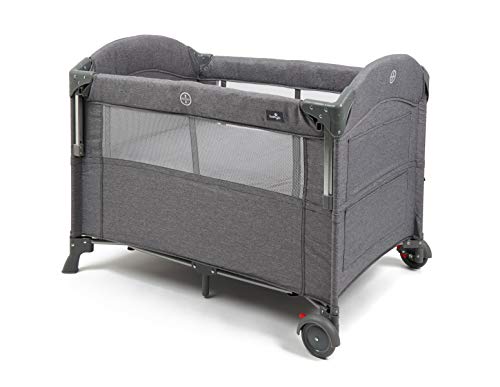
Cots are available in numerous styles, each with its distinct functions. Below is a table that sums up the typical types of cots readily available.

| Type of Cot | Description | Pros | Cons |
|---|---|---|---|
| Standard Cot | A standard cot that fits standard-sized mattresses. | Strong, spacious, good cribs (mouse click the up coming post) longevity. | Large, may not fit smaller areas. |
| Convertible Cot | Can convert into a young child bed or daybed. | Grows with the kid, affordable. | More pricey upfront. |
| Travel Cot | Lightweight and portable, ideal for travel. | Easy to store, convenient for travel. | Less sturdy, smaller sized sleeping area. |
| Moses Basket | A little, portable basket for newborns. | Light-weight, cozy, perfect for babies. | Limited usage as babies grow. |
| Mini Cot | A smaller sized version of a basic cot, best crib for newborn for tight areas. | Space-saving, appropriate for small spaces. | Restricted lifespan as the kid grows. |
Secret Features to Consider
When choosing a cot, moms and dads need to think about the following features to make sure safety, convenience, and durability:
Safety Standards: Ensure the cot meets local safety standards. Look for accreditations from recognized bodies.
Material: Opt for a cot made from strong wood or high-quality products that ensure durability and security.
Adjustable Mattress Height: Cots with adjustable bed mattress heights allow parents to reduce the bed mattress as the child grows, avoiding falls.
Slat Design: Ensure the spacing in between the slats abides by safety requirements-- normally no greater than 2.5 inches apart.
Non-Toxic Finishes: Look for cots with non-toxic paints and finishes to ensure your baby's safety.
Alleviate of Assembly: Some cots need complicated assembly. Search for models that are simple to assemble and dismantle.
Mobility: If you prepare to move the cot around or travel, consider a light-weight model or travel cot.
Storage Options: Some cots come with built-in storage or underneath space for blankets and baby essentials.
Setting a Budget
Setting a spending plan is essential when acquiring a cot. With rates varying commonly, it's necessary to determine just how much you are prepared to spend. High-quality cots frequently range from ₤ 200 to over ₤ 1,000, depending on features and brand track record. Below is a budget plan guide table:
| Price Range | Features | best cots for newborns For |
|---|---|---|
| ₤ 100 - ₤ 300 | Basic functions, durable materials. | Budget-conscious parents. |
| ₤ 300 - ₤ 600 | More security functions, adjustable heights, much better materials. | Moms and dads looking for good value. |
| ₤ 600 - ₤ 1000+ | Premium materials, convertible options, brand name credibility. | Households seeking durability and design. |
Where to Buy a Cot
Now that you comprehend the types and functions of cots, you can explore where to purchase one. Below is a list of choices for purchasing a cot:
Baby Specialty Stores: Stores concentrating on baby products often offer a series of cots and experienced staff for support.
Online Retailers: Websites like Amazon, Walmart, and Target provide a broad selection along with client reviews.
Department Stores: Chains like Macy's or Kohl's typically have baby sections with various cot alternatives.
Second-Hand Shops: Thrift shops or online markets can have budget friendly choices, but be cautious about safety standards.
Producer Websites: Buying straight from brands like Graco or Babyletto may offer special designs or discounts.
Often Asked Questions (FAQ)
1. How can I make sure the cot is safe for my baby?
Always check for security accreditations, ensure slat spacing is compliant with security requirements, and try to find durable building. A non-toxic surface is likewise vital.
2. What age is a cot appropriate for?
Cots are suitable from birth till about 2-3 years of age, or until your kid can climb out.
3. Should I purchase a new or used cot?
While utilized cots can be affordable, guarantee they satisfy current security requirements and are in excellent condition. New cots normally have updated security functions.
4. When should I transition my child to a young child bed?
Many parents transition their kid when they outgrow the cot, generally between 2 and 3 years of ages.
5. How do I tidy and keep a cot?
Regularly clean the cot with mild soap and water. Avoid extreme chemicals. Check the hardware regularly to guarantee it remains safe and secure.
Picking the right cot involves careful factor to consider of safety, design, and performance. With numerous types available, it's necessary to determine your household's requirements and spending plan. By following the standards described in this post, parents can make an educated decision that provides their child with a safe and comfy sleeping environment. Keep in mind to consider all factors-- from the cot's material and style to the store from which you buy it-- to guarantee you invest in a product that will serve your family well for several years to come.












