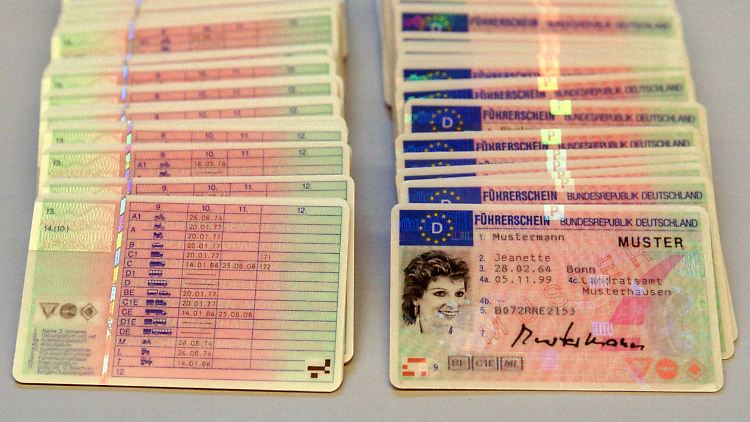
The Comprehensive Guide to Applying for a German Driving License
Browsing the course to acquiring a German driving license can be both interesting and frustrating. Germany's extensive driving requirements guarantee that all drivers are well-prepared for the roadway, producing a more secure driving environment. This detailed guide will take you through the requirements, procedure, and tips for successfully acquiring a German driving license.
Comprehending the Types of Driving Licenses in Germany
Before delving into the application process, it's necessary to understand the various types of driving licenses offered:
| License Class | Vehicle Type | Minimum Age |
|---|---|---|
| A | Bikes | 24 (or 20 with two years of A2) |
| B | Cars | 18 |
| C | Trucks | 21 |
| D | Buses | 24 |
| BE | Trailers | 18 |
The most typical license among new drivers is the Class B license, which permits you to run automobile.
Step-by-Step Application Process
1. Eligibility Requirements
Before obtaining a German driving license, you require to satisfy a number of eligibility requirements:
- Age: anforderungen Für einen deutschen führerschein Applicants need to be at least 18 years old for a Class B license.
- Residency: You need to be a resident of Germany or have an irreversible address in the country.
- Medical and Vision Tests: A medical checkup and a vision test are needed. These tests guarantee you are fit to drive.
2. Documentation Needed
Guarantee you have the following files prepared when applying:
- Valid recognition (passport or ID card)
- Proof of residency (registration certificate)
- Certificates of medical and vision tests
- First-aid course conclusion certificate
- Application (offered at the regional licensing authority)
3. Enroll in a Driving School
In Germany, practical and theoretical driving lessons are compulsory. Select an accredited driving school and enroll in the necessary courses. Here's what to anticipate:
| Course Type | Duration | Content |
|---|---|---|
| Theoretical Lessons | 14 lessons | Traffic guidelines, road signs, and safe driving practices |
| Practical Lessons | 12-20 lessons | On-road driving experience under the guidance of a trainer |
4. Pass the Exams
After finishing your driving lessons, you will require to pass two examinations:
Theoretical Exam: This consists of multiple-choice questions related to traffic laws and driving safety. More than 90% of questions are readily available in English, making it accessible for non-German speakers.
Practical Exam: This on-road test assesses your driving abilities, including maneuvering, understanding of traffic indications, and practical application of your theoretical knowledge.
5. Send Application
When you have actually passed both exams, go back to the local licensing authority to submit your application for the driving license. Guarantee you have all necessary files prepared, including proof of passing your examinations.
6. License Issuance
Upon approval, you will receive a short-term driving authorization. Your main driving license will be sent by mail to you.
Expenses Associated with Obtaining a Driving License
The costs can vary based upon the driving school, place, and private requirements. Here's a breakdown of the normal expenditures:
| Expense Category | Expense Range (EUR) |
|---|---|
| Driving School Fees | 1,200 - 2,500 |
| Theory Exam Fee | 30 - 50 |
| Practical Exam Fee | 100 - 150 |
| Medical and Vision Tests | 50 - 100 |
| First-aid Course Fee | 30 - 50 |
| Application Fee | 40 - 70 |
| Overall Estimated Cost | 1,500 - 3,000 |
Often Asked Questions (FAQ)
Q1: Can I drive with a foreign chauffeur's license in Germany?
Yes, Internationaler deutscher Führerschein) you can drive with a foreign motorist's license in Germany for up to 6 months. Nevertheless, after this period, you will need to use for a German license.
Q2: Do I need to take driving lessons if I already have a foreign license?
In a lot of cases, if you hold a license from a non-EU country, you may be needed to take both the theoretical and dry runs. This depends upon your nation of origin.
Q3: How long is the driving license legitimate?
In Germany, a driving license is normally valid for 15 years. After this, you need to renew your license, which might include a vision test however not a retest.
Q4: Can I take the theoretical exam in English?
Yes, the theoretical test is offered in several languages, including English.
Q5: What happens if I stop working the driving test?
You can retake the driving test after a waiting duration, typically a couple of weeks. The number of efforts might differ, and EU-Führerschein online kaufen it's advisable to get extra practice before retaking.
Tips for a Successful Application
Research study Thoroughly: Use resources such as Europäischen Führerschein online kaufen practice tests and driving handbooks to prepare for the theoretical test.
Practice, Practice, Practice: Make the many of your useful lessons. The more you drive, the more comfortable you will end up being.
Stay Calm During Tests: Nerves can impact performance. Practice relaxation methods to stay calm throughout the tests.
Look for Help: If you come across language barriers, consider engaging with a bilingual trainer or utilizing translation resources.
Understand Local Driving Culture: Familiarize yourself with local traffic laws and custom-mades to much better prepare yourself for driving in Germany.
Getting a German driving license is a structured process that needs time, effort, and commitment. However, the reward is a valuable possession that opens up opportunities for mobility and EU-Führerschein online kaufen) self-reliance. By comprehending the steps, preparing well, and attending to common concerns, prospective chauffeurs can browse this journey effectively. Whether it's cruising through the Autobahn or taking pleasure in the beautiful routes of the countryside, a German driving license allows you to explore the beauty and diversity of Germany with confidence.