

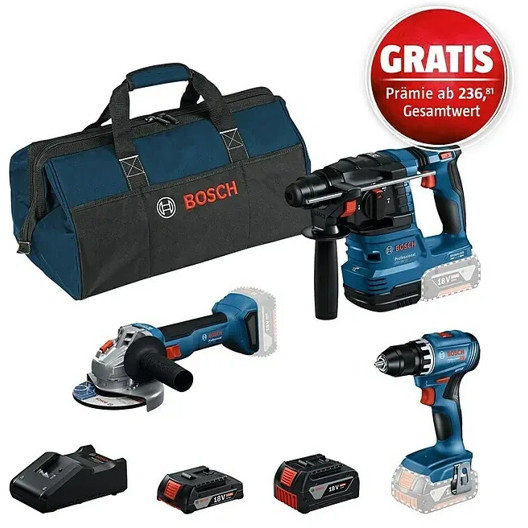
The Rise of Cordless Tools: A Comprehensive Overview
In the realm of building and construction, woodworking, and home improvement, cordless tools have actually transformed the method tradespeople and DIY enthusiasts approach their projects. No longer connected by troublesome cables, users are now managed the convenience and flexibility of battery-powered equipment. This blog will explore the different facets of cordless tools, including their benefits, types, maintenance, and some commonly asked questions.
Why Choose Cordless Tools?
Cordless tools have acquired tremendous popularity over current years, and for excellent factor. Here are some crucial benefits that make these tools a favored choice for lots of:
Portability and Convenience: The absence of cables allows users to easily steer through various areas without stressing about tripping risks or finding power outlets.
Versatility: Cordless tools are readily available for a vast array of applications, from drilling and cutting to sanding and securing. This adaptability makes them a necessary addition to any toolkit.
Improved Safety: With no cords in the method, users deal with fewer risks, making for a safer working environment.
Battery Technology: Advances in battery innovation, especially lithium-ion batteries, have actually led to boosted runtime and shorter charging times.
Table 1: Comparison of Corded vs. Cordless Tools
| Feature | Corded Tools | Cordless Tools |
|---|---|---|
| Power | Typically more effective | Appropriate for a lot of tasks |
| Movement | Limited by cord length | Extremely mobile |
| Runtime | Continuous use | Limited by battery life |
| Upkeep | Low upkeep | Battery lifespan impacts longevity |
| Weight | Normally heavier | Varies, Preise Für Akku-Maschinensets often lighter |
| Cost | Typically less expensive | Higher preliminary financial investment |
Types of Cordless Tools
Cordless tools can be found in various sizes and shapes, and each type serves unique purposes. Below are a few of the most common cordless tools and their applications:
Cordless Drills
- Perfect for drilling holes and driving screws.
- Key Features: Variable speed settings and torque adjustment.
Cordless Circular Saws
- Perfect for cutting wood, metal, and other materials.
- Key Features: Blade size choices and bevel capabilities.
Cordless Nail Guns
- Useful for framing, roof, and cabinets tasks.
- Secret Features: Adjustable depth settings and shooting modes.
Cordless Impact Drivers
- Great for durable attachment applications.
- Secret Features: High torque output and compact style.
Cordless Orbital Sanders
- Essential for smoothing surface areas and finishing work.
- Secret Features: Dust collection systems and multi-speed settings.
Table 2: Popular Cordless Tools and Their Uses
| Tool Type | Common Uses | Secret Features |
|---|---|---|
| Cordless Drill | Drilling holes, driving screws | Speed control, torque settings |
| Circular Saw | Cutting wood and sheet items | Blade size, bevel modifications |
| Nail Gun | Framing, sheathing, and trim work | Depth adjustment |
| Impact Driver | Sturdy fastening | High torque, compact style |
| Orbital Sander | Surface completing | Variable speed, dust collection |
Maintenance of Cordless Tools
To ensure longevity and optimum efficiency of cordless tools, appropriate upkeep is important. Here are some maintenance ideas:
Battery Care: Regularly examine battery health, avoid deep discharges, and store batteries in a cool, dry location. Lots of batteries benefit from being regularly cycled through charging.
Clean Tools: Keep tools devoid of dust and debris. Regular cleansing can avoid accumulation and guarantee equipment runs smoothly.
Check Components: Routinely examine parts for wear and tear. Pay attention to drill bits, blades, and battery chargers.
Update Software: For wise tools, ensure firmware is up-to-date to enhance capabilities and security features.
Table 3: Cordless Tool Maintenance Checklist
| Maintenance Task | Frequency | Purpose |
|---|---|---|
| Battery Inspection | Regular monthly | Make sure ideal efficiency |
| Cleaning | After each use | Prevents dust accumulation |
| Part Inspection | Every 3 months | Spot wear and change if essential |
| Software Update | As needed | Boost performance |
Regularly Asked Questions (FAQs)
1. For how long do batteries last in cordless tools?
The lifespan of a cordless tool battery can vary, however a lot of lithium-ion batteries last around 2-5 years, depending on usage and maintenance.
2. Are cordless tools as powerful as corded tools?
While numerous cordless tools offer sufficient power for a lot of tasks, they might not match the high energy output of some corded models, particularly for durable applications.
3. Can I use my cordless tool while charging?
Typically, it is not recommended to utilize cordless tools while charging, as this can cause getting too hot, reduced efficiency, and prospective damage to the tool or battery.
4. What should I think about when purchasing cordless tools?
Think about elements such as battery life, the types of tasks you prepare to undertake, the tool's weight and size, and the accessibility of compatible batteries and accessories.
5. Are more costly cordless tools worth the financial investment?
Purchasing higher-end cordless tools often supplies much better performance, resilience, and longer battery life, making them worth the additional expense for frequent users.
Cordless tools have transformed the method we approach tasks in building and home improvement. With their myriad advantages, variety of alternatives, and ease of use, they have actually become vital for experts and DIY lovers alike. By understanding the different types available, how to maintain them, and the subtleties of battery innovation, users can make educated choices that improve their productivity and project outcomes. As innovation continues to advance, the future of cordless tools guarantees even more innovations, shaping our workplace for the much better.












