

Professional Gutters: Essential Protection for Your Home
When it comes to home maintenance, one of the most ignored yet vital systems is the gutter system. Correctly set up and maintained gutters secure the home from water damage, mold, and structural problems. This blog post will check out the value of professional gutters, the types offered, installation procedures, maintenance ideas, and common FAQs to clarify any doubts property owners might have.
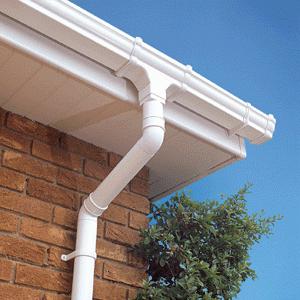
Why Gutters Matter
Gutters play an essential function in directing rainwater away from the foundation of a home. Without an appropriate gutter system, water can accumulate near the base of your house, potentially causing:
- Foundation Damage: Excess water can permeate into the structure, causing fractures and settling problems.
- Landscaping Erosion: Water streaming off the roof can cause soil disintegration in flower beds and gardens.
- Basement Flooding: Poor drainage may lead to flooding in basements and crawl areas, creating an environment for mold and Best guttering mildew.
- Roof Damage: Clogged gutters can trap water, resulting in roof leakages and structural damage with time.
Table 1: Common Problems Caused by Poor Gutter Systems
| Issue | Description | Potential Consequences |
|---|---|---|
| Foundation Damage | Water pooling around the home | Cracks, settling, and pricey repairs |
| Erosion | Loss of soil around landscaping | Plant loss, increased maintenance |
| Basement Flooding | Water build-up in basements | Mold growth, health issues |
| Roof Damage | Trapped water causing leakages and rot | Roof replacement, structural issues |
Kinds of Gutters
There are numerous types of gutters available, each with its special advantages. Understanding the distinctions can assist house owners make notified decisions.
1. K-Style Gutters
- Description: The most common gutter design in the U.S., looking like the letter "K."
- Advantages: Efficient water circulation, available in numerous sizes, and often has a flat bottom for seamless installation.
2. Half-Round Gutters
- Description: Circular in shape, similar to old European styles.
- Advantages: Aesthetically pleasing, simpler to clean up, and suitable for historic homes.
3. Box Gutters
- Description: Typically concealed behind the fascia board.
- Advantages: Large capacity for heavy rainfalls, can be incorporated into the roof design.
4. Seamless Gutters
- Description: Made from a single piece of material, decreasing joints.
- Benefits: Reduces leak, customized to fit the home, and lower maintenance.
Table 2: Comparison of Gutter Types
| Gutter Type | Visual Appeal | Maintenance Level | Leak Potential | Cost |
|---|---|---|---|---|
| K-Style | Moderate | Moderate | Moderate | ₤ |
| Half-Round | High | Low | Low | ₤ ₤ |
| Box | High | Moderate | Moderate | ₤ ₤ |
| Seamless | High | Low | Low | ₤ ₤ ₤ |
Installation of Professional Gutters
The installation procedure is crucial for the effectiveness of any Gutter Replacement system. Here are the common steps associated with professional gutter installation:
1. Evaluation and Measurement
Professional installers first assess the home's design and determine the locations where gutters will be positioned.
2. Product Selection
House owners choose the product (aluminum, copper, vinyl, etc) based on budget plan, looks, and resilience.
3. Fabrication
If seamless gutters are chosen, installers will fabricate them on-site to guarantee perfect fitment.
4. Installation
The gutters are secured to your house using brackets and pitched properly to guarantee reliable drainage.
5. Downspouts Installation
Downspouts are strategically placed to direct water away from the foundation.
6. Final Inspection
A last evaluation is conducted to make sure whatever is appropriately set up and working.
Maintenance Tips for Gutters
Maintaining gutters is crucial for their longevity and Guttering (visit here) efficiency. Here are some important maintenance pointers:
- Regular Cleaning: Clean gutters a minimum of two times a year to get rid of debris and prevent blocking.
- Inspect for Damage: Regularly look for rust, cracks, or sagging areas.
- Make Sure Proper Drainage: Make sure downspouts are clear and directing water at least 5-10 feet away from the foundation.
- Install Gutter Company Guards: Consider setting up gutter guards to lessen particles accumulation.
- Arrange Professional Inspections: Hire professionals for annual evaluations to capture problems early.
Table 3: Maintenance Schedule
| Activity | Frequency |
|---|---|
| Tidy Gutters | Two times a year |
| Inspect for Damage | Quarterly |
| Inspect Downspouts (related resource site) | After heavy rain events |
| Professional Inspections | Annually |
Frequently asked questions About Gutters
Q1: How much do professional gutters cost?
A: The expense of professional gutter installation can differ widely based on materials, the size of the home, and local labor rates. Typically, property owners can expect to pay in between ₤ 800 and ₤ 2,500.
Q2: How long do gutters last?
A: The life-span of gutters depends upon the material. Aluminum gutters can last 20 years, while copper gutters might last approximately 50 years with appropriate maintenance.
Q3: Can I set up gutters myself?
A: While some homeowners may choose to install gutters themselves, hiring professionals guarantees proper installation, decreasing the risk of damage and future repairs.
Q4: What should I do if I observe leakages?
A: If you notice leakages, it's essential to clean up the gutters and look for any damage. If problems persist, consult a professional gutter service.
Professional gutters are a required investment for any property owner aiming to safeguard their property from water damage. By comprehending the different kinds of Residential Gutters, the installation procedure, and maintenance requirements, homeowners can make educated decisions that will lead to lasting protection and peace of mind. Investing in a quality gutter system is not practically aesthetic appeals; it's about safeguarding your home and guaranteeing its longevity against the elements.












