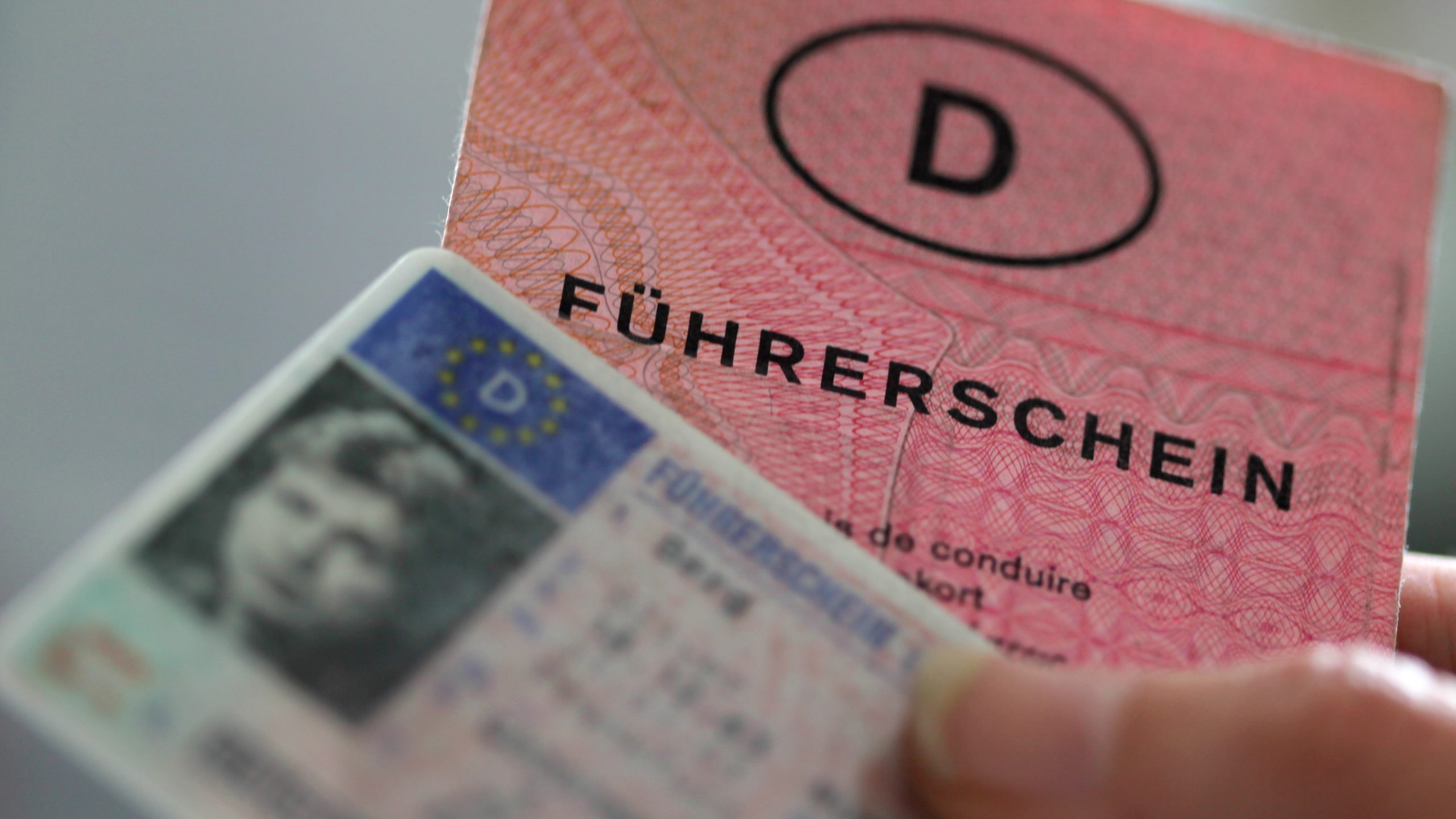
Guide to Obtaining a German Driving License
Navigating the roadways of Germany can be a thrilling experience, whether you're a resident or a visitor. Nevertheless, to lawfully drive there, one need to possess a valid driving license. This post functions as a useful guide on how to acquire a German driving license, discussing essential requirements, treatments, and frequently asked questions.
Comprehending the German Driving License
Germany has a well-structured system for releasing driving licenses, categorized by various vehicle classes. The most typical license types consist of:
- Class B: For cars and trucks (approximately 3.5 lots)
- Class A: For motorbikes
- Class C: For trucks
- Class D: For buses
Secret Information
| License Class | Car Type | Minimum Age | Validity Period |
|---|---|---|---|
| Class B | Vehicles | 18 | 15 years |
| Class A | Motorbikes (over 125cc) | 24 | 15 years |
| Class C | Trucks | 21 | 5 years |
| Class D | Buses | 24 | 5 years |
Steps to Obtain a German Driving License
1. Figure out Eligibility
Before diving into the application process, it is important to identify your eligibility. Candidates should fulfill the following requirements:
- Age Requirement: Meet the minimum age for the wanted license class.
- Residency: Over 185 days of residency in Germany.
- Health Requirements: A medical examination might be needed, along with an eye test.
2. Select a Driving School
Selecting a driving school is among the most critical steps. Here are some points to consider:
- Reputation: Research examines and ask for recommendations.
- Services Offered: Ensure the school uses lessons for the desired license class.
- Prices: Compare costs and check for any surprise costs.
3. Complete Required Courses
Driving schools in Germany usually use a mix of theoretical and practical training. The following components are normally included:
- Theoretical Lessons: Covering traffic laws, automobile operation, and roadway indications.
- Practical Driving Lessons: Hands-on training with a qualified trainer.
4. Pass the Theoretical Exam
As soon as the theoretical training is complete:
- Register for the theory exam at the local driving license authority (Führerscheinstelle).
- Get ready for the examination using practice tests and research study materials.
- Successfully pass the exam, normally consisting of multiple-choice questions.
5. Complete Practical Training
Upon passing the theoretical exam:
- Schedule useful driving sessions with your instructor.
- Complete the needed number of driving hours (normally around 12 hours).
- Gain experience with different driving conditions (e.g., night driving, highway driving).
6. Pass the Practical Driving Test
After finishing useful training, the driving trainer will identify preparedness for the dry run. After arranging the test with the local authority, candidates will demonstrate their driving abilities.
7. Send Application
After effectively passing both examinations, finish the application for a German driving license by submitting required documents:
| Required Documents | Description |
|---|---|
| Legitimate ID (Passport/identity card) | Proof of identity |
| Residence registration | Verification of residency |
| Very first help certificate | Evidence of completing a very first aid course |
| Biometric picture | Current passport-style photo |
| Medical certificate (if required) | Verification of health and wellness |
8. Get Your License
As soon as all the documents are submitted, and the application is processed, the brand-new license will be provided. The processing time usually varies from a few days to a few weeks.
FAQs
1. What if I currently have a driving license from another nation?
Chauffeurs with a valid driving license from an EU nation might utilize it without conversion. For non-EU licenses, a conversion might be required after a particular residency duration.
2. How much does it cost to get a German driving license?
The total cost can differ considerably based on the driving school and specific situations, however normally, you can expect to pay anywhere from EUR1,500 to EUR2,500 or more, consisting of lessons and examination costs.
3. How long is the German driving license legitimate?
The credibility of a German driving license varies by class, however Class B licenses are typically legitimate for 15 years and need to be restored afterwards.
4. What happens if I fail the driving test?
If you stop working the useful driving test, you can retake it after a waiting duration, which is usually about 2 weeks. It's recommended to schedule additional driving lessons before attempting once again.
5. Can I drive in Germany with a global driving permit?
Yes, a global driving authorization stands Anmeldung für einen deutschen Führerschein In Deutschland EU-Führerschein online kaufen (Fakenews.Win) Germany for Anbieter von deutschen Führerscheindokumenten a minimal time, generally up to 6 months. After this period, a German driving license or a conversion is needed.
Getting a German driving license can seem overwhelming, however by following the structured actions described above, potential motorists can browse the procedure with relative ease. From selecting the best driving school to passing needed tests, preparation is essential. Understanding the requirements and being informed will make sure a smoother transition to driving lawfully on Germany's efficient roadways.