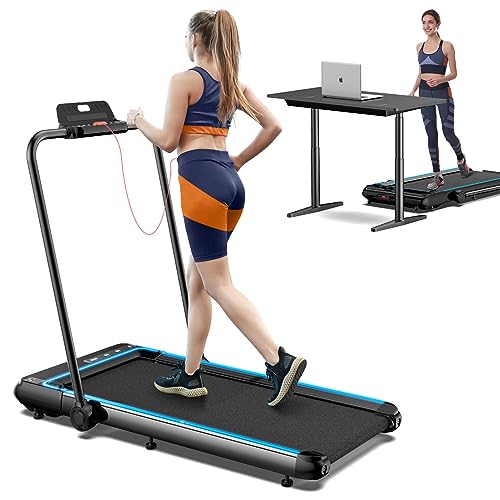
The Benefits of Non-Electric Treadmills: A Comprehensive Guide
In recent years, there has actually been an obvious surge in interest surrounding home fitness devices, especially in the wake of the pandemic. Health club closures triggered many fitness enthusiasts to bring their exercise regimens home, leading to a substantial spike in sales for various types of workout devices. Amongst these, non-electric treadmills have actually emerged as a popular choice for many. This article explores the operations, benefits, and factors to consider surrounding non-electric treadmills, offering a detailed summary for potential purchasers.
What is a Non-Electric Treadmill?
A non-electric treadmill operates without the requirement for electricity. Rather, it uses a Manual Treadmil mechanism, usually depending on the user's own power and effort to move the belt. These treadmills are available in numerous designs but generally feature a curved running surface, permitting a more natural running gait and higher workout efficiency.
Advantages of Non-Electric Treadmills
Non-electric treadmills boast various advantages over traditional electric models. The following table sums up the crucial benefits:
| Benefits | Description |
|---|---|
| Cost-Effectiveness | Non Electric Walking Pad-electric treadmills are typically less expensive compared to their electric equivalents. |
| Portability | Many designs are lightweight and easy to move, making them ideal for home usage or travel. |
| Space-Saving | Non-electric treadmills are normally more compact, requiring less floor area. |
| Eco-friendly | They consume no electricity, making them a sustainable option for environmentally-conscious users. |
| Sturdiness | With less mechanical parts, these treadmills typically have a longer life-span. |
| Adjustable Workouts | Users can change speed and strength based on their own effort, resulting in tailored exercises. |
How Do Non-Electric Treadmills Work?
A lot of non-electric treadmills utilize a curved surface area that allows users to run naturally. As the user runs, their weight moves the treadmill's belt, starting motion. This system not just motivates a more appealing exercise but also triggers more muscle groups compared to conventional flat treadmills.
Types of Non-Electric Treadmills
There are a number of types of non-electric treadmills offered on the market, each created for different use cases:
Curved Treadmills: These are the most popular non-electric models, including a curved running surface. They promote a natural running gait and are exceptional for sprinting workouts.
Flat Non-Electric Treadmills: These look like conventional treadmills but are created to be manually run. They typically have a more basic style and can be ideal for Walking Treadmill or light jogging.
Portable Folding Treadmills: These designs fold for easy storage and are frequently lighter, making them fantastic for users with minimal area.
Why Choose a Non-Electric Treadmill?
1. Greater Engagement
Utilizing a non-electric treadmill needs active involvement from the user, causing a more engaging exercise experience. This self-propelling feature can assist improve cardiovascular physical fitness and burn more calories than a standard electric Non-Folding Treadmill.
2. Versatile Workout Options
Because the rate What Is A Manual Treadmill managed by the user, non-electric treadmills enable versatile workout options. Users can alternate in between high-intensity sprints and slower recovery periods based upon their physical fitness goals.
3. Much Safer for Home Use
Without any electrical parts, non-electric treadmills reduce the danger of breakdowns or electrical dangers, making them a more secure option for sale homes with children or pets.
4. Low Maintenance
Unlike electric treadmills, which might need routine servicing, non-electric designs are typically much easier to maintain and repair. The simpleness of their design often leads to fewer breakdowns.
5. Enhanced Mindfulness
Utilizing a non-electric treadmill motivates users to concentrate on their movements and body mechanics, promoting a conscious method to physical activity. This can help users develop a much deeper connection to their workouts, boosting general fitness.
Factors to consider When Buying a Non-Electric Treadmill
Before making a purchase, prospective purchasers ought to think about the following elements:
1. Area Constraints
Examine the offered space in your house. Non-electric treadmills come in various sizes, and some models are more portable than others.
2. Meant Use
Think about how you plan to use the treadmill. If you're interested in sprinting or high-intensity exercises, a curved treadmill might be more helpful than a flat model.
3. Budget plan
Non-electric treadmills can vary commonly in price. Identify your budget and research designs that fit within it while still satisfying your requirements.
4. Construct Quality
Look for resilient materials and a durable building to ensure a long life-span. Check user reviews to assess reliability.
5. Service warranty & & Support
While non-electric treadmills are normally less vulnerable to issues, having a warranty or good customer assistance can offer comfort.
Regularly Asked Questions (FAQ)
1. Are non-electric treadmills appropriate for all physical fitness levels?
Yes, non-electric treadmills can be utilized by individuals of all fitness levels. Users can control their speed and strength, making them suitable for newbies and advanced professional athletes alike.
2. How do I preserve a non-electric treadmill?
Regularly tidy the treadmill's surface to eliminate debris, and check for any loose parts or indications of wear. Lots of designs require very little maintenance.
3. Can I utilize a non-electric treadmill for running?
Absolutely! Non-electric treadmills, especially curved models, are developed for running. Users can enjoy a complete running workout without any electrical dependence.
4. Do non-electric treadmills have a higher calorie burn?
Many users report a higher calorie burn on non-electric treadmills compared to electric models, thanks to the effort needed to move the treadmill belt.

5. Can I see television or listen to music while utilizing a non-electric treadmill?
While it's possible to multitask, focusing on your workout may yield much better outcomes. Nevertheless, many users enjoy listening to music or podcasts while exercising.
Non-electric treadmills present an innovative service for those seeking a cost-efficient, flexible, and ecologically friendly workout option. With various styles tailored to different fitness levels and needs, they provide an engaging way to keep fitness. By understanding the advantages and abilities of these treadmills, users can make informed options that align with their physical fitness goals. As the interest in home-based physical fitness continues to grow, non-electric treadmills are likely to remain an essential component of lots of home health clubs.