

The Non-Powered Treadmill: A Comprehensive Guide
Recently, the fitness market has seen a noteworthy shift towards more sustainable and efficient exercise devices. Among these innovations, non-powered treadmills-- often referred to as manual treadmills-- have gained appeal amongst physical fitness lovers and casual gym-goers alike. This blog post explores what non-powered treadmills are, their advantages, and how they compare to traditional, powered treadmills.
What is a Non-Powered Treadmill?
A non-powered treadmill is a type of treadmill that does not rely on electricity to operate. Instead, it uses the user's effort to propel the running belt. The user should push the belt backwards with their feet while walking or running, making it a more physically demanding workout alternative.
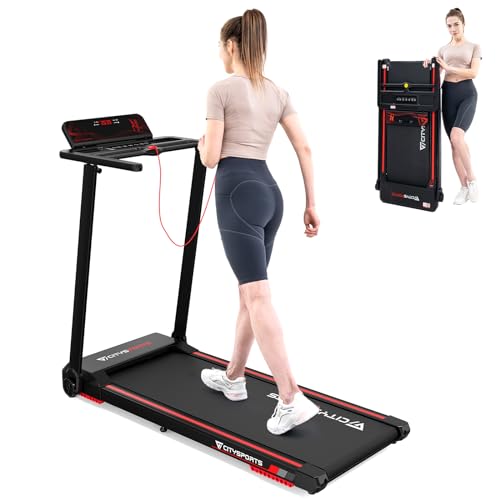
Key Features of Non-Powered Treadmills
| Feature | Description |
|---|---|
| Power Source | Manual; no electricity needed |
| User Control | Speed and strength are determined by the user |
| Portability | Often lighter and simpler to move than powered models |
| Maintenance | Generally needs less maintenance and repairs |
| Resilience | Frequently constructed with strong, lasting products |
Benefits of Non-Powered Treadmills
1. Increased Caloric Burn
Due to the fact that users should produce the movement themselves, non-powered treadmills can promote a higher caloric burn compared to motorized designs. A study highlighted that operating on a manual treadmill might burn up to 30% more calories than a powered treadmill at the very same speed.
2. Engagement of More Muscle Groups
Non-powered treadmills require users to utilize more muscle groups, including legs, core, and even upper body (to keep balance and posture). This makes for a more holistic exercise.
3. Improved Athletic Performance
For professional athletes wanting to improve their running performance, Manual Treadmills; https://Posteezy.com, use an excellent way to construct endurance and stamina. The self-propelling nature motivates greater effort, simulating outdoor running conditions.
4. Decreased Injury Risk
Manual treadmills typically have a lower impact on joints than their powered counterparts. Users can control their speed and intensity, enabling a more customized workout that reduces the danger of injury.
5. Cost-Effectiveness
Non Motorized Treadmill-powered treadmills are generally less costly than motorized variations, making them an attractive choice for budget-conscious fitness enthusiasts. Furthermore, their absence of electrical parts indicates lower functional expenses as well.
Comparing Non-Powered and Powered Treadmills
When picking between a non-powered and a powered treadmill, it is vital to weigh the benefits and drawbacks. Below is a comparison chart showing the distinctions:
| Feature | Non-Powered Treadmill | Powered Treadmill |
|---|---|---|
| Source of power | Manual | Electric |
| Caloric Burn | Greater due to Self Propelled Treadmill-propulsion | Standard |
| Upkeep | Low | Greater due to electrical parts |
| Portability | High | Frequently large and heavy |
| User Control | Completely reliant on user effort | Can set speeds and incline quickly |
| Rate | Typically lower expense | Can be rather costly |
How to Use a Non-Powered Treadmill Effectively
Getting the most out of a non-powered treadmill implies utilizing appropriate methods and workout techniques:
Warm-Up
Before beginning, it's essential to warm up. Dynamic stretches and light walking will prepare your body for the exercise ahead.
Start Slow
Begin at a comfy walking rate to get accustomed to the mechanics of the treadmill. As you develop self-confidence, gradually increase your speed.
Vary Your Workouts
Explore different exercise routines, consisting of interval training, steady-state running, or incline walking. This variety will keep workouts amazing and enhance total physical fitness.
Concentrate on Form
Keeping correct posture is essential. Keep your core engaged, shoulders relaxed, and head up. This will not just boost performance but likewise decrease the danger of injury.
Cool Down
After your exercise, require time to cool off. Gradually reduce your pace followed by static stretching to aid recovery.
Frequently Asked Questions (FAQs)
1. Are non-powered treadmills ideal for beginners?
Yes, non-powered treadmills can be appropriate for beginners as they enable users to move at their own pace and strength. Nevertheless, novices must begin gradually to adjust to the workout.
2. Just how much do Non Electric Treadmill Uk-powered treadmills cost?
Rates differ considerably, but non-powered treadmills usually vary from ₤ 200 to ₤ 800, depending upon features and brand name.
3. Can you utilize a non-powered treadmill for walking exercises?
Absolutely! Non-powered treadmills are excellent for both walking and running workouts. Users can adjust their strength based upon fitness levels.
4. Do non-powered treadmills work well for interval training?
Yes, they are ideal for interval training since users can rapidly alter their rate and slope, making workouts highly adjustable.
5. Are they loud?
Non-powered treadmills are usually quieter than powered versions, that makes them appropriate for home gym setups.
Non-powered treadmills provide a reliable and effective method to accomplish cardiovascular physical fitness while engaging several muscle groups. With the capability to burn more calories and promote athletic performance, these gadgets stand apart in a crowded physical fitness equipment market. Their cost-effectiveness, lower maintenance requirements, and viability for a vast array of users make them an attractive choice for anyone aiming to enhance their fitness regime. Similar to any equipment, appropriate use and method are necessary for making the most of benefits-- so lace up those shoes and hit the manual treadmill for a workout that really meets your requirements.












