

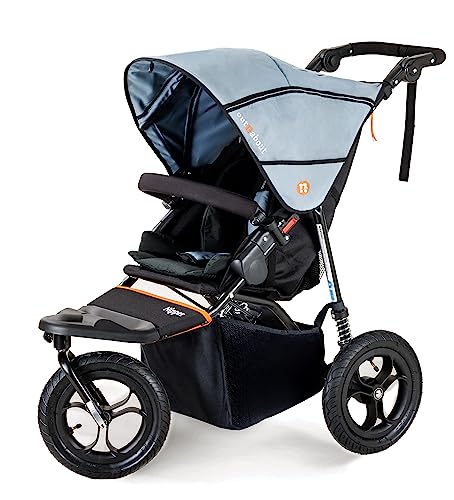
Prams and Pushchairs for Newborns: A Comprehensive Guide
Selecting the right transportation equipment for a newborn can be an overwhelming task for new parents. With a multitude of alternatives offered, from prams to pushchairs, it's vital to understand the differences, functions, and safety aspects of each. This guide intends to clarify these choices, assisting moms and dads make informed choices for their kids.
Comprehending Prams and Pushchairs
Definitions
Prams: Also called "perambulators," prams are designed for infants, using a flat, comfortable surface where the baby can lie down. They usually have a strong frame and are highly cushioned for the baby's comfort. Prams are better for newborns and extremely young infants.
Pushchairs: Often described as strollers in some regions, pushchairs are designed for slightly older babies who can sit up individually. They generally feature a seat that can be reclined and frequently have a folding mechanism for simple storage and transportation.
| Feature | Pram | Pushchair |
|---|---|---|
| Age Range | Newborn to 6 months | 6 months to young child |
| Style | Flat surface area for resting | Sitting position, recline |
| Weight | Heavier due to toughness | Normally lighter and foldable |
| Portability | Less portable | Usually more portable |
Key Features to Consider
When choosing a pram or pushchair for a newborn, think about the following features:
- Safety: Look for models with a 5-point harness, sturdy construction, and stability to prevent tipping.
- Convenience: Adequate cushioning and assistance for the baby's back and neck are essential.
- Weight: Lighter designs are easier to navigate but ensure they do not jeopardize on security.
- Portability: Foldable alternatives are perfect for travel and storage.
- Canopy: An excellent canopy will supply sunshade and security from the elements.
- Adjustable handles: This is specifically beneficial for moms and dads of various heights.
Kinds of Prams and Pushchairs
There are several types of prams and pushchairs offered, each with specific functions fit for different requirements.
Pram Types
| Type | Description | Advised Age |
|---|---|---|
| Classic Pram | Conventional design, often made from top prams (try this site) quality products. | Newborn to 6 months |
| Travel System | Consists of a safety seat that can be connected to the stroller. | Newborn to toddler |
| Compact Pram | Lightweight and quickly foldable, great for urban living. | Newborn to 6 months |
Pushchair Types
| Type | Description | Suggested Age |
|---|---|---|
| Umbrella Pushchair | Lightweight and foldable, ideal for travel. | 6 months to young child |
| All-Terrain Pushchair | Tougher design appropriate for different terrains. | 6 months to toddler |
| Jogging double pushchair | Developed for parents who delight in running or running. | 6 months to young child |
Comfort and Safety Features
- Safety Harness: Always make sure the pram or pushchair includes a 5-point harness system to keep the baby securely in location.
- Brakes: Lockable wheels and a foot-operated brake system are necessary for security.
- Suspension System: A great suspension system supplies a smoother trip, which is crucial for a newborn's convenience.
- Breathable Fabrics: Opt for breathable and easy-to-clean fabrics to maintain hygiene and convenience.
Frequently asked questions About Prams and Pushchairs
Q1: At what age can I begin using a pushchair?
A1: Most pushchairs can be utilized from around 6 months of age when the baby can stay up individually. Nevertheless, consult your product handbook for particular age and weight recommendations.
Q2: Can I use a pram for a newborn?
A2: Yes, prams are specifically developed to accommodate newborns and infants who require a flat lying position for safe transport.
Q3: What are travel systems, and are they worth it?
A3: Travel systems integrate a cars and truck seat and a pushchair, allowing for simple transition between automobile and stroller. They can be worth it for moms and dads who regularly travel by cars and truck.
Q4: How do I pick in between a pram and a pushchair?
A4: Evaluate your lifestyle needs. If you mainly require something for a newborn, select a pram. For a more flexible alternative that grows with your kid, think about a pushchair.
Q5: Are there particular safety guidelines for prams and pushchairs?
A5: Yes, most countries have security requirements (like EN 1888 in Europe) that prams and pushchairs should satisfy. Constantly check for compliance with regional policies.
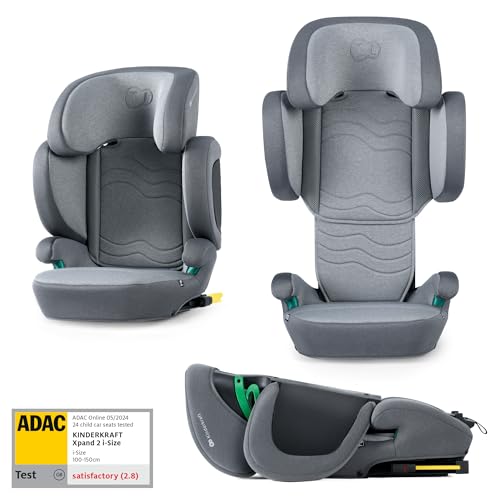
Picking the ideal pram or pushchair for a newborn is a vital decision that impacts both security and comfort. By comprehending the distinctions in between prams and pushchairs, their features, and security standards, parents can make educated options customized to their lifestyle. Whether choosing a traditional pram or a contemporary travel system, the supreme objective stays the same: guaranteeing a safe, comfy, and satisfying outing for both baby and moms and dad.
By considering the needs of both the kid and the moms and dad, households can with confidence embark on their journeys together, creating treasured memories every action of the way.












