

The Ultimate Guide to Exercise Bicycles: Fitness on Two Wheels
As physical fitness patterns continue to develop, the modest exercise bicycle remains a staple in both home exercise bike health clubs and commercial gym. Understood for its versatility and benefit, the exercise bike offers an exceptional cardiovascular exercise without the high impact associated with some other fitness devices. In this detailed guide, we will explore the advantages, types, and important features of exercise best stationary bikes for exercise, along with an FAQ section to address typical queries.
Tabulation
- Benefits of Using an Exercise Bicycle
- Kinds Of Exercise Bicycles
- A. Upright Bikes
- B. Recumbent Bikes
- C. Spin stationary bikes exercise bikes
- Important Features to Consider
- Comparing Exercise Bicycles: A Table
- Frequently Asked Questions (FAQ)
- Conclusion
1. Advantages of Using an Exercise Bicycle
Cardiovascular Health
Regular cycling assists improve cardiovascular physical fitness. Research study suggests that individuals who maintain an active lifestyle, consisting of biking, show a lower danger of heart disease.
Weight Loss
Exercise bikes are efficient for burning calories. Depending on the strength, users can burn in between 400 to 600 calories per hour, making it an outstanding option for weight management.
Joint-Friendly
Unlike running or other high-impact activities, cycling is easy on the joints. It decreases the danger of injury, making it appropriate for individuals of any ages, including those recuperating from injuries.
Convenience and Accessibility
With an exercise bicycle home exercise, users can enjoy an exercise from the convenience of their homes, despite external weather condition conditions. The ability to work out at any time improves accessibility.
Improved Mental Health
Participating in routine exercise, such as biking, can lower anxiety and anxiety symptoms. The release of endorphins throughout exercise promotes a much better mood and overall mental well-being.
2. Types of Exercise Bicycles
When picking an Exercise Bicycle; Exercisebikesonline04936.Ezblogz.Com,, it's necessary to comprehend the different types offered, as each deals with particular requirements and physical fitness objectives.
A. Upright Bikes
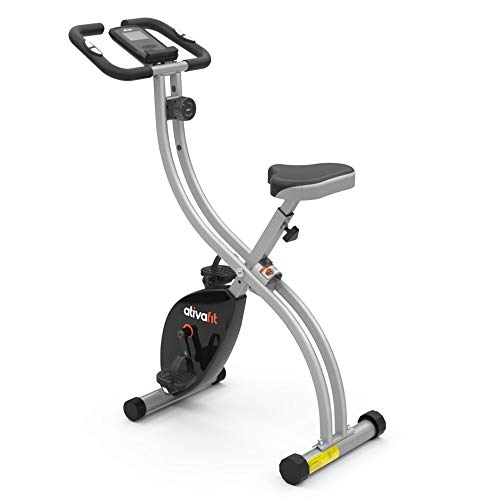
Upright bikes are the most traditional kind of exercise bikes and mimic the posture of a basic roadway bike.
Pros:
- Compact design, suitable for little areas.
- Offers a realistic cycling experience.
Cons:
- May be unpleasant for long durations due to saddle position.
B. Recumbent Bikes
These bikes feature a reclined seating position, offering back support and distributing weight uniformly across the back and butts.
Pros:
- Comfortable seating, suitable for longer sessions.
- Lower danger of discomfort and injury.
Cons:
- Takes up more area than upright bikes.
- Might not offer a sensation of an authentic biking experience.
C. Spin Bikes
Spin bikes are designed for high-intensity workouts and often feature a much heavier flywheel for a smoother ride.
Pros:
- Suitable for extreme interval training.
- Adjustable resistance levels cater to different fitness levels.
Cons:
- Can be more pricey than other types.
- May require a discovering curve for proper usage.
3. Vital Features to Consider
When buying an exercise bicycle, several functions can improve your workout experience.
| Function | Importance |
|---|---|
| Resistance Levels | Different levels provide versatility for workouts. |
| Show Monitor | Tracks time, range, calories burned, and speed. |
| Adjustable Seat | Makes sure convenience by permitting personalization. |
| Weight Capacity | Inspect to ensure the bike satisfies specific requirements. |
| Mobility | Think about integrated wheels for simple movement. |
| Bluetooth Connectivity | Syncs with physical fitness apps for tracking development. |
4. Comparing Exercise Bicycles: A Table
The following table supplies a contrast of popular exercise bicycle designs throughout different classifications:
| Model | Type | Resistance Levels | Adjustable Seat | Display Monitor | Rate Range |
|---|---|---|---|---|---|
| Peloton Bike | Spin | 20 | Yes | Yes | ₤ 1,495 - ₤ 1,745 |
| Schwinn 270 Recumbent | Recumbent | 25 | Yes | Yes | ₤ 799 - ₤ 849 |
| Sunny Health SF-B1002 | Upright | 8 | Yes | Yes | ₤ 200 - ₤ 250 |
| Nautilus U618 | Upright | 25 | Yes | Yes | ₤ 600 - ₤ 1,000 |
| Keiser M3i | Spin | Infinite | Yes | Yes | ₤ 2,495 |
5. Regularly Asked Questions (FAQ)
Q1: How typically should I utilize an exercise bicycle for weight-loss?
A: To see significant weight-loss results, go for a minimum of 150 minutes of moderate-intensity cycling each week, integrated with a well balanced diet.
Q2: Can I develop muscle using an exercise bicycle?
A: While exercise bicycles mostly promote cardiovascular physical fitness, they can help enhance leg muscles, particularly the quadriceps, hamstrings, and calves.
Q3: Is it safe for senior citizens to use exercise bikes?
A: Yes! Exercise bikes are low-impact and supply a safe method for elders to take part in physical activity. However, it's suggested to consult with a healthcare service provider before beginning any brand-new exercise routine.
Q4: What should I wear while utilizing an exercise bicycle?
A: Wear comfy, moisture-wicking clothes and appropriate shoes. Consider cycling shoes created for the specific type of bike.
Q5: How do I keep my exercise bicycle?
A: Regular maintenance consists of inspecting and tightening parts, cleaning the bike, and making sure the resistance system is operating effectively.
The exercise bicycle stays a popular choice for those seeking an effective and low-impact exercise. Its flexibility, ease of usage, and several health advantages make it a perfect addition to any fitness regimen. Whether one choose an upright, recumbent, or spin bike, understanding the important features and types can help in making an informed purchase. Ultimately, the key to reaping the advantages depends on consistency and enjoyment of the exercise routine, assuring a much healthier lifestyle on 2 wheels.












