

The Comprehensive Guide to Exercise Bikes: Choosing the Right Fit for Your Fitness Journey
Stationary bicycle have actually ended up being a staple in home health clubs and fitness studios alike. Understood for their effectiveness and adaptability, these fixed bikes supply a great cardiovascular workout appropriate for individuals of all fitness levels. As indoor biking continues to get appeal, understanding the various kinds of stationary bicycle and their advantages can help you make an informed choice. This short article looks into various elements of stationary bicycle, including the different types offered, their advantages, and ideas for picking the right one for your needs.
Types of Exercise Bikes
Stationary bicycle generally fall under 3 primary categories: upright bikes, recumbent bikes, and spinning bikes. Each type has distinct functions that deal with various physical fitness goals and user preferences.
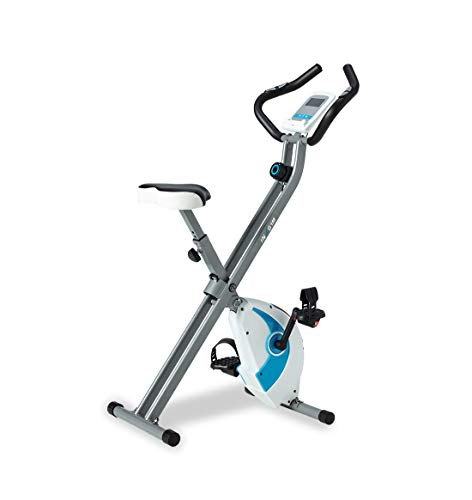
| Type of Exercise Bike | Description | Target Audience | Pros | Cons |
|---|---|---|---|---|
| Upright Bikes | Resembles a traditional bike; the rider sits in an upright position. | Suitable for basic fitness enthusiasts. | Compact, much better for standing biking, helpful for core engagement. | May be uncomfortable for longer sessions, not perfect for those with back concerns. |
| Recumbent Bikes | Features a reclined seat with back assistance; the pedals are located in front. | Great for senior citizens or those with back or joint concerns. | Comfortable, simple on joints, engages various muscle groups. | Larger footprint, minimal standing cycling capability. |
| Spinning Bikes | Particularly developed for high-intensity exercises; typically geared up with heavy flywheels. | Ideal for those looking for a high-intensity cardiovascular workout. | Mimics outside biking, terrific for group classes, adjustable resistance. | Requires more ability to balance, can be intense for beginners. |
Benefits of Exercise Bikes
A stationary bicycle provides many benefits, making it an excellent addition to any fitness regimen. Here are some crucial benefits:
Cardiovascular Health: Riding an cycle exercise home bike significantly enhances heart health, blood flow, and lung capacity. Routine biking can reduce the risk of persistent illness and enhance overall fitness levels.
Low Impact: Exercise bikes offer a low-impact exercise cycle home, putting less pressure on joints compared to other forms of cardio like running. This makes biking appropriate for individuals of any ages and physical fitness levels.
Weight loss: Consistent use of an exercise bike can cause substantial calorie burn, helping users lose weight or keep a healthy weight.
Convenience: Having a stationary bikes exercise bikes bicycle in the house provides the benefit of working out anytime, despite the weather or time of day.
Customizable Workouts: Many stationary bicycle feature adjustable resistance levels, permitting users to tailor their exercises to their fitness goals.
Choosing the Right Exercise Bike
When picking the ideal stationary bicycle, a number of factors need to be considered to guarantee it aligns with your physical fitness goals and preferences:
1. Fitness Goals
- If your main goal is weight loss or endurance, an upright or spinning bike may be more beneficial. For rehabilitation or low-impact workouts, a recumbent bike is perfect.
2. Convenience
- Think about seat convenience and adjustability. An excellent stationary bicycle should have a seat that can be quickly adapted to fit your body size.
3. Budget plan
- Exercise bikes can vary from affordable models to high-end options. Developing a spending plan will assist narrow down your choices.
4. Offered Space
- Procedure your exercise area before purchasing. Some bikes, like recumbent designs, may need more space.
5. Features
- Look for functions such as built-in workout programs, heart rate screens, and connection alternatives if you wish to track your progress digitally.
6. User Reviews
- Reading user evaluations can offer insight into the bike's reliability and efficiency.
Frequently Asked Questions (FAQ)
Q1: How numerous calories can I burn on a stationary bicycle?
A: The variety of calories burned depends on factors such as weight, intensity, and exercise period. Usually, you can burn in between 400 to 600 calories per hour biking at a moderate rate.
Q2: How typically should I utilize an exercise bike?
A: For optimum outcomes, go for at least 150 minutes of moderate aerobic activity weekly, or about 30 minutes on the majority of days.
Q3: Can exercise bikes help with muscle toning?
A: Yes, pedal exerciser (simply click the up coming post) biking primarily works the muscles of the lower body, including the quadriceps, hamstrings, calves, and glutes. Changing the resistance can enhance muscle toning.
Q4: Are there any disadvantages to utilizing an exercise bike?
A: Potential disadvantages include discomfort throughout long sessions, the risk of repetitive pressure injuries if not utilized properly, and the absence of upper body workout unless you integrate upper body language.
Q5: Do I need special shoes to utilize a spinning bike?
A: While not mandatory, cycling shoes with cleats can enhance your grip on the pedals and provide more stability and power throughout your exercise.
Stationary bicycle are a reliable and flexible addition to any physical fitness regimen. Whether you are a newbie or a knowledgeable bicyclist, there is an exercise bike appropriate for your requirements and choices. By considering your physical fitness objectives, comfort, budget plan, and readily available space, you can choose the bike that will assist you achieve your desired outcomes. With the best home exercise machine exercise cycles for sale bike in your house, you can enhance your cardiovascular health, burn calories, and delight in the convenience of cycling whenever you like.












