The Ultimate Guide to Cots: Choosing the Right One for Your Needs
Cots are necessary furnishings items that serve various purposes-- not only providing a comfortable sleeping area for babies, toddlers, and even grownups but likewise dealing with different lifestyles and living plans. Whether you are a new parent or somebody searching for a momentary sleeping service, comprehending the types, features, and considerations relating to cots can assist you make notified choices. This guide aims to provide a detailed summary of cots, their variations, features, and responses to regularly asked concerns.
Types of Cots
Cots are available in lots of styles and performances, each tailored for specific users and situations. Below are the most common kinds of cots 4 tots available in the market:
| Type of infant cot bed | Description | Best For |
|---|---|---|
| Requirement Cot | A standard cot with repaired sides, generally for babies or young children. | Nursery or toddler room |
| Folding Cot | A portable cot that can be folded for easy storage and transportation. | Travel or restricted space |
| Portable Crib | Small and light-weight crib, designed for simple travel. | Families on the go |
| Travel Cot | Multi-functional, often consisting of extra accessories for benefit. | Frequent tourists |
| Bassinet | A small, sale cot lightweight cot developed particularly for newborns. | Babies up to 6 months |
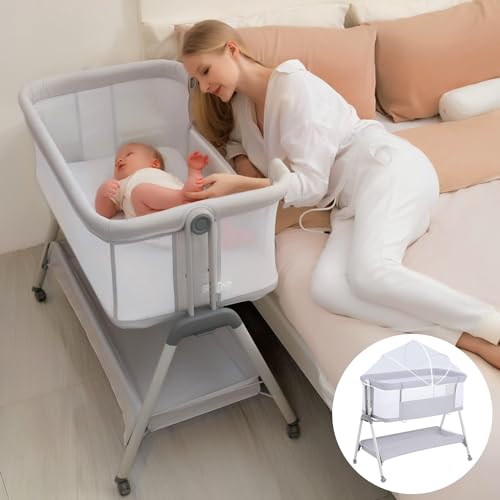
| Bedside Sleeper | A cot that connects to the side of the moms and dad's bed for simple access. | New parents wanting closeness |
| Toddler Bed | A cot created for young children transitioning from a crib to a bed. | Transitioning young children |
Each type of cot has its own advantages and functions that deal with various requirements. Understanding the differences can help you select the ideal one based on your individual requirements.
Key Features to Consider
When choosing a cot, it is important to think about different functions and specs. This guarantees not only comfort and functionality but also security for the user. The table below lists some crucial functions to think about while choosing a cot.
| Function | Description |
|---|---|
| Safety Standards | Ensure the cot fulfills security regulations, such as ASTM or EN requirements. |
| Bed mattress Quality | Opt for a firm, well-fitting mattress to support appropriate sleeping posture. |
| Adjustable Height | Some cots have adjustable mattress heights for simpler gain access to as the kid grows. |
| Portability | Light-weight or foldable styles make transport and storage simpler. |
| Product Quality | Try to find non-toxic, long lasting products that will endure everyday usage. |
| Ease of Assembly | Some cots require tool kit assembly, while others can be set up rapidly. |
| Extra Features | Look for extra options like storage under the cot, rocking functions, or connected toys. |
These functions will not just boost usability but likewise guarantee the security and comfort of the cot user, making them crucial elements to examine before making a purchase.
Cot Safety Guidelines
Security ought to always be the top priority when picking a cot, particularly for babies and toddlers. Follow these guidelines to guarantee that the picked cot is safe:
- Regular Inspection: Always examine the cot for loose screws, slats, or any possible threats.
- Appropriate Assembly: Follow the producer's directions carefully during assembly to ensure the cot is stable.
- Regard Weight Limits: Adhere to the manufacturer's suggested weight limitations to avoid mishaps.
- Positioning: Place the cot far from windows, heaters, and cords or straps that might position a strangulation danger.
- Bed mattress Fit: Ensure the bed mattress fits comfortably without any gaps to avoid the child from getting stuck.
- Bed linen: Use a fitted sheet and prevent pillows, blankets, or toys that could suffocate the baby.
Executing these safety procedures can considerably reduce the danger of mishaps and guarantee a safe sleeping environment.
Frequently Asked Questions (FAQ)
1. What age is appropriate for transitioning from a baby crib to a cot?
Many children transition from a Baby Sleep Consultant crib to a cot in between 18 months and 3 years of ages. However, the timing might differ based upon the kid's size, behavior, and specific requirements.
2. How can I choose the right mattress for my cot?
Search for a dense, firm mattress that fits comfortably versus the cot sides. It needs to not leave any gaps and must be made from non-toxic products.
3. Are portable cots safe for long-lasting use?
Portable cots are created for temporary sleeping plans and travel. They should not replace a conventional cot for long-lasting everyday use, particularly for infants.
4. How do I clean a cot?
Most cots have removable fabrics that can be machine washed. For difficult surfaces, a mild cleanser and damp fabric are normally enough.
5. What is the life-span of a cot?
Cots generally last for a number of years, often up until the child has to do with 3-4 years of ages. Nevertheless, its lifespan can differ based upon the brand, material quality, and how well it is kept.
6. What should I look for in a travel cot?
Think about portability, ease of setup, security functions, and storage options when picking a travel cot. Also, guarantee it fulfills safety guidelines.
Cots play an essential function in modern-day way of lives, offering safe and comfortable sleeping options throughout various age and living arrangements. Comprehending the ranges, features, and safety standards surrounding cots can empower purchasers to make informed decisions and eventually enhance the sleeping experience for babies, young children, or perhaps adults. Investing time into picking the proper cot is necessary, as it cultivates not only convenience however also peace of mind for caregivers and loved ones. With this guide as a referral, people can confidently browse the world of cots and make choices that best infant cribs fit their unique requirements.