

The Ultimate Guide to Pushchairs and Prams: Making the Right Choice for Your Family
With the arrival of a new baby, parents are often overwhelmed by the myriad of choices they face, particularly when it concerns picking the ideal pushchair or pram. Comprehending the different types, features, and considerations can help make this essential choice simpler. This guide will delve into the key differences in between pushchairs and prams for sale, their various usages, and vital features to look for. It will also respond to typical concerns parents might have, supported by tables for a clearer contrast.
Understanding Pushchairs and Prams
Before making a purchase, it's vital to differentiate in between a pushchair and a pram:
Pushchair
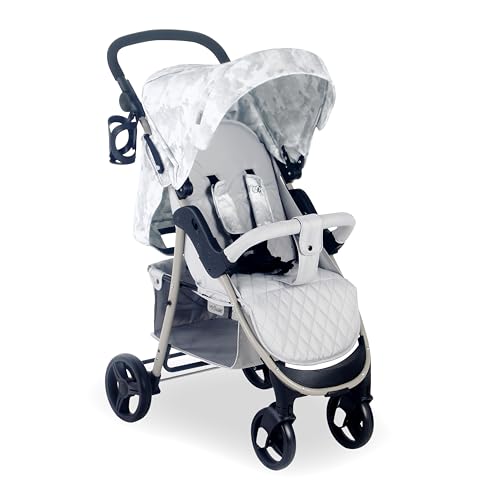
A pushchair, likewise referred to as a stroller, is a flexible piece of devices designed for older infants and toddlers. Pushchairs are usually light-weight, simpler to steer, and typically included features such as adjustable manages and reclining seats.
Pram
On the other hand, a pram is developed mostly for newborns and younger infants. It has a flat, lie-down position that supports a baby's spinal column and permits comfortable naps. sale prams (gitea.primecontrols-dev.com) generally have a more conventional design and are bulkier compared to pushchairs.
| Feature | Pushchair | Pram |
|---|---|---|
| Age Suitability | From about 6 months onwards | Newborn to around 6 months |
| Seat Position | Upright, reclining | Flat, lie-flat position |
| Weight | Generally lighter and more compact | Often heavier and bulkier |
| Maneuverability | Easier to navigate | Generally more stable |
| Storage Space | Generally has additional storage | May have limited storage |
Kinds of Pushchairs and Prams
When it concerns alternatives, there are different styles of pushchairs and cheap prams offered for moms and dads to pick from:
1. Standard Prams
- Suitable for newborns.
- Feature a totally flat and roomy sleeping location.
- Often included a vintage style.
2. Travel Systems
- Mixes of vehicle seat and pushchair.
- Enables easy transitioning from car to pushchair.
- Flexible and practical for parents on the go.
3. Umbrella Strollers
- Light-weight and compact.
- Easy to fold and carry, making them perfect for travel.
- Frequently less durable, suitable for older babies who can sit upright.
4. All-Terrain Pushchairs
- Created for varied surfaces, such as parks or uneven pathways.
- Function big wheels for much better maneuverability.
- Usually bulkier but excellent for daring households.
5. Double Strollers
- Suitable for households with twins or 2 children of various ages.
- Can be side-by-side or tandem.
- Deals different setups for convenience and benefit.
6. Jogging Strollers
- Designed for active parents who wish to run or jog with their kid.
- Features bigger wheels and a tough frame for stability during motion.
- Must be utilized with caution for safety.
Key Features to Consider
Choosing the right pushchair or pram involves comprehending the essential functions that will improve the experience for both the moms and dad and the child. Here are some crucial aspects to think about:
1. Safety
- Harness System: Ensure that the pushchair or pram has a secure harness system-- ideally, a five-point harness for included security.
- Braking System: Look for a reputable braking system that can be easily activated by the moms and dad.
2. Comfort
- Cushioned Seat: A well-padded seat will ensure that the baby is comfy throughout rides.
- Reclining Feature: The capability to recline is important for more youthful babies who may need to lie flat.
3. Maneuverability
- Swivel Wheels: Swiveling front wheels can make it easier to navigate congested areas.
- Suspension: Good suspension help in keeping the ride smooth over various surfaces.
4. Size and Weight
- Weight: A lightweight frame can make it easier for parents to raise and bring.
- Foldability: Consider how simple it is to fold and save the pushchair or pram.
5. Storage
- Basket Space: Ample storage below the seat can accommodate diaper bags and shopping.
- Extra Pockets: Look for models with pockets for easy access to basics like keys and phone.
6. Longevity
- Weight Limit: Check the manufacturer's weight limitation to ensure that the pushchair or pram will last as your child grows.
- Adaptability: Some models can adjust from a pram to a pushchair or accommodate a 2nd seat for siblings.
FREQUENTLY ASKED QUESTION: Common Questions About Pushchairs and Prams
1. What is the difference in between a pushchair and a stroller?
A pushchair is usually a light-weight alternative for older infants and toddlers, while a stroller is a wider term that can incorporate numerous styles, including those for babies.
2. Can I utilize a pushchair for a newborn?
Usually, pushchairs appropriate for babies aged 6 months and older. Nevertheless, some travel systems include baby safety seat that can be connected for newborns.
3. How do I tidy my pushchair or pram?
Many pushchairs and prams double come with removable, machine-washable fabric covers. Regularly clean down the frame and wheels to keep it tidy.
4. Exist any security policies I should try to find?
Guarantee that the pushchair or pram meets safety requirements set by your country. Try to find accreditations or labels from regulative bodies.
5. How much should I anticipate to invest in a quality pushchair or pram?
Prices can vary extensively-- standard designs may start around ₤ 100, while high-end models can go beyond ₤ 1,000. Consider your budget plan and desired functions.
Selecting the ideal pushchair or pram is a necessary task for brand-new moms and dads. While the alternatives might seem frustrating, comprehending the differences and specific features will make it simpler to pick the very best pushchair fit for your family's lifestyle. Whether you prioritize portability, convenience, or security, making the effort to choose sensibly can boost your parenting journey. Remember, purchasing a quality pushchair or pram is purchasing convenience and convenience for both you and your kid.












