

Choosing the Right Cot for Your Baby: A Comprehensive Guide
Welcoming a brand-new baby into the family is a joyous event filled with enjoyment and new duties. One of the very first crucial decisions parents face is picking the right cot for their kid. A cot not just supplies a safe sleeping environment but likewise contributes to the total well-being and development of the baby. In this article, we will check out different aspects of choosing the ideal cot, including types, safety features, and upkeep ideas, to guide moms and dads through this important choice.
Tabulation
- Types of Cots
- Fixed Side Cots
- Drop Side Cots
- Portable Cots
- Cribs
- Safety Features to Consider
- Standards and Regulations
- Bed Mattress Size and Fit
- Bed rails and Slats
- Picking the Right Material
- Upkeep and Care Tips
- FAQs
- Conclusion
1. Kinds of Cots
When it concerns picking a cot, moms and dads have numerous alternatives to consider. Here is a breakdown of the most common types:
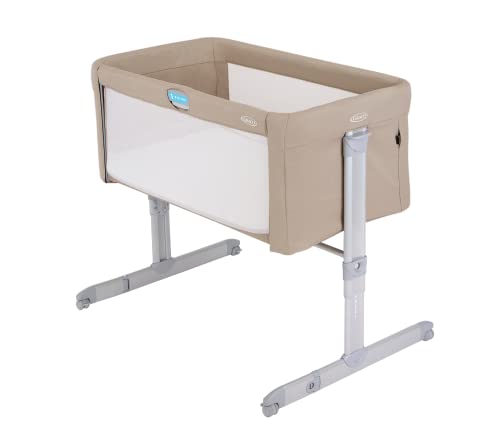
| Type of Cot | Description | Pros | Cons |
|---|---|---|---|
| Fixed Side cots offers | This type has sides that do not move, making it strong and safe. | Stability, lasting | Minimal ease of access for moms and dads |
| Drop Side Cots | These have one side that can be reduced for simple access to the baby. | Easier for moms and dads to raise baby in/out | Prospective safety issues if not utilized properly |
| Portable Cots | Light-weight and collapsible for easy travel and storage. | Convenient for travel | May not be as tough as standard cots |
| Cribs | Usually larger and can accommodate a toddler as well. | Dual-purpose (infant to young child) | Takes up more space |
Fixed Side Cots are typically recommended cribs for security, as they offer a steady sleeping environment. On the other hand, Drop Side Cots, while convenient, might posture security threats if they are not correctly secured. Portable Cots are ideal for households that take a trip regularly, whereas conventional Cribs deal flexibility for growing children.
2. Safety Features to Consider
Safety is a leading concern when selecting a cot. Here are essential features to remember:
Standards and Regulations
Before acquiring, ensure that the cot fulfills local safety requirements set by companies such as the American Society for Testing and Materials (ASTM) or the Consumer Product Safety Commission (CPSC). Search for certification labels that suggest compliance.
Mattress Size and Fit
Always utilize a mattress that fits comfortably in the cot without leaving gaps that might present a suffocation risk. The mattress ought to be firm, as soft mattresses can increase the threat of Sudden Infant Death Syndrome (SIDS).
Bed rails and Slats
nursery cots must have slats spaced no more than 2-3 inches apart to avoid the baby's head from getting stuck. The top rail ought to be at least 26 inches above the bed mattress when the cot is in its least expensive position to prevent the baby from climbing out.
3. Choosing the Right Material
The products utilized in the cot also play a vital function in security tots and cots resilience. Here are some typical materials:
| Material | Description | Pros | Cons |
|---|---|---|---|
| Solid Wood | Durable and sturdy; frequently a sustainable option. | Long-lasting, aesthetically pleasing | Much heavier and more expensive |
| MDF (Medium Density Fiberboard) | Engineered wood; typically used in affordable options. | Economical, excellent finishes | Less resilient than strong wood |
| Metal | Lightweight and simple to tidy; typically used in portable cots. | Tough, modern-day design | Can be cold to touch, scratch-prone |
Strong wood cots tend to be more resilient and can stand up to the wear and tear of day-to-day use. However, they are generally costlier compared to other materials. On the other hand, MDF can be an affordable option for brand-new moms and dads, however it may not last as long.
4. Maintenance and Care Tips
A cot must be correctly preserved to guarantee security and longevity. Here are some suggestions:
- Regular Inspection: Frequently inspect the cot for loose screws, damaged slats, or any wear and tear.
- Tidiness: Use a mild soap solution to clean the cot regularly, preventing harsh chemicals that may be hazardous.
- Storage: If the cot is not in usage, shop it in a dry place to prevent mold and decay.
- Mattress Care: Rotate the mattress frequently and guarantee it is constantly dry to prevent mold development.
5. FAQs
1. What age is suitable for a cot?
A lot of infants can begin using a cot from birth till they reach about two years, or when they can climb out.
2. Should I buy a brand-new small cot beds or a pre-owned one?
It is usually much safer to buy a new cot to ensure it satisfies present safety requirements. If thinking about a pre-owned cot, make sure that it meets security guidelines and has not been associated with any recalls.
3. How can I shift my baby from a cot to a bed?
Transitioning normally happens when your kid is around 2-3 years old. Ensure the brand-new bed is low to the ground and usage guardrails to avoid falls.
4. Can I utilize a cot for a toddler?
Some cots can convert into young child beds, extending their use. Always examine the maker's directions.
5. Is a mattress pad essential for a cot?
A fitted sheet is enough on a firm bed mattress; avoid using thick pads or soft bed linen, as they can present safety threats.
Choosing the Best crib cot is a considerable decision that affects your baby's security, convenience, and sleep quality. By understanding the various kinds of cots, security requirements, and maintenance requirements, parents can make an informed option that fulfills their family's needs. Remember that a cot is more than simply a piece of furnishings; it's a sanctuary for your baby, offering them with the convenience and security they require as they grow. Whether going with a strong set side cot or a portable alternative for travel, the right option can set the structure for healthy sleep habits in the years to come.












