

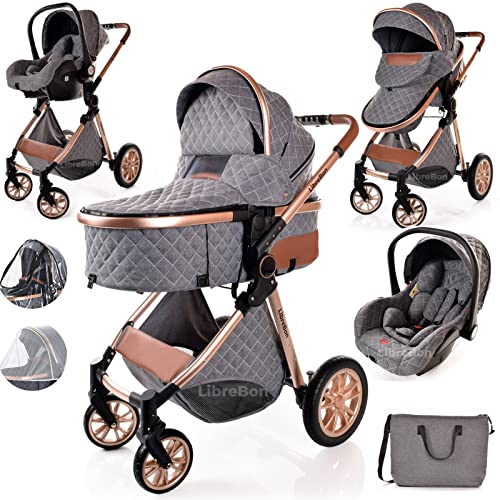
A Comprehensive Guide to Prams and Pushchairs in the UK
When it concerns inviting a brand-new member to the household, the best gear can make a world of difference. For brand-new parents in the UK, picking in between a pram and a pushchair can be a challenging task. This useful guide will stroll you through the differences in between prams and pushchairs, the various types readily available, key functions to think about, and a useful FAQ area to answer typical inquiries.
Understanding Prams and Pushchairs
Prams
sale prams (Highly recommended Online site), typically described as "baby carriages," are developed mostly for infants. They normally include a flat, reclining seat that permits newborns to lie down in a comfortable position. This makes them suitable for babies from birth up until they reach around six months when they can sit upright.
Pushchairs
Pushchairs, on the other hand, are more flexible and are created for somewhat older babies and toddlers. They typically have a more upright seating position and are planned for kids who can sit up by themselves. Pushchairs often come with extra features like adjustable seats and canopies, making them ideal for different parenting needs.
| Feature | Prams | Pushchairs |
|---|---|---|
| Age Range | Newborn to 6 months | 6 months to toddler |
| Seating Position | Totally reclining | Upright |
| Portability | Normally heavier | Generally lighter |
| Weight Limit | Varies (as much as 15 kg) | Varies (as much as 25 kg) |
| Accessories | Limited | More adjustable |
Types of Prams and Pushchairs
When searching for prams and pushchairs, it's necessary to comprehend the different types readily available:
1. Requirement Prams/Pushchairs:
- Description: Basic designs often feature rear-facing or forward-facing seats. They are a fantastic choice for parents who desire something basic and practical.
- Perfect For: Families looking for an economical choice for day-to-day usage.
2. Travel Systems:
- Description: A mix of an automobile seat and a pushchair, often sold as a bundle. Travel systems allow easy shift from vehicle to pram without disrupting the baby.
- Suitable For: Parents who frequently travel or need a versatile, all-in-one solution.
3. Convertible Prams/Pushchairs:
- Description: These models can convert from a double pram and pushchair for infants to a pushchair for older children. They normally enable various setups.
- Ideal For: Growing households wanting a long-lasting investment.
4. Umbrella Strollers:
- Description: Lightweight and compact pushchairs that can be folded easily. No frills however highly portable.
- Ideal For: Parents on the go searching for a practical option for fast trips.
5. All-Terrain Strollers:
- Description: Strollers designed for rough terrain, often featuring big wheels and durable frames.
- Suitable For: Active families who delight in outdoor adventures and need a robust stroller.
| Type | Pros | Cons |
|---|---|---|
| Standard | Budget friendly, practical | Less functions, may not be as flexible |
| Travel System | Convenient, no need to wake the baby | Can be bulkier |
| Convertible | Long-term investment, versatile | Usually pricier |
| Umbrella Stroller | Lightweight, highly portable | Restricted functions and convenience |
| All-Terrain Stroller | Great for outdoors, durable | Can be much heavier and costlier |
Secret Features to Consider
Picking the right pram or pushchair includes evaluating numerous crucial elements:
1. Security Features:
- Look for 5-point harness systems, trusted brakes, and sturdy frames. Constantly inspect safety certifications.
2. Convenience:
- A padded seat, adjustable canopy, and suspension systems can enhance your baby's convenience throughout walks.
3. Reduce of Use:
- Consider the weight, folding mechanism, and maneuverability of the pram or pushchair. Features like swivel wheels make navigation easier.
4. Storage Space:
- Check for under-seat storage baskets and extra compartments for bring essentials like diapers, treats, and toys.
5. Longevity:
- Look for designs that can adapt as your child grows or that can be utilized for several children in the household.
Frequently asked questions About Prams and Pushchairs
1. What is the distinction in between a pram and a twin pushchair?
prams and strollers are designed for newborns with a flat, reclining seat, while pushchairs are planned for older babies and young children with an upright seating position.
2. When should I shift from a pram sale to a pushchair?
A lot of parents transition when their baby can stay up by themselves, generally around six months of age.
3. Are travel systems worth the financial investment?
Travel systems can be easier if you drive frequently, as they enable simple transitions in between the cars and truck and stroller.
4. What is the very best pushchairs kind of stroller for city living?
A lightweight umbrella stroller or a compact travel system might be best for browsing hectic streets and public transportation.
5. How do I maintain my pram or pushchair?
Frequently look for any loose parts, clean the fabric and wheels, and shop it in a dry place to prolong its life-span.
Selecting the right pram or pushchair is an essential job for new moms and dads, and comprehending the distinctions can significantly influence your choice. With various types available, detailed features, and security factors to consider, moms and dads can with confidence choose a model that fits their lifestyle and fulfills their baby's needs. Whether it's a classic pram for a newborn or a multi-functional pushchair for an active toddler, investing in a quality item can make sure countless satisfying trips with your kid. Happy walking!










