The Ultimate Guide to Exercise Bikes: Benefits, Types, and FAQs
In the last few years, exercise bike for sale bikes have surged in popularity as a staple of home physical fitness equipment. With the rise of remote working and a growing focus on health and health, numerous individuals are seeking effective ways to integrate exercise home cycle (Recommended Web page) into their everyday regimens. This article provides an in-depth take a look at stationary bicycle, including their advantages, different types, and responses to frequently asked concerns.
Table of Contents
- Intro
- Advantages of Exercise Bikes
- Types of Exercise Bikes
- 3.1 Upright Bikes
- 3.2 Recumbent Bikes
- 3.3 Spin Bikes
- 3.4 Folding Bikes
- Comparison Table of Bike Types
- Tips for Choosing the Right Exercise Bike
- FAQs
- Conclusion
1. Intro
Stationary bicycle are not just a hassle-free alternative for staying active; they are also highly versatile, accommodating numerous physical fitness levels and objectives. Whether one is wanting to shed pounds, construct cardiovascular endurance, or fix up an injury, exercise bikes can offer a solution. As a low-impact cardiovascular exercise option, they are ideal for riders of any ages. In this guide, we'll explore the many benefits of stationary bicycle, the different types offered, and tips for choosing the perfect fit.
2. Advantages of Exercise Bikes
Cardiovascular Health
Riding an exercise bike enhances cardiovascular physical fitness by increasing heart rate and lung capacity. Routine cycling contributes to a healthier heart, reducing the risk of heart problem.
Weight reduction
An effective tool for weight management, moderate to intense biking can burn substantial calories. Depending on the strength, one can burn anywhere from 400 to 800 calories per hour.
Low Impact Workout
exercise equipment bikes provide a low-impact workout that is easier on the joints than running or other high-impact exercises, making them well-suited for individuals with joint problems or those recuperating from injuries.
Convenience
With an exercise bike in the house, users can work out anytime without stressing over climate condition or fitness center hours, making fitness more accessible.
Versatility
A lot of stationary bicycle feature a variety of workout programs and resistance levels, permitting users to personalize their workout to fit their individual fitness objectives.
3. Types of Exercise Bikes
When thinking about an exercise bike, it's necessary to understand the numerous types available, as each serves different physical fitness needs.
3.1 Upright Bikes
Upright bikes are similar in design to standard bicycles, with riders sitting in an upright position. They engage core muscles and offer a comprehensive cardiovascular workout.
3.2 Recumbent Bikes
Recumbent bikes feature a bigger seat and back-rest, permitting for a more relaxed position. This design disperses weight evenly and lowers pressure on the back and joints, making them perfect for older grownups or those with pain in their lower body.
3.3 Spin Bikes
Spin bikes are developed for high-intensity indoor biking sessions. They generally have a much heavier flywheel and adjustable resistance, making them a popular choice for those aiming to reproduce a biking class experience at home.
3.4 Folding Bikes
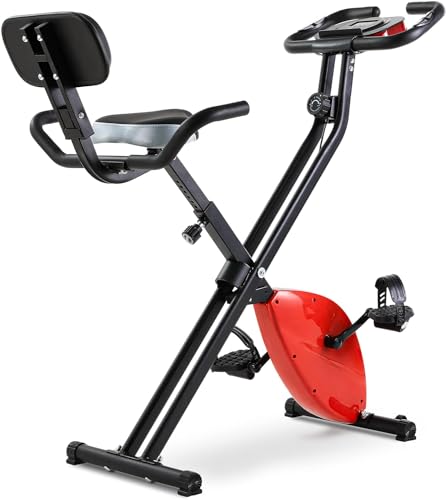
For those with restricted space, folding bikes use a compact solution. They can be quickly saved away when not in usage, making them an exceptional choice for apartment or condos or homes without devoted workout area.
4. Comparison Table of Bike Types
| Bike Type | Position | Suitable For | Secret Features | Rate Range |
|---|---|---|---|---|
| Upright Bike | Upright | Cardiovascular fitness | Adjustable seat, lightweight design | ₤ 200 - ₤ 600 |
| Recumbent Bike | Reclined | Joint problems, older grownups | Larger seat, backrest, low impact | ₤ 300 - ₤ 1,000 |
| Spin Bike | Upright | High-intensity training | Heavy flywheel, digital tracking choices | ₤ 300 - ₤ 2,000 |
| Folding Bike | Upright | Minimal spaces | Compact style, easy storage | ₤ 150 - ₤ 600 |
5. Tips for Choosing the Right Exercise Bike
When choosing the perfect stationary bicycle, consider these factors:
- Purpose: Define your main fitness objectives-- weight loss, endurance training, or rehabilitation.
- Area: Determine where the bike will be put and determine the offered area.
- Comfort: Test the seat and handlebar height; ensure they can be changed for optimal convenience.
- Features: Decide on desirable functions, such as heart rate screens, built-in exercises, or connectivity options.
- Spending plan: Set a budget and compare alternatives within that range to discover the very best value for your requirements.
6. Frequently asked questions
Q1: How long should I ride an exercise bike each day?
A1: Aim for at least 150 minutes of moderate-intensity aerobic activity each week, which translates to about 30 minutes five times a week. Novices should begin with much shorter sessions and gradually increase as fitness improves.
Q2: Do stationary bicycle assist construct muscle?
A2: While primarily a cardio exercise, cycling can help tone and enhance the legs, particularly when using higher resistance settings.
Q3: Are stationary bicycle appropriate for seniors?
A3: Yes, lots of seniors gain from utilizing exercise bikes due to their low-impact nature, particularly recumbent bikes, which use convenience and support.
Q4: How do I maintain my stationary bicycle?
A4: Regularly examine and clean your bike, tighten up loose bolts, and lubricate moving parts to ensure optimal efficiency.
7. Conclusion
Exercise bikes present a wonderful opportunity for individuals to enhance their fitness levels easily and successfully. With various types readily available, there is a stationary bicycle suited for everyone, despite their fitness objectives or space constraints. By thinking about the benefits, understanding the types, and following helpful tips, users can make educated decisions that align with their needs. Whether aiming to slim down, build endurance, or just stay healthy, incorporating an exercise bike into an everyday routine can make a significant distinction. Embrace the trip and pedal your way to better health!