

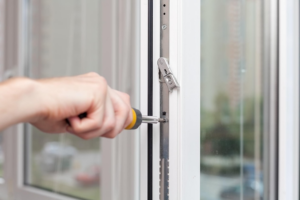
Fixing Window Locks: A Step-by-Step Guide
Windows offer ventilation, natural light, and a view of the outside world, but they likewise act as an essential entry point for prospective trespassers. A properly working window lock is vital for maintaining home security. Whether you're dealing with a broken lock or merely want to improve the security of your windows, this detailed guide will walk you through the procedure of repairing window locks.
Understanding Window Lock Types
Before diving into repair work, it's crucial to understand the various kinds of window locks. Below is a table summarizing typical types:
| Lock Type | Description | Best for |
|---|---|---|
| Moving Window Lock | A lock that secures the sliding window in location. | Horizontal sliding windows |
| Sash Lock | A bolt mechanism that locks double-hung windows. | Vertical moving windows |
| Keyed Lock | A locking system needing a key to unlock. | Casement and awning windows |
| Pin Lock | An easy locking pin placed to secure windows. | Any kind of window |
| Thumb Turn Lock | A lock that can be easily opened with a thumb turn mechanism. | Casement and awning windows |
Typical Problems with Window Locks
Comprehending typical issues can help house owners repair before employing a professional. Some frequent problems consist of:
- Stuck or Jammed Locks: This can occur from corrosion or dirt buildup.
- Broken Lock Mechanism: The internal components might wear due to routine use or bad quality.
- Misalignment: The window or lock may not align appropriately, preventing safe and secure locking.
- Rust or Corrosion: Metal locks can rust, specifically in damp climates.
- Lost Keys: A simple yet frustrating problem that needs replacement locks.
Tools and Materials Needed
Before starting any repair work, collect the necessary tools and materials:
Tools:
- Screwdriver (flathead and Phillips)
- Pliers
- Lubricant (like WD-40)
- Cleaning fabric
- Replacement parts (if required)
Materials:
- New window lock inspection lock (if the old one is broken)
- Screws (if replacements are required)
Step-by-Step Instructions for Fixing Window Locks
1. Evaluate the Problem
Before attempting any repair work, determine the precise problem with the window lock. Examine the lock and its system closely to identify whether it's rusted, broken, or misaligned.
2. Clean the Lock Mechanism
Often, all a lock needs is a great cleansing. Utilize a cloth to get rid of dust and grime, then use a lubricant to the moving parts:
- Spray the lube into the lock mechanism.
- Move the lock backward and forward to ensure the lube permeates.
3. Repair Misalignment
If the window lock is misaligned, it may need to be changed. To do this:
- Open the window lock experts and inspect the positioning of the lock and the matching latch.
- If needed, loosen the screws of the cheap lock repair to rearrange it.
- Tighten up the screws firmly when the lock is properly lined up.
4. Replace the Lock
If the lock is harmed beyond repair, a replacement is essential. Follow these actions:
Remove the Old Lock:
- Use a screwdriver to get rid of screws holding the old lock in place.
- Secure the lock and thoroughly detach any internal elements.
Set Up the New Lock:
- Align the new lock with the existing holes.
- Protect it using screws, ensuring it is tightened effectively.
5. Evaluate the Lock
After setup or repair, test the lock numerous times to ensure it works efficiently. Inspect that it engages and disengages without any resistance.
6. Maintain Your Locks Regularly
To prevent future issues, establish a routine upkeep regimen:
- Lubricate locks every couple of months.
- Check for rust or damage at least when a year.
- Tidy any debris that can interfere with the lock's system.
Regularly Asked Questions (FAQ)
1. How do I understand if my window lock needs replacement?
If the lock is hard to operate, broken, or showing indications of significant wear and rust, it may be time for a replacement.
2. Can I fix a window lock myself?
Yes, a lot of window lock repairs can be done at home with basic tools and products. However, if you are uncomfortable with DIY repair work, think about working with an expert.
3. Should I change all my window locks at the same time?
Not necessarily. If just a couple of locks are malfunctioning, you can replace them as required. Nevertheless, for security reasons, think about changing locks routinely as a preventive measure.
4. What type of lock is most secure?
Keyed locks normally offer more security than non-keyed alternatives because they require a crucial to unlock, making them harder to bypass.
5. How can I prevent window locks from rusting?
To avoid rust, routinely tidy and lubricate your locks, and consider utilizing rust-resistant products for replacements.
fixing window locks (simply click the up coming post) is an essential home maintenance task that makes sure security and performance. By comprehending the parts and procedures included, property owners can deal with repair work with confidence and keep a safe living environment. Regular upkeep and proper cleansing can extend the life of window locks, offering peace of mind for several years to come. With the right tools and knowledge, guaranteeing your windows are safe does not need to be a complicated job!












